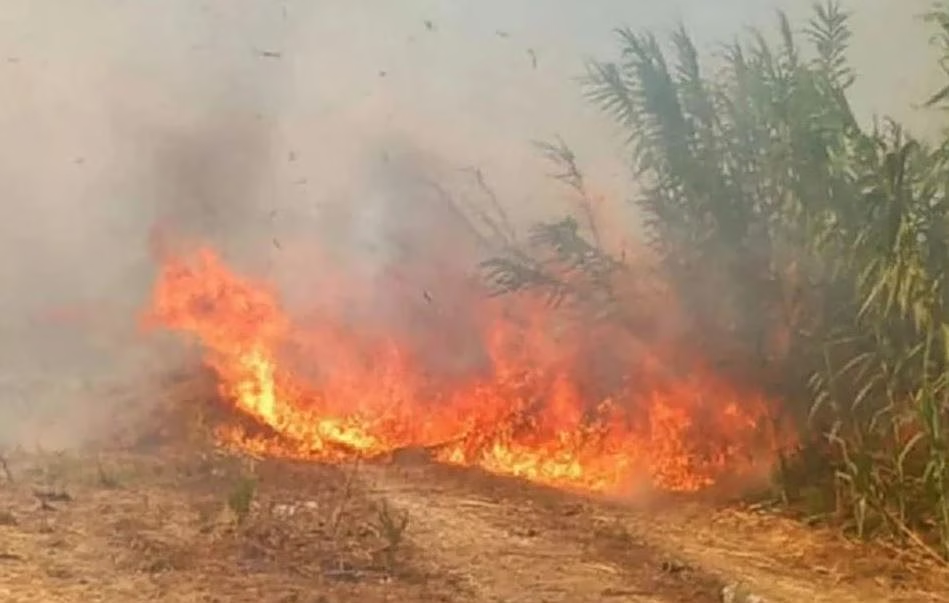
Fire Ignites in Rural Area of Elassona
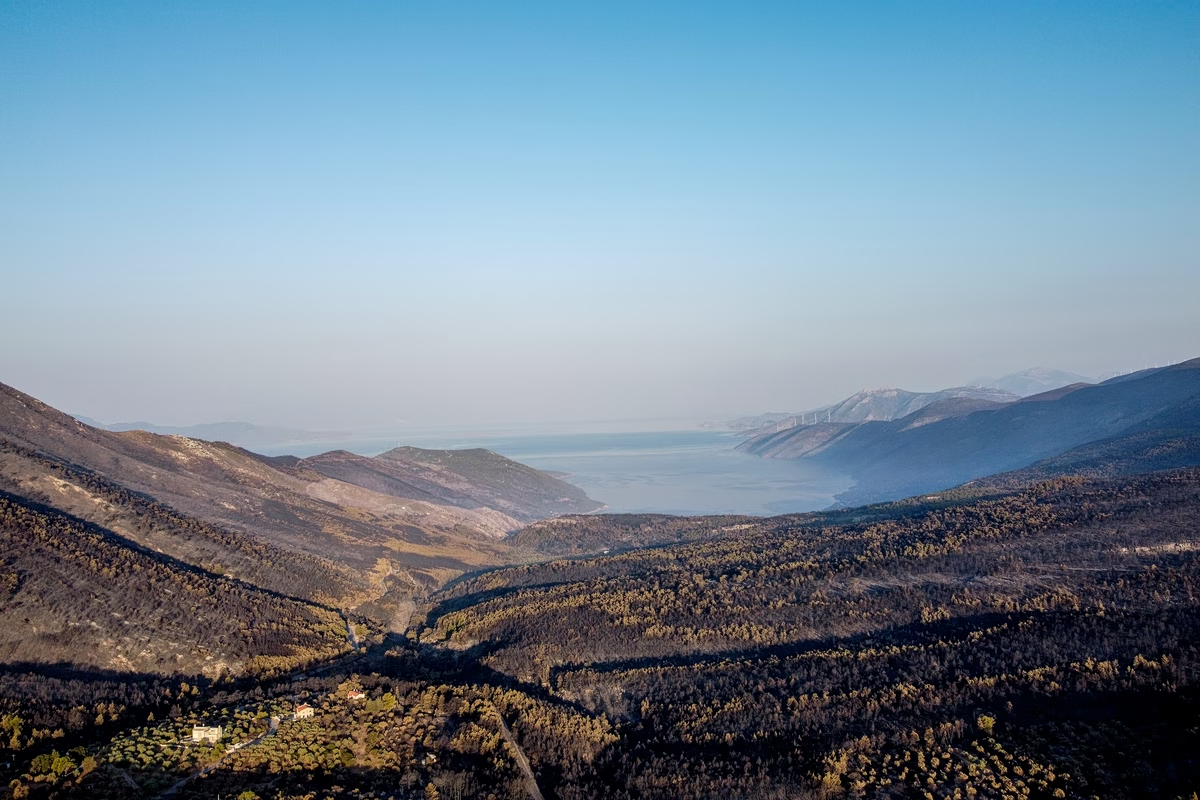
A wildfire broke out in an agricultural zone near the village of Giannota in the Elassona municipality, part of the Larissa regional unit in central Greece, on Saturday, August 23, 2026. The Fire Service's Operations Center received notification of the incident at approximately 3:15 p.m. local time, triggering an immediate and substantial emergency response from both professional firefighting crews and volunteer forces.
Authorities were quick to emphasize that the fire had ignited in open rural terrain, at a considerable distance from any residential buildings or critical infrastructure, which helped prevent immediate danger to local communities. Despite this, the scale of the response reflected the seriousness with which fire services treated the developing situation, particularly given the elevated fire risk conditions recorded in the area on that day.
Large-Scale Ground and Aerial Operation Mobilized
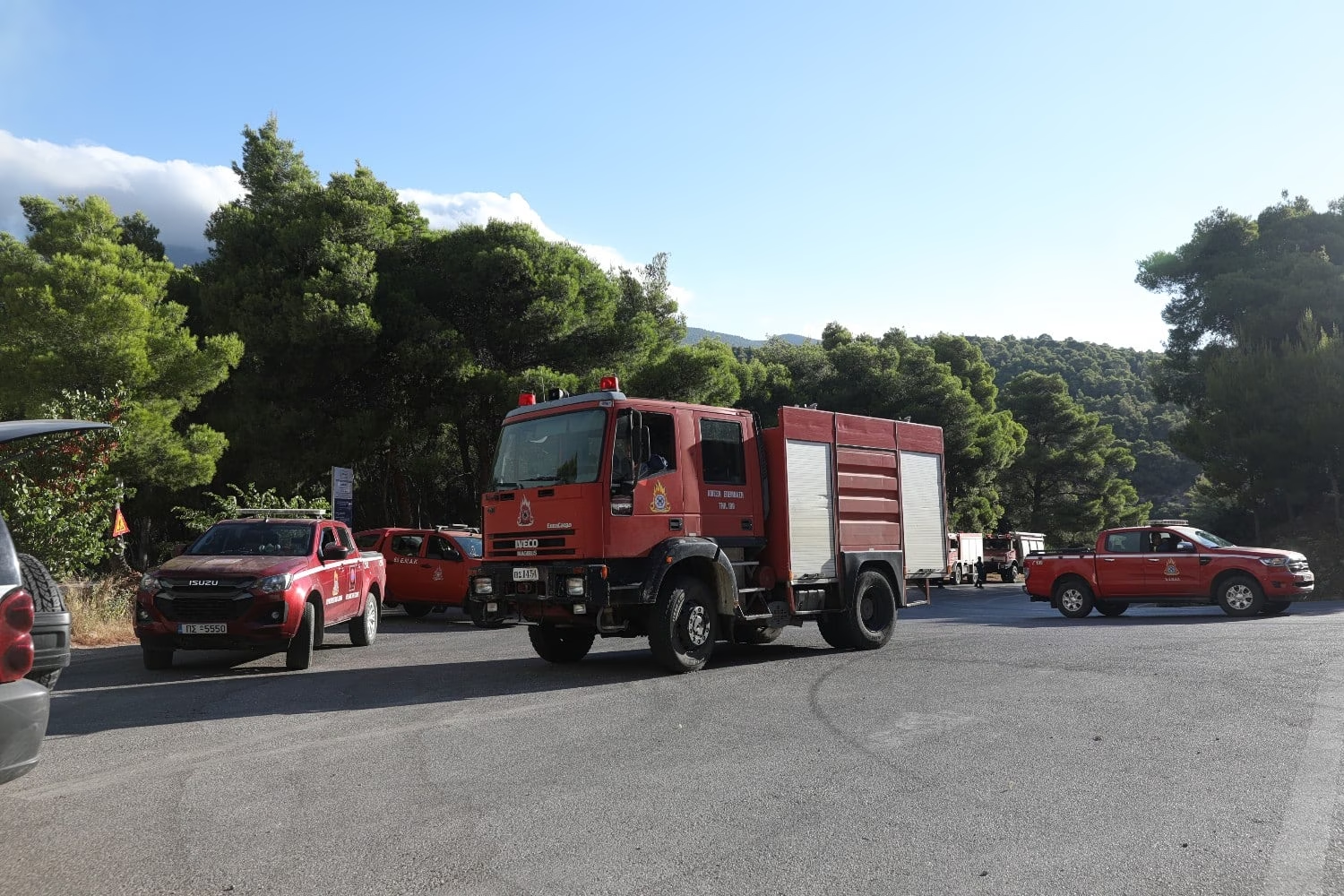
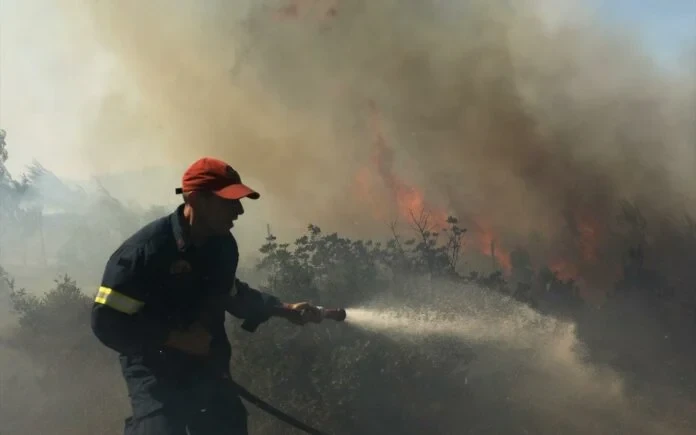
The firefighting operation that unfolded in Giannota involved a significant concentration of both human and mechanical resources. A total of 56 firefighters were deployed to the scene, working in coordination with three on-foot patrol teams from the 10th EMODE (Special Disaster Response Unit). Volunteers also participated alongside the professional crews, and 13 firefighting vehicles were brought into service to assist with containment efforts on the ground.
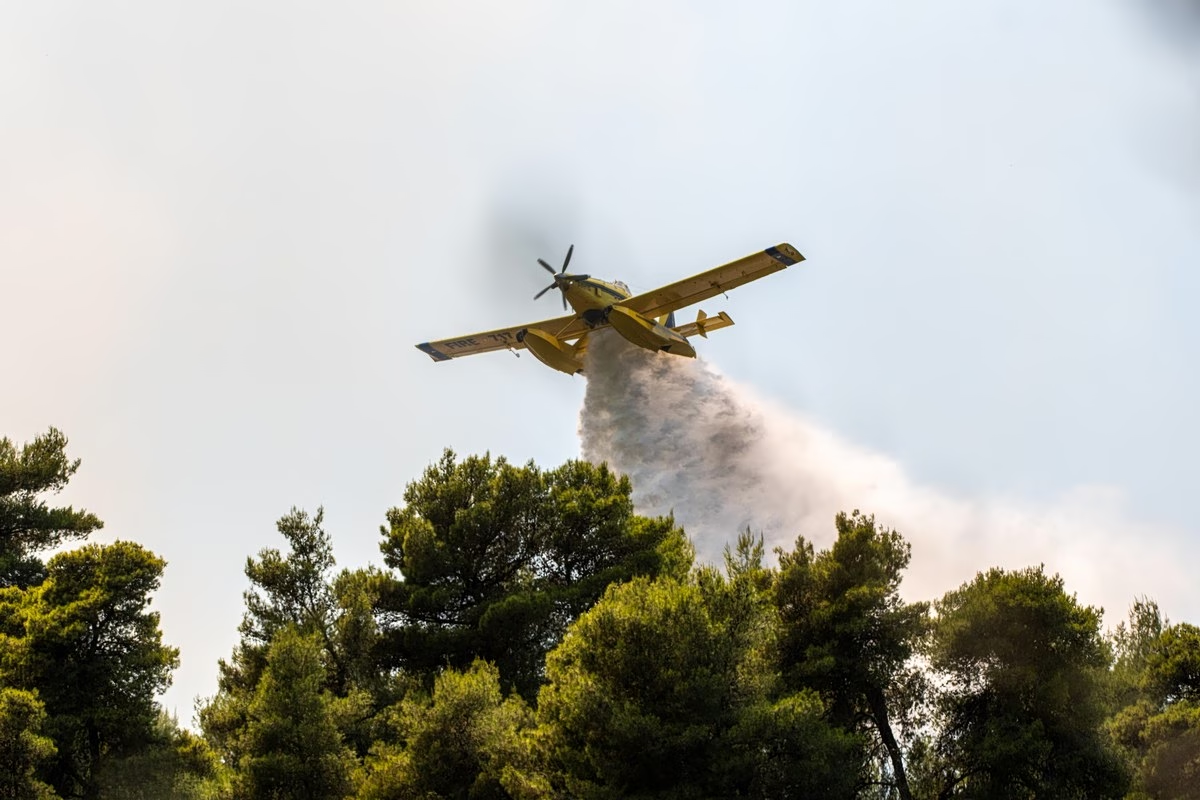
The aerial firefighting component was equally substantial. Three fixed-wing aircraft and one helicopter were scrambled to support the operation from the air, bringing the total number of aerial assets deployed to four. These aircraft played a critical role in limiting the spread of the fire across the dry vegetation that characterizes the region during the summer months.
In addition to Fire Service resources, the Municipality of Elassona was also mobilized to contribute to the operation, dispatching water tanker trucks to assist with the firefighting effort. The coordinated response between state emergency services and local municipal authorities helped accelerate the containment process.
Situation Improves as Containment Progresses
According to updated information released by the Fire Service, the overall picture at the fire site had improved as the afternoon progressed. Firefighting teams on the ground and in the air worked in tandem to limit the fire's spread, and their efforts began to show results within a relatively short timeframe following the initial outbreak.
The area around Giannota had been designated a high fire risk zone on the day of the incident, classified under Category 3 on the national fire danger scale. This classification reflects conditions including dry vegetation, low humidity, elevated temperatures, and wind activity, all of which can accelerate the spread of wildfires significantly. The timely mobilization of resources is considered to have been a contributing factor in preventing a more serious escalation.
Arson Investigation Unit Dispatched to Determine Cause
While firefighting operations were still ongoing, authorities moved simultaneously to investigate the origins of the blaze. The Arson Crimes Investigation Unit of Larissa was dispatched to the site to examine potential causes and determine whether the fire was accidental or deliberate in nature.
The involvement of the arson investigation unit is a standard procedure in Greece whenever a wildfire of notable scale occurs, particularly during the high-risk summer season. Investigators are tasked with collecting evidence from the point of ignition and surrounding areas, interviewing potential witnesses, and analyzing environmental data to reach a conclusion about how the fire started.
No immediate findings were publicly disclosed regarding the suspected cause of the Giannota fire, and the investigation was described as being in its early stages. Authorities did not comment further on whether any specific hypothesis had been identified as the likely origin.
Context: Elevated Fire Risk Across the Region
The fire in Giannota occurred against a backdrop of heightened fire danger across large portions of Greece during the late summer period. Prolonged dry spells, high temperatures, and seasonal wind patterns have created conditions that fire management authorities consistently describe as among the most challenging of the year.
Central Greece, including the Larissa regional unit where Elassona is located, has seen recurring fire incidents during the summer season. Emergency services have maintained elevated readiness levels throughout the period, with resources pre-positioned in areas classified as high or very high risk.
The rapid deployment of both ground crews and aerial assets to the Giannota incident reflects the operational protocols put in place to ensure swift responses when fires are reported in areas where conditions could allow rapid spread. Fire officials have repeatedly stressed the importance of early intervention in limiting wildfire damage, particularly in years when seasonal fire danger remains consistently elevated across multiple regions simultaneously.
As of the latest update provided by the Fire Service on August 23, the situation at Giannota was reported to be under improved control, though crews remained on site to monitor conditions and prevent any potential rekindling of the blaze.