Forest Fire Ignites in the Mani Region of Lakonia
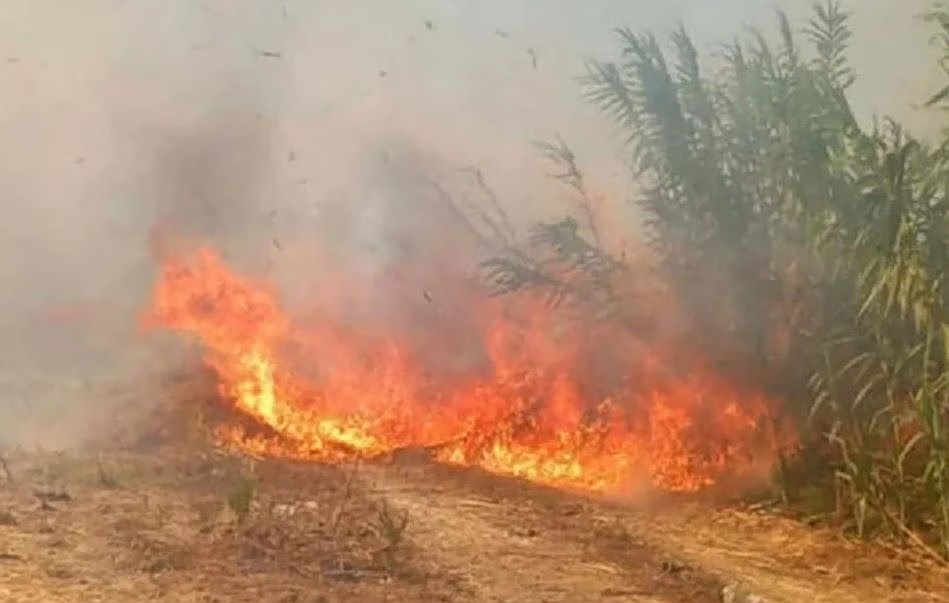
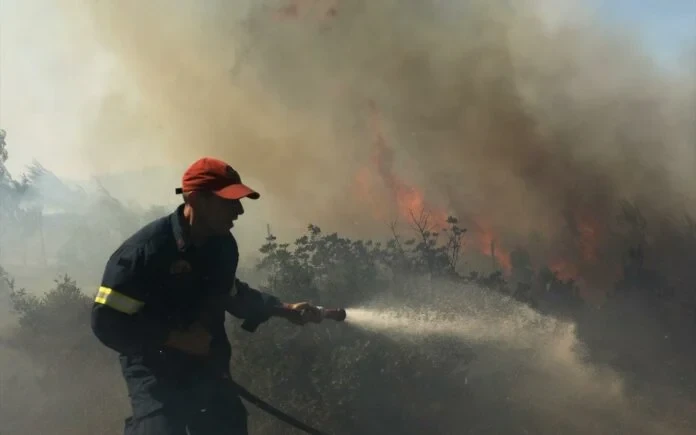
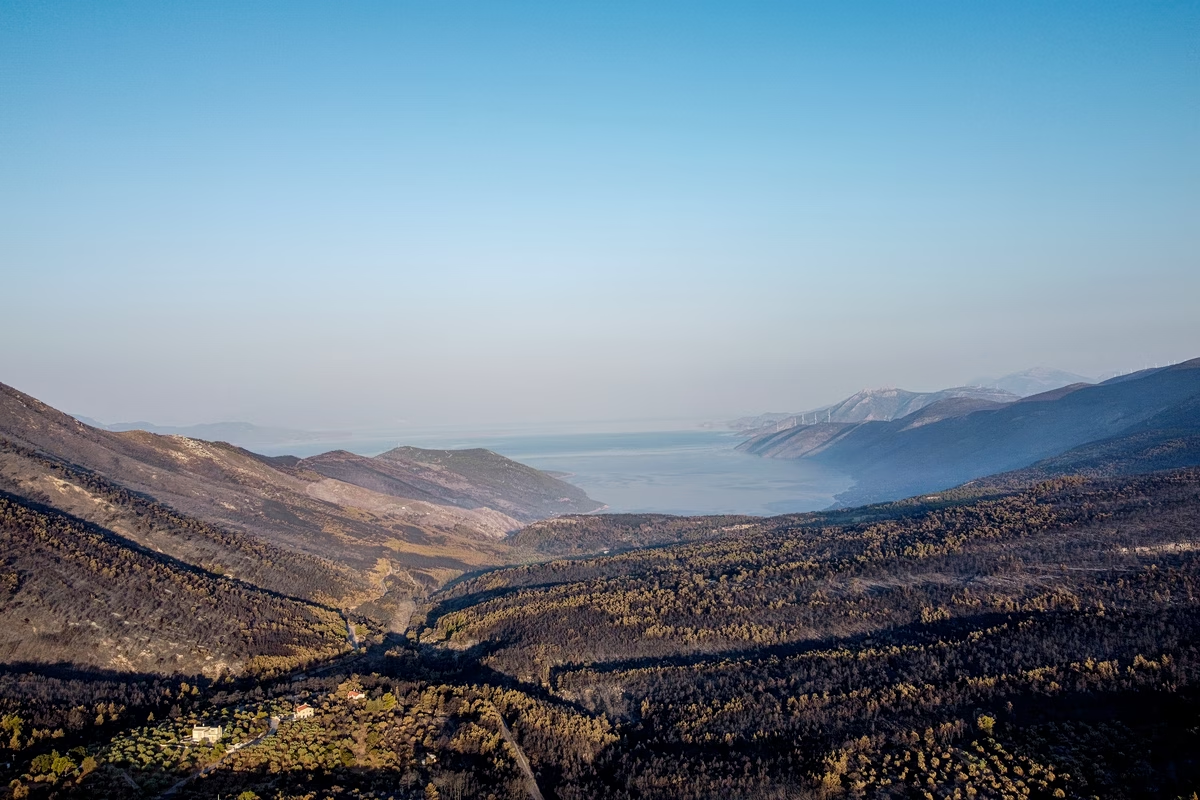
A wildfire broke out on August 23, 2026, in forested land near Agios Nikolaos in the Gytheio area of Lakonia, southern Greece. The Fire Service Operations Center received the first notification of the blaze at approximately 4:00 PM local time. Emergency crews were rapidly mobilized, and an extensive firefighting operation was launched to contain the fire before it could spread further into surrounding vegetation.
The area was already under elevated fire risk conditions at the time the fire started, having been classified under Category 3, which indicates a high likelihood of fire ignition and rapid spread. Such conditions are common in southern Greece during the summer months, when temperatures rise sharply and dry winds create ideal circumstances for wildfires to develop quickly and unpredictably.
Large-Scale Ground and Aerial Response Deployed
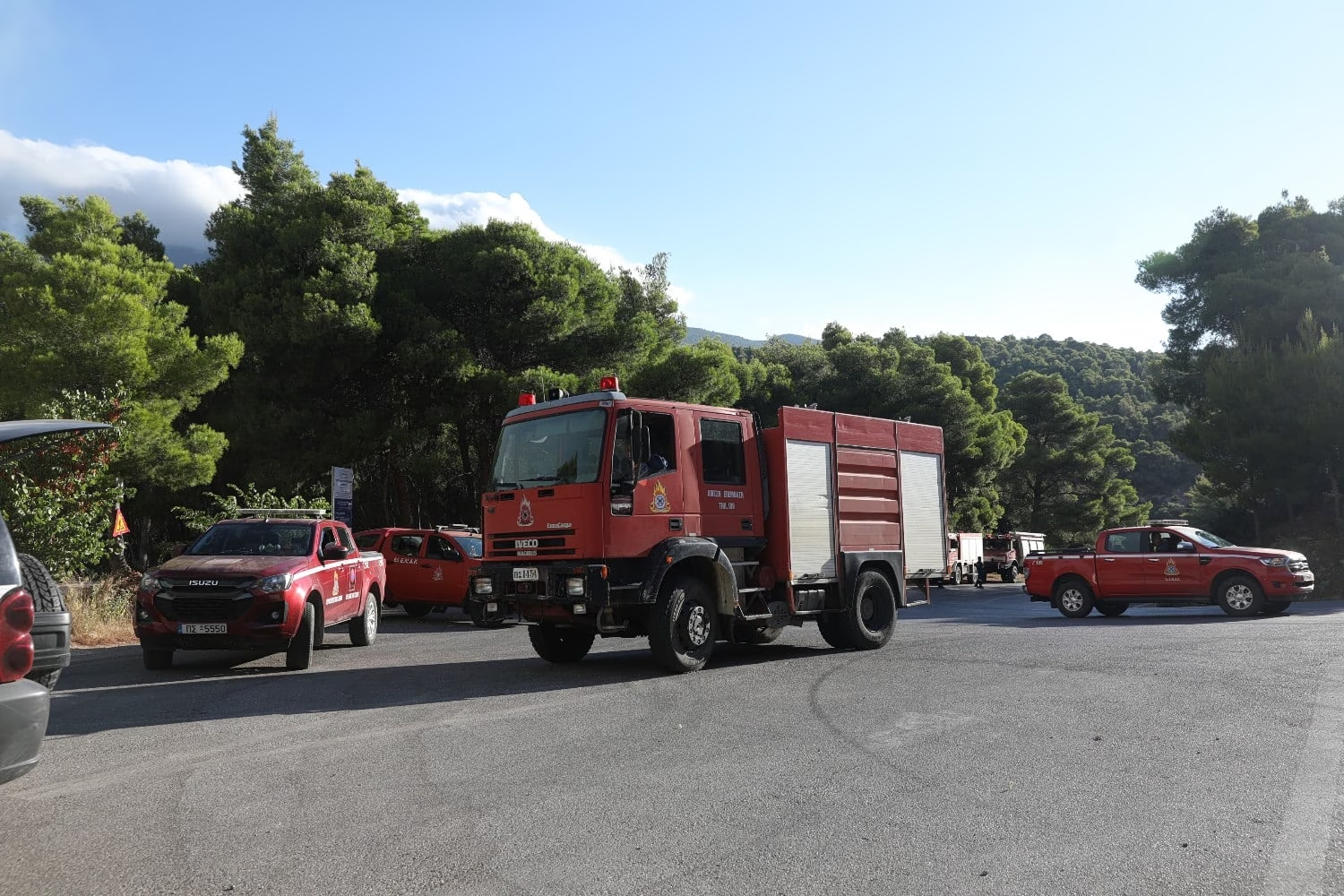
Authorities responded swiftly by deploying a significant combination of ground personnel and aerial resources. A total of 52 firefighters were dispatched to the scene, supported by two foot patrol teams from the 9th EMODE (Special Disaster Response Unit), as well as volunteer firefighters. Seventeen firefighting vehicles were also committed to the operation, forming a robust ground-level presence around the affected forest area.
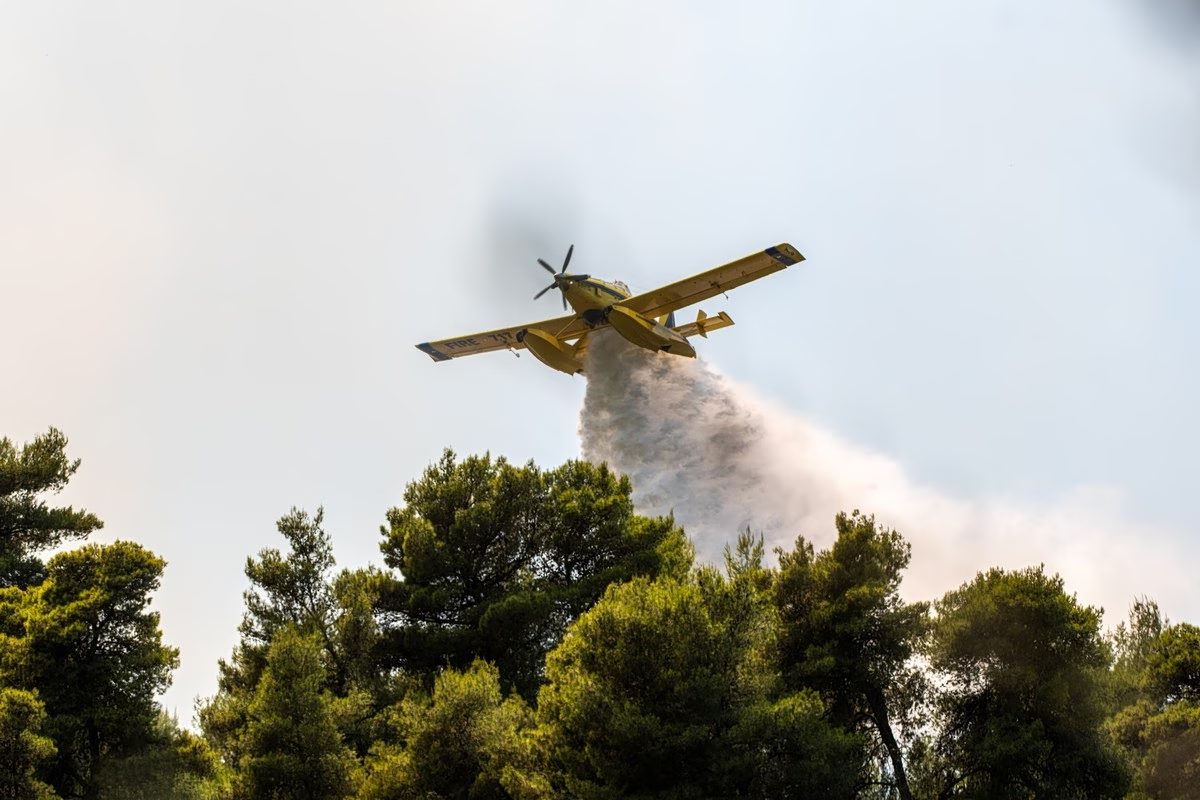
The aerial response was equally substantial. Six fixed-wing aircraft and one helicopter were assigned to the aerial firefighting effort, bringing the total number of airborne assets to seven. These aircraft played a critical role in slowing the fire's progress by making repeated water-dropping runs over the burning terrain, particularly in areas that were difficult to access on foot or by vehicle.
Municipal Support and Water Tankers Mobilized
In addition to the resources provided by the Hellenic Fire Service, the Municipality of Eastern Mani was also called upon to assist. Local authorities mobilized water tanker trucks to supplement the work of the firefighting teams, providing an additional layer of logistical support during the operation. The cooperation between municipal bodies and national fire services is a standard practice in Greece during large wildfire incidents, and it reflects the importance of coordinated emergency management at multiple levels of government.
Volunteer groups also participated in the response effort, contributing personnel and helping to extend the operational capacity of professional firefighting units. The involvement of community volunteers is a well-established tradition in Greek firefighting culture, particularly in rural and forested regions where local knowledge of the terrain can be invaluable.
Arson Investigation Unit Activated
Alongside the firefighting operation, Greek authorities also launched a formal investigation into the origins of the blaze. The Arson Crimes Investigation Unit of Lakonia was activated and dispatched to the scene to examine evidence and determine the cause of the fire. The unit's involvement signals that authorities are not ruling out the possibility of deliberate ignition, a concern that frequently arises in the context of summer wildfires across Greece.
Determining the cause of wildfires is a priority for Greek authorities, both to hold responsible parties accountable and to improve prevention strategies. In recent years, Greece has intensified its efforts to prosecute individuals found guilty of arson, recognizing the devastating ecological and human consequences that forest fires can have across the country's diverse landscapes.
Context: Fire Risk and Seasonal Challenges in Greece
Greece faces a recurring and serious wildfire threat each summer, driven by a combination of prolonged droughts, high temperatures, and strong seasonal winds. The southern Peloponnese, which includes the Mani peninsula and the broader Lakonia prefecture, is particularly susceptible due to its dry Mediterranean climate and extensive areas of pine forest and scrubland.
Over recent summers, Greek fire services have faced increasingly severe fire seasons, prompting ongoing investments in aerial firefighting capacity, early warning systems, and ground-level preparedness. The government has also pursued cooperation with European Union civil protection mechanisms to access additional aerial and personnel resources when national capacity is under pressure during peak fire periods.
The Agios Nikolaos incident serves as another reminder of the persistent vulnerability of Greek forests during the summer months and the importance of maintaining a high state of readiness. Emergency response teams, municipal authorities, and volunteer organizations continue to play a crucial role in protecting both natural ecosystems and the communities that depend on them.
Ongoing Situation
At the time of reporting, firefighting operations were still underway, with ground crews and aerial units working in coordination to bring the blaze under control. No immediate reports of injuries or evacuations were available, though authorities were monitoring the situation closely given the prevailing weather conditions and the elevated fire risk classification assigned to the area. Further updates were expected as the operation progressed and investigators began their assessment of the fire's origin and scope.