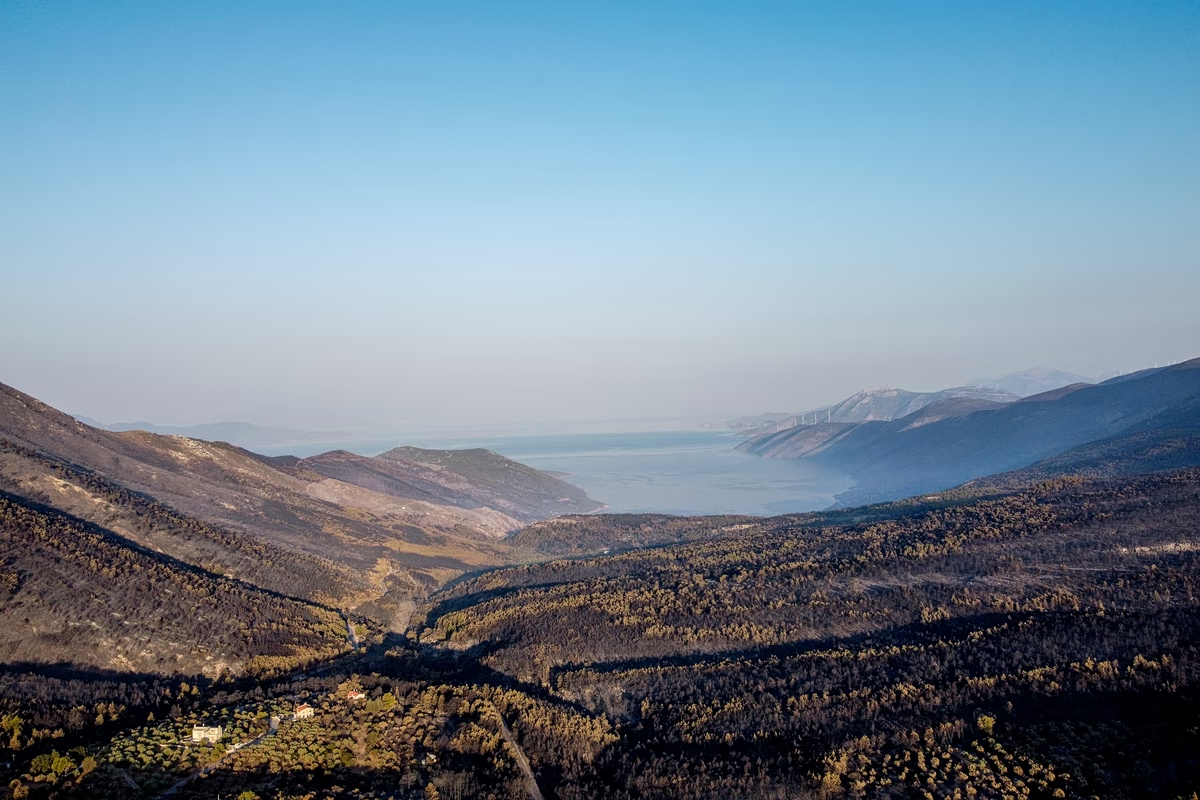
Wildfire Breaks Out in Fthiotida Region
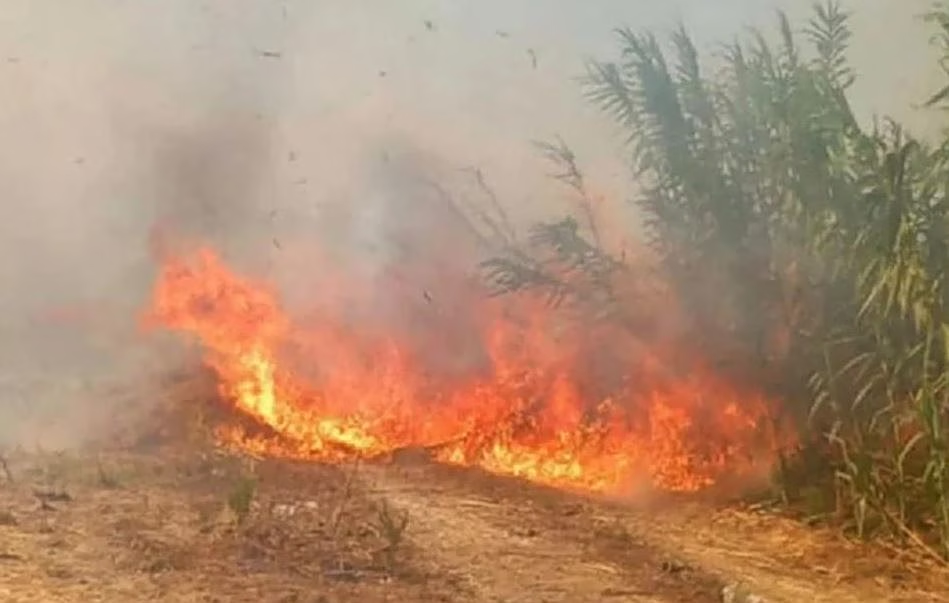
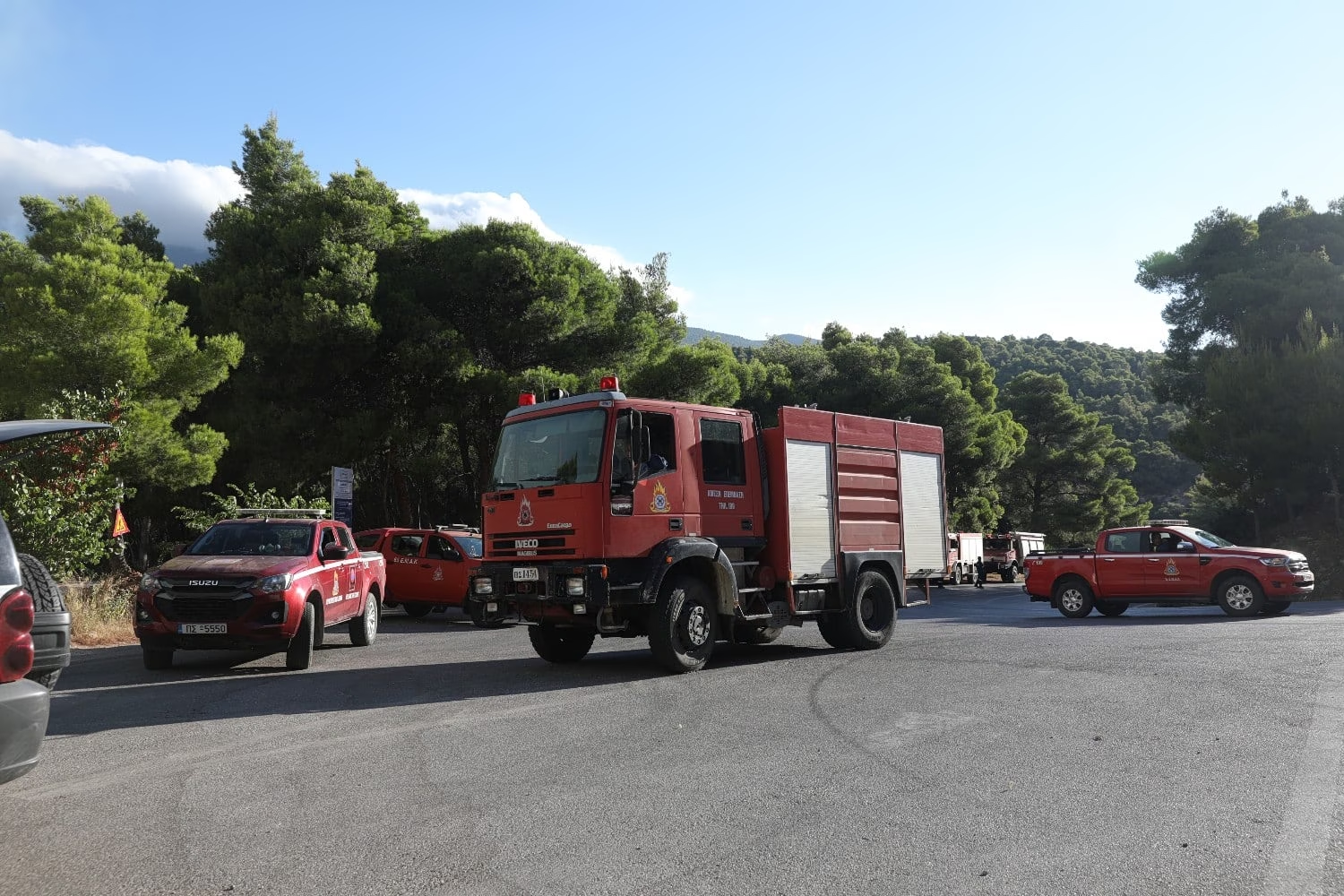
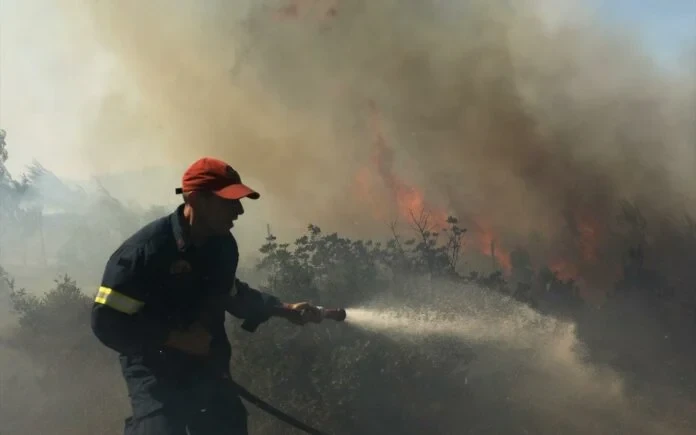
A wildfire that erupted in the Fthiotida region of central Greece prompted a significant emergency response from authorities, with six aerial firefighting units dispatched to combat the blaze. Residents in the affected area received emergency notifications through Greece's 112 civil protection alert system, urging them to remain on standby and stay vigilant as firefighting operations got underway.
The fire, which broke out in the broader area surrounding Elateia, a town in the Fthiotida regional unit, drew an immediate and coordinated response from fire services. Authorities acted swiftly to contain the situation, deploying both ground crews and aerial assets to prevent the fire from spreading further into surrounding areas.
Six Aerial Units Mobilized to Combat the Blaze
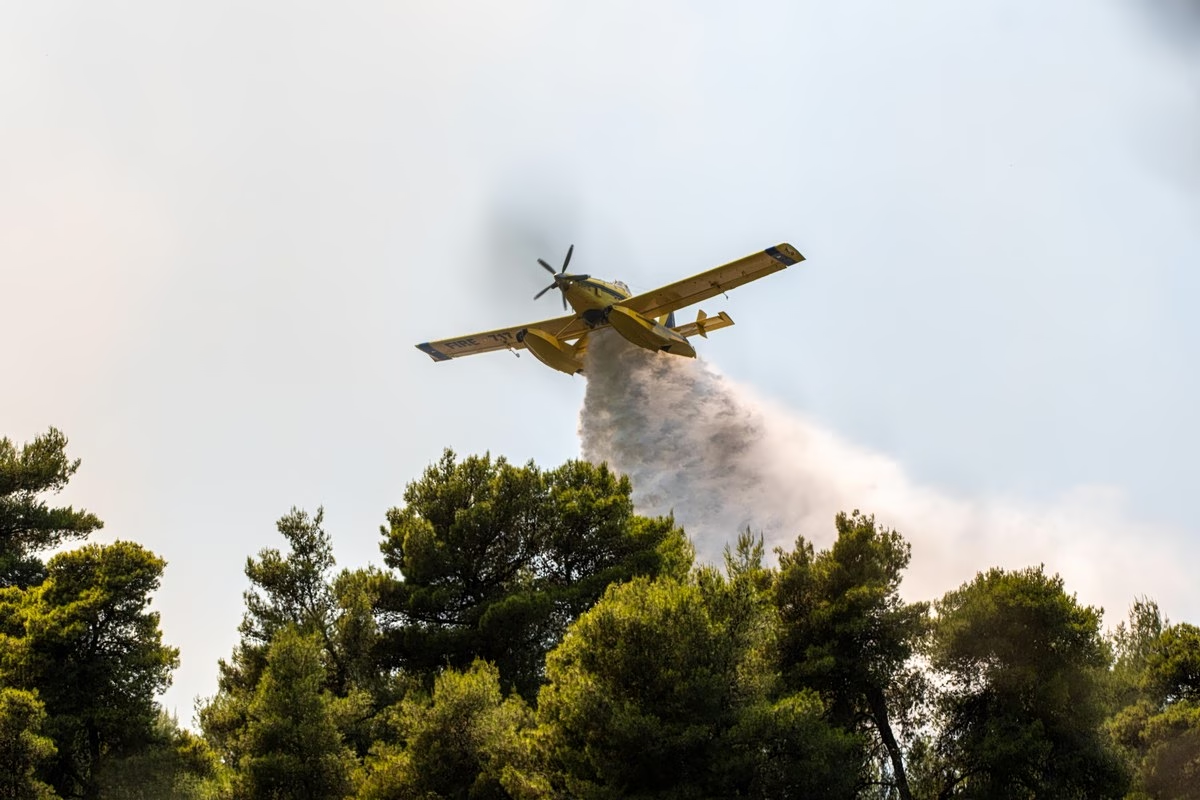
Among the most notable aspects of the emergency response was the deployment of six aircraft, which played a critical role in the aerial firefighting effort. Aviation assets are considered essential tools in combating wildfires, particularly in rugged terrain where ground crews may face difficulties reaching the fire front quickly.
The aerial units conducted repeated water-dropping operations over the affected zones, helping to slow the spread of the fire and giving ground-based firefighters a better opportunity to establish containment lines. Coordination between aerial and ground crews is typically a key factor in determining how quickly a wildfire can be brought under control.
Authorities also ensured that the local population was kept informed throughout the incident. The 112 emergency notification system, which is used across Greece to send mass alerts directly to mobile phones in a targeted geographic area, was activated to reach residents of Elateia and the surrounding communities. The message called on recipients to remain alert and to follow any further instructions issued by civil protection services.
Conditions Improve as Firefighting Efforts Continue
As firefighting operations progressed, officials reported that the overall picture was improving. The fire's advancement appeared to be slowing, with crews working to fully contain and extinguish the remaining hotspots. While conditions were described as more manageable compared to the height of the emergency, firefighters remained on the scene to prevent any potential flare-ups.
Wildfires in Greece are a recurring challenge, particularly during the summer months when high temperatures, dry vegetation, and strong winds create conditions that are highly conducive to the rapid spread of fire. The Fthiotida region, like many parts of the Greek mainland, contains extensive forested areas and agricultural land that can be vulnerable during periods of prolonged heat and drought.
The Role of the 112 Alert System
The activation of the 112 emergency alert system in response to the Fthiotida wildfire highlights the increasing role that digital communication tools are playing in Greece's civil protection framework. The system allows authorities to send targeted text messages to all mobile phones active within a defined geographic zone, ensuring that residents receive timely warnings regardless of whether they are following news or monitoring official channels.
Since its broader rollout in recent years, the 112 system has been used during a range of emergencies across Greece, including wildfires, floods, and other natural disasters. Its effectiveness depends not only on the speed with which alerts are issued but also on the clarity of the instructions provided to the public. In this case, residents were advised to remain in a state of readiness, a precautionary measure that allows authorities to issue further evacuation orders if the situation were to deteriorate.
Community Preparedness and Civil Protection
The incident in Fthiotida also brings into focus the broader issue of community preparedness in fire-prone regions. Civil protection agencies in Greece have been working in recent years to improve public awareness and readiness ahead of the fire season, including the development of local emergency plans and the distribution of safety guidelines to residents in high-risk areas.
Experts have long emphasized that community awareness and early response are among the most effective tools in minimizing the damage caused by wildfires. When residents are informed quickly and understand what actions to take, the risks to human life and property can be significantly reduced.
Ongoing Monitoring and Risk Assessment
Following the initial containment efforts, fire services continued to monitor the area closely to ensure that the fire did not reignite. Residual heat and smoldering vegetation can sometimes lead to secondary outbreaks hours or even days after a fire appears to have been extinguished, making continued vigilance essential.
Meteorological conditions in the region were also being closely tracked by authorities. Wind speed and direction are among the primary factors that can influence the behavior of a wildfire, and any shift in wind patterns can rapidly change the dynamics of a fire event. Firefighting teams typically remain on standby in the vicinity of a recently contained fire to respond immediately should conditions change.
Broader Context of Greece's 2025 Fire Season
The Fthiotida wildfire is one of several fire incidents that have affected various parts of Greece during the summer period. The country has experienced particularly challenging fire seasons in recent years, with large-scale blazes causing significant damage to forests, infrastructure, and in some tragic cases, resulting in loss of life. Authorities at both the national and regional levels have been investing in expanded firefighting capacity, including additional aircraft, ground vehicles, and personnel, in an effort to respond more effectively to the growing threat posed by wildfires.
Climate scientists have noted that rising temperatures and shifting precipitation patterns associated with climate change are increasing the frequency and intensity of wildfires across the Mediterranean region. Greece, along with other Southern European countries, faces a particularly acute version of this challenge, given its combination of hot, dry summers and extensive areas of flammable vegetation.
As the situation in Fthiotida continued to be monitored, officials expressed cautious optimism that the worst of the immediate threat had passed, while stressing that full containment remained the priority and that residents should continue to heed any guidance issued by civil protection authorities.