The strategic objectives of the 'Agenda 2030' defense reform
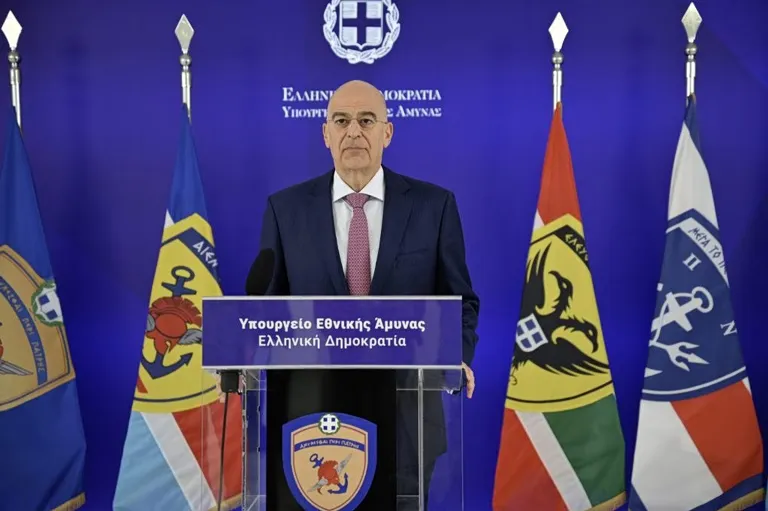
The 'Agenda 2030' serves as the primary framework for the comprehensive reform and modernization of the Greek military apparatus. According to Minister Nikos Dendias, this initiative represents a transition toward a new conception of national defense designed to meet the specific demands of the 21st century. The reform is not merely about equipment procurement but involves a fundamental shift in how the military is structured and operated.
The Minister outlined several core pillars of this strategic roadmap intended to bolster Greece's deterrent capacity and ensure national autonomy. These pillars include:
- Modernized Force Structure: Reorganizing military units to improve efficiency and responsiveness.
- Multi-Domain Operational Capability: Developing the ability to conduct operations across land, sea, air, space, and cyber domains.
- Technological Integration: Incorporating innovation and cutting-edge technologies into existing military frameworks.
- Enhanced Deterrence: Strengthening the nation's ability to prevent conflict through credible military strength.
Addressing 21st-century security challenges
The necessity of 'Agenda 2030' is driven by a rapidly changing international landscape. Minister Dendias noted that the current global reality is characterized by revisionism, the questioning of international law, and frequent armed conflicts. These factors, combined with rapid technological advancements, create a complex environment where traditional defense models may no longer suffice. By implementing these reforms, the Greek state aims to ensure that its armed forces are capable of navigating these unprecedented challenges while maintaining the country's ability to define its national choices freely.
The central role of personnel in military effectiveness
Despite the heavy emphasis on technological advancement and structural reform, the Greek Ministry of National Defense maintains that human capital remains the most critical component of military power. Minister Dendias stated that no weapon system, regardless of how advanced it may be, can replace the fundamental human elements required for effective combat and defense.
The Minister identified several specific human qualities that underpin the effectiveness of the armed forces. According to his address, the following attributes are irreplaceable by technology:
- Knowledge and Judgment: The intellectual capacity to interpret complex situations.
- Training: The rigorous preparation required to operate sophisticated systems.
- Ethos and Determination: The moral character and decisiveness necessary during operations.
This perspective places the individual soldier, sailor, and airman at the core of the 'Agenda 2030' mission. The Ministry's stance suggests that while hardware provides the means, the personnel provide the actual strength and the ability to apply that means effectively in the field.
Recognition of service and national sovereignty
The observance of Greek Armed Forces Day on November 21 is framed as a moment of national gratitude toward those tasked with defending the country's sovereignty and rights. In his message to officers, non-commissioned officers, soldiers, sailors, airmen, national guards, reservists, and civilian personnel, Dendias emphasized that the military is the guarantor of the nation's independence.
The Minister's address included a formal expression of respect and gratitude on behalf of the Greek State. He called upon all service members to continue fulfilling their constitutional duties with professionalism, discipline, and a full sense of responsibility. He further urged personnel to wear their uniforms with pride, remaining committed to the values of democracy, freedom, and national independence.
The tribute extended by the Minister also included a recognition of those who have made the ultimate sacrifice, honoring those who have lost their lives in the line of duty.
Cultural and historical context of the military commemoration
The timing of the commemoration coincides with the religious feast of the Entry of the Theotokos, which holds significant cultural weight in Greece. Minister Dendias noted that this date links Orthodox tradition with the historical trajectory of the Greek people. In the Greek military context, the Virgin Mary is venerated as the 'Supreme General' of the Greek Armed Forces.
This connection between religious tradition and military service serves as a cultural cornerstone for the institution. The Minister remarked that the Virgin Mary has historically provided spiritual protection over the Armed Forces and, through them, the nation itself. This aspect of the commemoration highlights the deep-seated integration of tradition within the modern military identity of Greece, providing a sense of continuity that spans from historical struggles for independence to modern-day defense requirements.
The necessity of continuous vigilance in a shifting global order
A recurring theme in the Ministry's communication is that freedom and independence are not permanent achievements but require constant maintenance. Minister Dendias warned that the current international environment demands a state of perpetual readiness. The shift toward a more volatile global order means that deterrence must be both reliable and credible to be effective.
The Minister's message suggests that the Greek state views military strength as a tool for peace rather than a provocation. By maintaining a robust and modernized defense posture, Greece aims to protect its rights and ensure it can navigate international pressures without compromising its national autonomy. The 'Agenda 2030' is therefore presented as a proactive measure to secure the nation's future in an era of increasing geopolitical uncertainty.
| Military Personnel Category | Role in National Defense |
|---|---|
| Officers and NCOs | Leadership, command, and technical expertise |
| Soldiers, Sailors, and Airmen | Operational execution and frontline defense |
| National Guards and Reservists | Support and specialized territorial defense |
| Civilian Personnel | Administrative and logistical operational support |