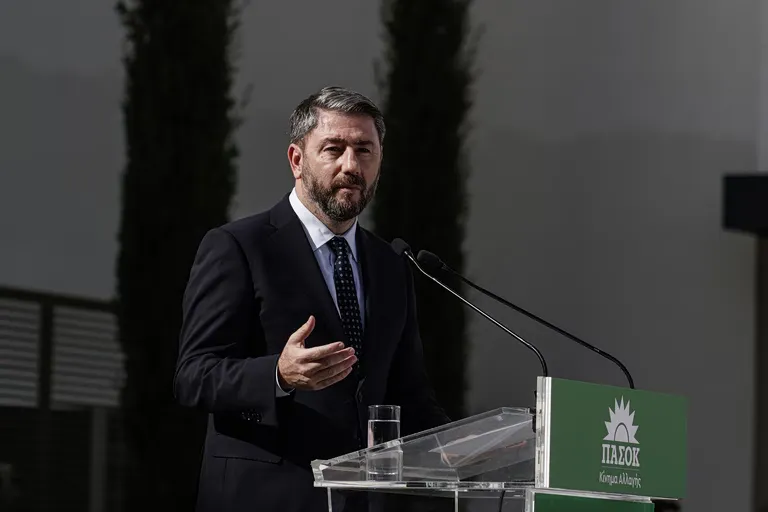
Strategic identity and ideological orientation of the youth wing
The meeting focused heavily on defining the ideological identity of the reorganized Neolaia PASOK, aiming to create a mass organization capable of active political engagement. According to party sources, the leadership intends for the organization to take a firm stance against the far-right and adopt an anti-neoliberal trajectory. This positioning is designed to create a direct political confrontation with the historical revisionism attributed to the New Democracy (ND) party.
Participants discussed the need for the youth wing to act as a counter-force to current government narratives. Specifically, the leadership highlighted concerns regarding the perceived revision of Greek history, citing recent political discourse surrounding the Polytechnic uprising as a primary example. The discussions emphasized that Neolaia PASOK must serve as a mobilized entity that actively challenges what they characterize as far-right propaganda.
Defining the opposition to historical revisionism
A significant portion of the debate centered on the political statements made by government figures. The meeting addressed remarks by Health Minister Adonis Georgiadis regarding the Polytechnic, which party members characterized as far-right propaganda. Furthermore, the leadership expressed concern over the "Truth Group" (Omada Alitheias), led by Grigoris Dimitriadis, suggesting that this mechanism works in synchronization with government ministers to shift the political spectrum. PASOK leadership views these efforts as an attempt to transform New Democracy from a center-right party into an ultra-right entity, a trend they believe Neolaia PASOK must actively resist through organized public intervention.
Organizational structure and upcoming congress
Beyond ideological positioning, the meeting addressed the practical restructuring of Neolaia PASOK to ensure it functions as a modern, communicative political force. The goal is to build a "strong, politicized youth" that can effectively integrate PASOK's programmatic language into contemporary social debates. This includes sharpening the party's focus on specific policy areas such as labor rights and housing issues to ensure the youth wing remains relevant to the immediate concerns of younger citizens.
The proposed new structure will place a heavy emphasis on two main pillars:
- Modern Communication: Enhancing the organization's ability to engage in public discourse and digital outreach.
- Public Intervention: Moving beyond theoretical debate to active, visible participation in social and political movements.
The detailed framework for this reorganized structure is expected to be finalized and presented at the upcoming Neolaia PASOK congress. Based on current projections, this organizational summit is likely to take place between January and February 2027, serving as the formal launchpad for the new strategic era.
Improving electoral performance among young voters
The decision to prioritize the reorganization of the youth wing is driven by the need to address PASOK's recent electoral shortcomings in younger demographics. Nikos Androulakis has reportedly made the revitalization of Neolaia PASOK a personal priority, recognizing that the party's influence among the new generation is directly linked to its overall electoral success. The leadership is seeking to reverse a trend of low engagement among students and young professionals.
Data provided by Eteron regarding the 2023 elections illustrates the scale of the challenge facing the party. The following table outlines PASOK's performance across different youth segments during the May and June 2023 elections:
| Demographic Group | May 2023 Vote (%) | June 2023 Vote (%) |
|---|---|---|
| Students | 10.5% | 8.0% |
| Youth (17-24 years) | 9.7% | 10.0% |
| Youth (25-34 years) | 10.2% | 9.9% |
These figures indicate a need for a more robust presence in the student vote and a more consistent connection with both the youngest voters and the young professional demographic. By strengthening the youth wing, the leadership hopes to stabilize and eventually grow these percentages.
Leadership recognition and recent mobilization successes
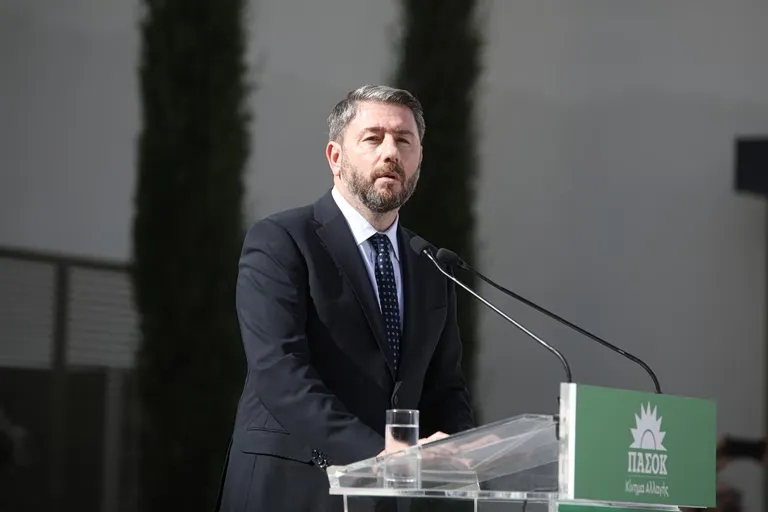
Despite the need for structural changes, the PASOK leadership expressed satisfaction with the recent performance of the existing youth organization. Nikos Androulakis specifically commended the members for their dynamic presence during the three-day commemorations of the Polytechnic uprising. The leadership noted that the organization's ability to organize events against the far-right demonstrated a level of mobilization that serves as a foundation for the upcoming reorganization.
The meeting included several key party figures to ensure a coordinated approach to the restructuring. Attendees included:
- Nikos Androulakis: PASOK Leader.
- Kostas Tsoukalas: Party Spokesperson.
- Nikos Daskalakis: Head of Mobilization and member of the Organizational Committee.
- Giorgos Tsoumas: Neolaia PASOK Coordinator.
This high-level involvement signals that the reorganization of Neolaia PASOK is not merely a local organizational matter but a central component of the broader PASOK political strategy under Androulakis.