PASOK's stance on the parliamentary inquiry
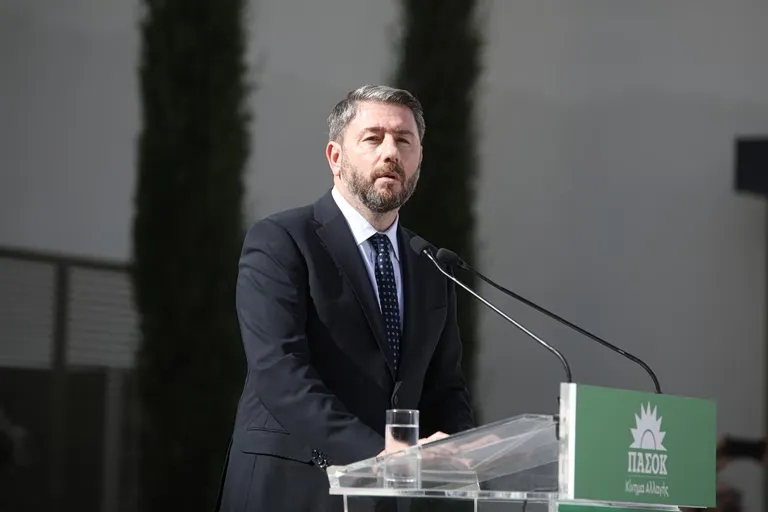
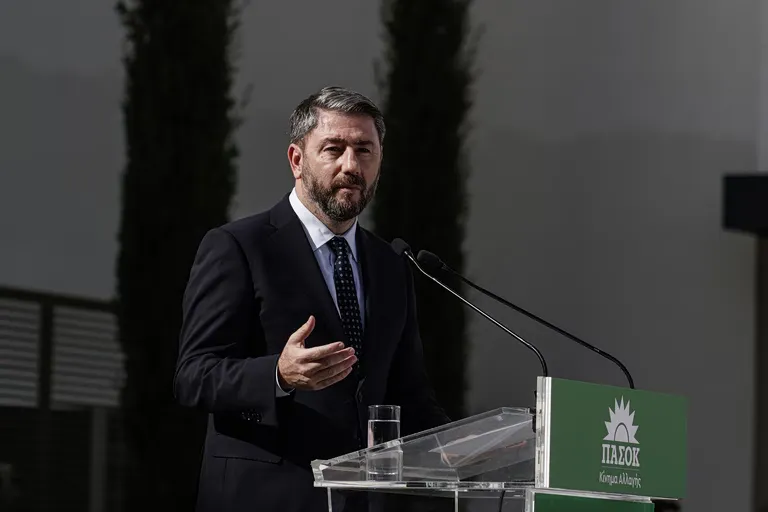
PASOK intends to vote in favor of the SYRIZA proposal to establish an investigative committee regarding the management of red loans. According to party sources, the decision was made following a study of the request, with the goal of providing the necessary space for Parliament to evaluate the complexities of private debt. The party seeks a thorough assessment of how these loans have been handled and the resulting consequences for Greek households.
Despite the support for the inquiry, PASOK has expressed skepticism regarding the effectiveness of such committees under the current parliamentary majority. The party noted that recent experiences suggest a government-led majority could potentially obstruct the ability of these committees to reach useful or accurate conclusions. This critique highlights a tension between the desire for transparency and the practical limitations imposed by current legislative dynamics.
Political motivations behind the vote
The decision to support the SYRIZA motion is framed by PASOK as a move to ensure accountability rather than a simple alignment with the opposition. By pushing for a formal parliamentary investigation, the party aims to move the debate from political rhetoric to documented findings. However, the party's leadership remains careful to distinguish its own policy history from the actions of the two major governing parties of the last decade.
Criticism of the SYRIZA-ANEL administration
PASOK has directed significant criticism toward the former SYRIZA-ANEL government, specifically targeting the policies of Alexis Tsipras. Party officials stated that the Tsipras administration's policies effectively "opened the road for the sale of 'red' loans to funds." According to PASOK sources, while the government had promised protections such as "no home in the hands of a banker," their legislative actions actually facilitated the market for non-performing loans.
The party argues that the previous administration's actions led to the erosion of protections for primary residences. PASOK officials claimed that the SYRIZA-ANEL government essentially dismantled the existing protection regime and institutionalized electronic auctions, which have since become a primary mechanism for debt recovery. This critique positions PASOK as a consistent defender of borrowers compared to the perceived failures of the previous left-wing government.
| Policy Era | PASOK Position / Action | Criticism leveled by PASOK |
|---|---|---|
| SYRIZA-ANEL Government | Opposed legislation; advocated for borrower protections. | Claimed they "opened the road" for the sale of red loans to funds. |
| New Democracy Government | Voted against "Hercules" plans; highlighted risks. | Accused of turning a "path" into a "highway" of debt and foreclosure. |
Accountability for the New Democracy government
The current administration under Kyriakos Mitsotakis has also faced sharp rebukes from PASOK regarding the management of private debt. PASOK representatives claim that the Mitsotakis government has exacerbated the situation by further stripping away protections for debtors. According to the party, the current administration has turned the legislative path opened by the previous government into a "highway" characterized by a total absence of primary residence protection.
PASOK officials highlighted that the Mitsotakis government has forced many debtors into bankruptcy and the loss of all their property. They specifically pointed to the failure to utilize European Directive 1023/2019, which could have provided special protective measures for borrowers. Instead, PASOK alleges that the current framework has become extremely favorable to funds and servicers, even extending to the provision of specific tax privileges for these entities.
The role of the "Hercules" program
A key point of contention involves the "Hercules" debt relief scheme. PASOK officials reminded the public that they had voted against these plans, citing significant risks to both individual debtors and public finances. The party maintains that the legislative interventions of the New Democracy government have prioritized the stability of the financial system and the interests of funds over the economic security of Greek citizens.
PASOK's legislative alternative and policy history
To differentiate itself from both the government and the main opposition, PASOK is moving forward with its own legislative proposal submitted one week prior to the debate. This proposal focuses on several key pillars intended to mitigate the impact of the debt crisis on households. According to PASOK officials, their plan includes the following measures:
- Imposing strict limitations on the activities of investment funds.
- Establishing rigorous rules for debt management and collection.
- Providing enhanced protection for primary residences and agricultural land.
- Implementing solutions for loans held in Swiss francs.
The party emphasizes that its stance has been consistent throughout the crisis. PASOK points to its previous efforts to establish laws for the protection of primary residences during the height of the economic crisis as evidence of its commitment to borrowers. They argue that their policy approach is fundamentally different from the "speculation" they claim is currently driving the debt market.
Analysis of the debt transfer timeline
PASOK has provided specific figures to challenge the narratives surrounding the rise of foreign funds in the Greek debt market. The party contends that the influx of international capital is a direct result of a continuous dismantling of protective frameworks from 2015 to the present. To support this, PASOK officials cited data from the Debt and Credit Management Authority to illustrate the scale of the transfers.
According to PASOK, no foreign funds were active in Greece prior to 2017. The party stated that between 2017 and the second quarter of 2019, 18.5 billion euros were transferred to foreign funds. The scale of the issue increased significantly thereafter, with PASOK claiming that over 90 billion euros in "red loans" were sold after 2019. This data is used by the party to argue that the current crisis is the cumulative result of long-term policy decisions rather than isolated recent events.