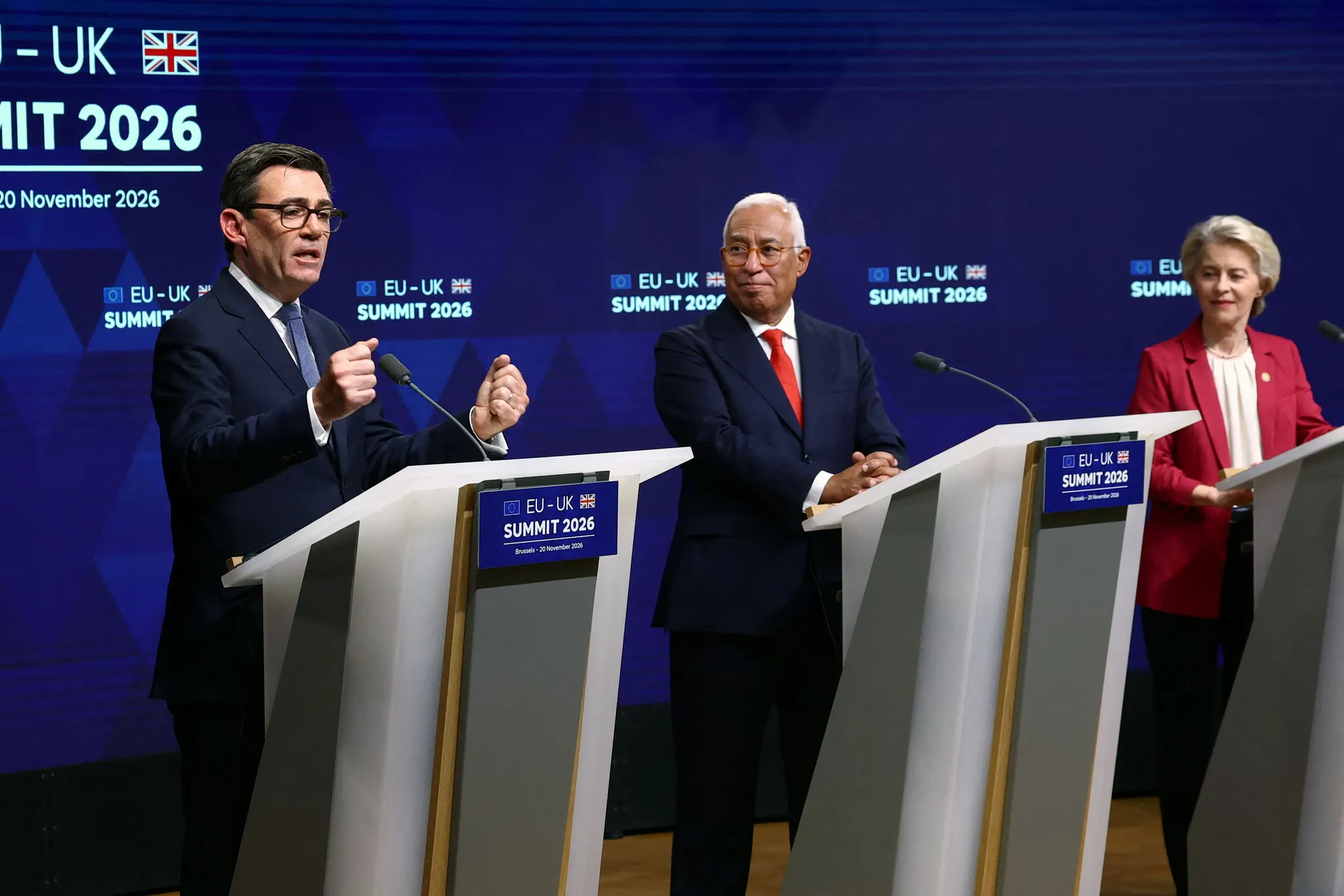
The Andy Burnham Brexit agreement, announced at a Brussels summit in November 2026, establishes a new framework for UK-EU relations aimed at repairing a decade of division. The deal secures cooperation on food and agricultural exports, emissions trading systems, and a new youth mobility programme designed to allow approximately 100,000 young Europeans to work temporarily in the United Kingdom. While Prime Minister Andy Burnham described the outcome as a "win-win" milestone, the agreement faces significant political opposition from domestic conservative factions and maintains strict boundaries regarding the UK's return to the Single Market.
Core components of the Brussels agreement
The new agreement focuses on specific regulatory and mobility sectors to ease the friction caused by the original Brexit departure. According to the announcements made in Brussels, the primary pillars of this deal include streamlined processes for the export of food and agricultural products, a coordinated approach to the emissions trading system, and a significant new mobility scheme for young people.
The youth mobility programme is a central feature of the negotiations, intended to facilitate easier movement for the next generation of workers. This initiative is expected to open pathways for roughly 100,000 young Europeans to undertake temporary work assignments within the United Kingdom, potentially addressing labor shortages and cultural exchange needs.
Beyond these immediate sectors, European Commission President Ursula von der Leyen identified several strategic areas slated for future cooperation. These include:
- Economic security and financial stability
- Cooperative defense capabilities
- Artificial Intelligence (AI) regulation and development
- Joint efforts to combat illegal migration
While these areas offer potential for growth, they also represent significant areas of future friction, particularly as the UK seeks to balance domestic sovereignty with international regulatory alignment.
The economic cost of the Brexit decade
Economic data suggests that the departure from the European Union has had a measurable negative impact on the United Kingdom's prosperity. While Prime Minister Andy Burnham noted that certain sectors have benefited from the post-Brexit landscape, he acknowledged that others have been severely impacted by the shift in trade dynamics.
Economists have consistently highlighted the drag Brexit has placed on national productivity. Estimates indicate that the loss in economic output ranges from 2% to as high as 8%. This reduction in growth prospects stems from the increased complexity of trade and the loss of seamless access to the European market.
The current Labour administration is attempting to mitigate these losses through a different approach than its predecessor. While former Prime Minister Keir Starmer sought to "make Brexit work" through technocratic harmonization and limited trade agreements, the Burnham government is taking a more assertive stance in re-establishing ties with Brussels. The objective is to reduce trade barriers without triggering the political volatility associated with a full return to the EU structures.
Political boundaries and the 'Red Lines' of the Labour government
Despite the more assertive tone of the Burnham administration, the government has maintained strict limits on how far the UK will move toward European integration. Andy Burnham has explicitly ruled out several key forms of reintegration for the current parliamentary term, adhering to the political mandates set by his party.
The government's "red lines" prevent any immediate return to the following structures:
- The European Union Single Market
- The EU Customs Union
- The principle of the free movement of people
Burnham has characterized the current agreement as likely being the limit of what can be achieved within this parliamentary period. However, he has committed to beginning formal discussions with the EU regarding the long-term nature of the UK-EU relationship. This strategy aims to satisfy the demand for better relations while avoiding the political fallout of a total reversal of the 2016 referendum result.
The challenge of academic mobility and tuition fees
One of the most immediate hurdles remaining in the bilateral relationship involves the cost of higher education. A six-month deadline has been established to reach an agreement concerning EU requirements for reducing tuition fees for students from member states studying at British universities. This issue remains a critical point of tension, as the UK seeks to maintain its academic standing while managing domestic fiscal pressures.
Domestic opposition and the reaction of Brexit supporters
The announcement of the deal has immediately reignited the political divisions that have characterized British politics since 2016. Conservative opponents and Brexit advocates have voiced strong opposition to what they perceive as a softening of the UK's independence from Brussels.
The political reaction has been divided along ideological lines:
| Group/Leader | Position on the Agreement | Core Argument |
|---|---|---|
| Keir Starmer (Former PM) | Supportive/Precursor | Focused on technocratic harmonization to reduce trade barriers. |
| Kemi Badenoch (Tory Leader) | Opposed | Argues the government has failed to learn lessons from the past and that current issues are unrelated to EU membership. |
| Nigel Farage (Brexit Architect) | Opposed | Claims the Prime Minister lacks a mandate to negotiate closer ties with Brussels. |
| Andy Burnham (PM) | Proponent | Views the deal as a "win-win" that restores ties with old friends. |
Nigel Farage, a central figure in the original Brexit movement, has specifically challenged the legitimacy of the negotiations, stating that Burnham does not possess the mandate required to pursue closer integration. Meanwhile, Conservative leader Kemi Badenoch has dismissed the focus on the EU, suggesting that the nation's current challenges are not tied to its status outside the bloc.
Expert analysis: Rhetoric versus reality
Political analysts are divided on whether the Burnham government's approach represents a fundamental shift in policy or merely a change in communication style. While the Prime Minister uses more robust language regarding the benefits of European cooperation, some experts argue the substantive policy changes remain limited.
Anand Menon, a professor at King's College London and director of the "UK in a Changing Europe" think tank, has noted that the primary difference may lie in the rhetoric. According to Menon, Burnham's willingness to leave the possibility of reintegration open makes the political landscape more complex. He suggests that any significant change in relations would require the UK government to compromise on its established "red lines."
This sentiment echoes previous warnings from EU negotiators. Michel Barnier, the former EU Brexit negotiator, famously remarked that the United Kingdom could not "cherry-pick" the specific elements of the Single Market it wished to retain. The Burnham administration appears to be navigating this reality by seeking a "middle way"—improving cooperation in specific sectors like agriculture and youth mobility without attempting to reclaim the broader rights of membership.