How did the European Union respond to the Serbian election results?
The European Union has issued its first formal congratulations to the 'Student List' following their decisive victory in the Serbian parliamentary elections. This response comes as a significant diplomatic signal, indicating that Brussels views the election outcome as a pivotal moment for the country's political trajectory. The endorsement was delivered through a coordinated effort by the two most prominent figures in EU governance.
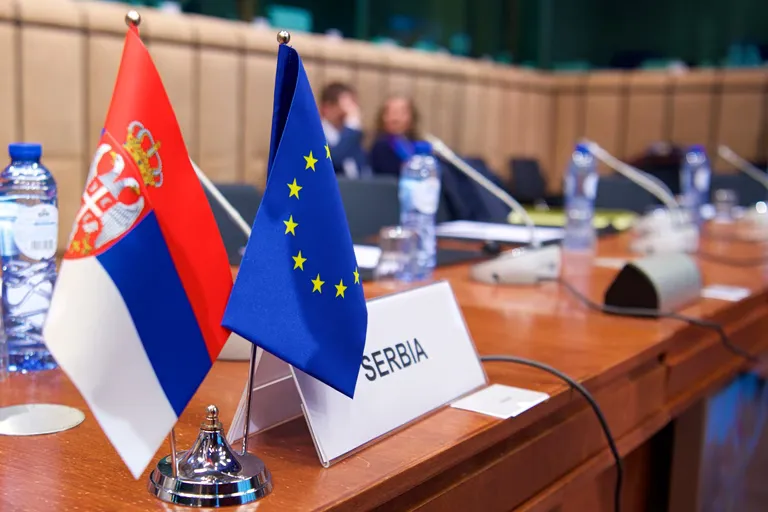
António Costa, President of the European Council, and Ursula von der Leyen, President of the European Commission, released a joint statement via social media to acknowledge the shift in Serbia's political landscape. They specifically congratulated the 'Student List' on their success, noting that the Serbian people participated in record numbers to influence the nation's future direction. This high-level engagement suggests that the EU is closely monitoring the transition of power and the potential for renewed democratic stability in the Balkans.
What specific reforms does the EU expect from the new Serbian leadership?
The European Union has explicitly outlined the pillars of reform required to facilitate Serbia's progress toward EU membership. In their joint communication, President Costa and President von der Leyen stated that the EU is prepared to support structural changes in several key sectors of the Serbian state. These areas are considered essential for aligning Serbia with European democratic standards.
The primary areas of focus for the upcoming cooperation include:
- The Rule of Law: Ensuring that judicial processes are independent, transparent, and consistent with European legal frameworks.
- Media Freedom: Protecting the independence of journalists and ensuring a pluralistic media environment free from political interference.
- Anti-Corruption Measures: Implementing robust mechanisms to fight corruption and ensure accountability within state institutions.
- Democratic Institutions: Strengthening the capacity and resilience of the country's governing bodies to operate democratically.
By identifying these specific sectors, the EU is setting a clear roadmap for the 'Student List' government. The success of the Serbian accession process will likely be measured by the tangible progress made in these four critical domains.
The role of institutional support in the reform process
The commitment from the European Commission and the European Council extends beyond mere political endorsement. The EU has expressed a readiness to work collaboratively with the new Serbian administration to achieve a shared European future. This implies that technical assistance, expertise, and institutional guidance will be available to help Belgrade navigate the complexities of the reform process and the eventual integration into the European Union's political and economic structures.
What does the victory mean for EU-Serbia relations?
The election of the 'Student List' is being viewed as the beginning of a new chapter in the relationship between Belgrade and Brussels. European Commissioner for Enlargement, Marta Kos, characterized the result as a potential turning point that could redefine how the two entities interact. Her statements suggest that the previous period of tension or stagnation may be replaced by a more constructive and cooperative era.
According to a written statement released by Commissioner Kos's office, the door to the European Union remains open for Serbia. She noted that the election results could signal a fresh start, allowing for a more synchronized approach to regional stability and European integration. This optimistic outlook from the Enlargement Commissioner indicates that the EU is prepared to move forward with the accession process, provided the new government adheres to the agreed-upon democratic principles.
How will the 'Student List' navigate the path to EU accession?
The 'Student List' faces the significant challenge of translating their electoral mandate into comprehensive legislative and institutional changes. While the EU's congratulatory tone is encouraging, the actual path to membership remains contingent on the implementation of the reforms previously mentioned. The new government must balance the expectations of its domestic electorate with the rigorous requirements of the European Union's accession criteria.
The transition from an election victory to successful integration will require:
- Legislative Action: Passing laws that strengthen judicial independence and media protections.
- Institutional Capacity: Building the administrative strength necessary to implement complex EU directives.
- Public Trust: Demonstrating to the Serbian citizenry that the promised reforms will lead to improved governance and economic stability.
As the 'Student List' begins its term, the eyes of the international community, particularly the European institutions, will be fixed on Belgrade to see if this "new chapter" results in genuine democratic advancement.
FAQ: Serbia election and EU relations
What was the main outcome of the Serbian parliamentary elections?
The 'Student List' achieved a significant victory in the parliamentary elections, representing a shift in the Serbian political landscape. The election saw record-breaking voter turnout, signaling a strong public desire for change in the country's direction and governance.
Who were the primary EU leaders to congratulate the winners?
The primary congratulations came from António Costa, the President of the European Council, and Ursula von der Leyen, the President of the European Commission. Their joint statement served as a formal recognition of the election results and the new political mandate.
What areas of reform has the EU prioritized for Serbia?
The EU has prioritized reforms in the rule of law, media freedom, the fight against corruption, and the strengthening of democratic institutions. These areas are considered fundamental requirements for Serbia to successfully progress on its path toward European Union membership.
How did Marta Kos describe the future of EU-Serbia relations?
Marta Kos, the European Commissioner for Enlargement, described the election results as the potential start of a new chapter. She stated that the door to the EU remains open and expressed readiness to work together toward Serbia's European future.
Is the EU providing more than just verbal support?
Yes, the EU has expressed its readiness to support Serbia through practical cooperation and assistance in implementing necessary reforms. The goal is to work alongside the Serbian government to achieve the standards required for full European integration.
Key takeaways
- The 'Student List' secured a major victory in the recent Serbian parliamentary elections.
- EU leaders António Costa and Ursula von der Leyen officially congratulated the winners.
- The EU has identified the rule of law and media freedom as critical reform priorities.
- Commissioner Marta Kos signaled a potential new era of cooperation between Belgrade and Brussels.
- The EU remains committed to supporting Serbia's eventual accession to the Union.
Conclusion
The victory of the 'Student List' in Serbia represents a transformative moment for the nation's political future and its relationship with the European Union. The immediate and high-level support from EU leadership, including António Costa and Ursula von der Leyen, underscores the importance of this transition. However, the true test for the new administration lies in its ability to execute the complex reforms demanded by Brussels, particularly regarding the rule of law and media independence. If successful, this shift could bridge the gap between Belgrade and Brussels, turning the promise of a "new chapter" into a reality of full European integration.