What changed between the 2022 and 2026 electoral cycles?
The most striking aspect of the 2026 Brazilian election results is the absence of official communication from the Greek government. In 2022, Prime Minister Kyriakos Mitsotakis was quick to offer public congratulations to Lula da Silva upon his initial return to the presidency. At that time, the Greek Prime Minister highlighted Brazil's essential role in managing global crises, specifically mentioning climate change, food security, and international trade.
In 2022, Mitsotakis stated via social media that Brazil had a vital role to play in addressing the global challenges facing the international community. This proactive stance suggested a recognition of Brazil's growing influence in multilateralism and environmental governance. However, following the 2026 victory, there has been no tweet, no official statement, and no standard diplomatic congratulatory message from the Maximos Mansion.
The contrast in diplomatic messaging
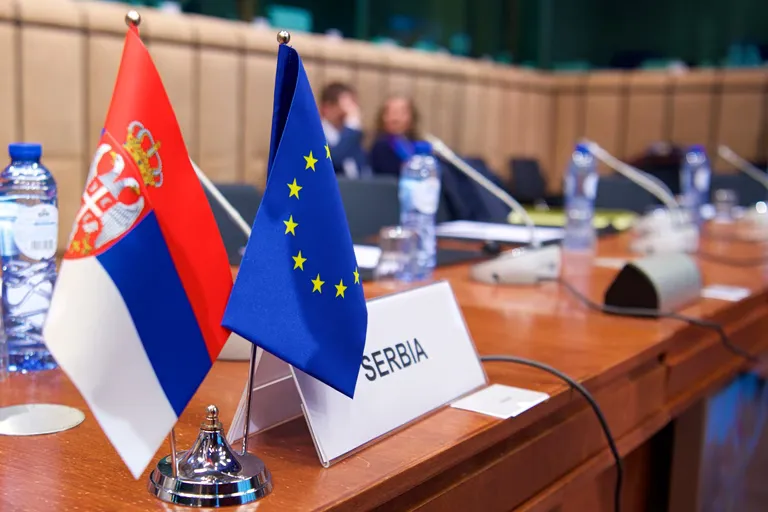
The shift from active engagement to total silence raises questions regarding the evolution of Greek foreign policy priorities. While the 2022 message was characterized by an acknowledgement of shared global interests, the 2026 period is marked by a lack of even the most basic protocol-driven recognition. This absence suggests that the relationship between Athens and Brasilia may be undergoing a period of cooling or, at the very least, a strategic re-prioritization that avoids direct engagement with the current Brazilian administration.
How have European leaders responded to the Lula victory?
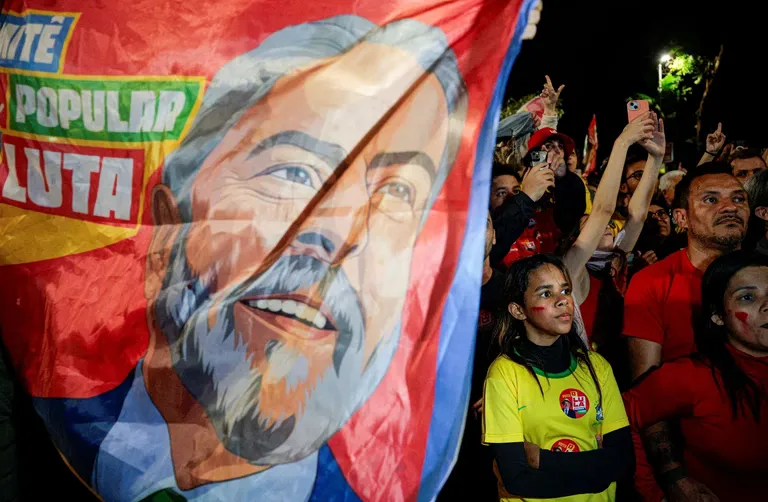
European leaders have provided a robust and warm reception to Lula's re-election, emphasizing the importance of the Brazil-EU partnership. Unlike the Greek response, the European Commission and major EU powers have moved quickly to reinforce ties based on shared values and economic interests.
Ursula von der Leyen, President of the European Commission, described Lula as a "friend" and emphasized that democracy and multilateralism had emerged victorious in Brazil. Her message underscored the importance of a rules-based global order and the necessity of working closely on climate ambitions. Similarly, French President Emmanuel Macron called for the friendship between France and Brazil to be placed at the service of a "more just world."
The German response was also notable for its breadth. German Chancellor Friedrich Merz offered congratulations regardless of political or ideological differences, framing the victory as a win for democracy. These collective responses highlight a European consensus that Brazil is a critical partner for the continent, particularly regarding trade and environmental stability.
Why is the Greek government maintaining diplomatic silence?
The silence from Athens is widely interpreted as a reflection of domestic political dynamics rather than a shift in geopolitical necessity. While Brazil's role in global challenges like climate change remains as critical as ever, the Greek Prime Minister's ability to engage with a leftist leader appears to be constrained by internal pressures.
Political analysts suggest that the pressures faced by Kyriakos Mitsotakis from the right-wing elements of the Greek political spectrum may prevent him from issuing even a standard congratulatory note to a leader of the left. This domestic tension creates a dilemma where traditional diplomatic protocols are sacrificed to maintain political alignment with domestic constituencies. The silence is likely not a result of changing global dynamics or a delay in communication, but rather a calculated avoidance of political friction within Greece.
Domestic political constraints vs. international protocol
In international diplomacy, the failure to issue even a formal, neutral congratulation is rare. Typically, such omissions are reserved for instances of extreme tension or a deliberate attempt to signal disapproval. In the case of Greece and Brazil, the hesitation seems to stem from the need to balance international standing with the demands of a polarized domestic electorate. By remaining silent, the administration avoids the potential backlash from right-leaning supporters who may view any engagement with Lula as an ideological compromise.
What is the impact of Brazil's role on global challenges?
Despite the diplomatic friction in Athens, the functional importance of Brazil in the global arena remains unchanged. The issues identified by the Greek Prime Minister in 2022—climate change, food security, and trade—continue to be the pillars of Brazil's international relevance.
- Climate Change: As the custodian of the Amazon, Brazil's environmental policies are central to global efforts to mitigate carbon emissions and preserve biodiversity.
- Food Security: Brazil is a leading global exporter of agricultural commodities, making its production levels and trade policies vital to the stability of the global food supply.
- Global Trade: The country's role in international trade networks and its position within multilateral organizations make it a key player in shaping the rules of the global economy.
The European Union's approach, characterized by von der Leyen and Macron, seeks to leverage these areas to build a more stable and rules-based international order. The divergence between the EU's proactive engagement and Greece's silence illustrates how domestic politics can occasionally decouple a nation's diplomatic actions from the broader realities of global interdependence.
Frequently asked questions
Why did Kyriakos Mitsotakis congratulate Lula in 2022 but not in 2026?
In 2022, the Greek Prime Minister sought to acknowledge Brazil's importance in global issues like climate change. In 2026, however, domestic political pressures from the right-wing in Greece appear to have prevented him from issuing even a standard, formal congratulation to the leftist leader.
What was the reaction of the European Commission to the election?
Ursula von der Leyen, President of the European Commission, congratulated Lula, calling him a friend. She emphasized that the victory was a win for democracy and multilateralism, and she expressed a commitment to working together on climate change and a rules-based global order.
How did France respond to the Brazilian election results?
French President Emmanuel Macron offered his congratulations to Lula and invited him to use the friendship between France and Brazil to help build a more equitable world. His response focused on strengthening bilateral ties for the benefit of the international community.
Is Brazil's role in global issues still significant?
Yes, Brazil remains a critical player in addressing global challenges. Its leadership in environmental protection, particularly regarding the Amazon, its massive role in global food security through agricultural exports, and its influence in international trade are all essential components of global stability.
Does the German government support the Brazilian election outcome?
Germany, represented by Chancellor Friedrich Merz, provided congratulations to Lula. Merz emphasized that the victory represented a win for democracy and multilateralism, regardless of ideological differences, and noted that the partnership between Europe and Brazil is thriving.
Key takeaways
- The Greek Prime Minister has maintained a notable silence regarding Lula's 2026 re-election.
- This contrasts with his 2022 proactive stance on Brazil's role in global challenges.
- EU leaders, including von der Leyen and Macron, have offered warm congratulations.
- Domestic political pressures in Greece are cited as a likely reason for the silence.
- Brazil remains central to global climate, food security, and trade discussions.
Synthesis and perspective
The diplomatic divergence between Greece and the rest of the European Union regarding Brazil's 2026 election highlights the tension between international protocol and domestic political survival. While the European Commission and major powers like France and Germany have moved to solidify partnerships based on shared global interests, the Greek administration's silence suggests that internal ideological alignments can override traditional diplomatic engagement. As Brazil continues to navigate its role in climate change and global trade, the ability of nations to engage with its leadership—regardless of domestic political leanings—will remain a critical factor in the effectiveness of multilateralism.