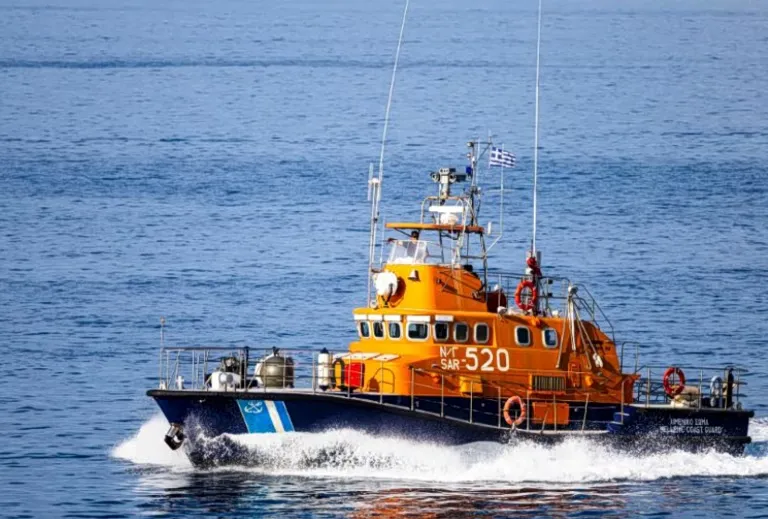
What are the technical specifications of the new patrol vessels?
The new MAGNAR 1950 patrol boats are designed for high-speed response and versatile maritime operations. Each vessel will measure 21.29 meters in length and is engineered to reach speeds of at least 50 knots. To ensure effective long-range patrolling, the boats feature a minimum operational range of 320 nautical miles.
In terms of capacity and crew requirements, the vessels are structured as follows:
- Crew Complement: Each boat will be operated by a specialized six-member crew.
- Passenger Capacity: The vessels can accommodate a total of at least 30 people.
- Technological Integration: The boats will be outfitted with advanced navigation and communication systems specifically tailored for search-and-rescue (SAR) missions.
Beyond border security, these vessels are intended to play a critical role in monitoring fishing activities and combating various forms of illegal maritime conduct. The high-speed capability is essential for responding to rapid developments in the Aegean and other sensitive maritime zones.
How will this contract impact the Greek shipbuilding industry?
The contract has been awarded to Viking Life-Saving Equipment Hellas, which will manufacture all seven vessels at its production facilities located in Thebes, northwest of Athens. This decision ensures that the €23.8 million investment directly supports the domestic economy and strengthens the national industrial base.
Minister of Maritime Affairs and Insular Policy Vassilis Kikilias emphasized that domestic production is a cornerstone of Greece's long-term maritime strategy. By utilizing local shipyards, the government aims to foster self-sufficiency in maritime equipment production. According to Minister Kikilias, developing a robust shipbuilding industry is a necessary condition for maintaining operational capability in an era of geopolitical uncertainty.
Strategic importance for local industry
Ioannis Georgiadis, representing Viking Life-Saving Equipment Hellas, noted that the project serves as a strategic investment in Greek expertise. The construction process in Thebes is expected to generate employment, facilitate the development of new technical skills, and reinforce the country's overall manufacturing capacity for specialized maritime hardware.
What is the scope of the Hellenic Coast Guard modernization?
The acquisition of these seven vessels is part of a much larger, multi-faceted modernization program for the Hellenic Coast Guard. Minister Kikilias indicated that the ministry is pursuing several other technological upgrades to ensure the force can meet evolving maritime challenges.
The broader modernization strategy includes several key components:
- Advanced Technology Tenders: The ministry is engaging in procurement processes for artificial intelligence (AI), drone technology, and advanced sensor systems.
- Infrastructure Upgrades: Significant investment is being directed toward new command and control structures, including the proposed Coast Guard operations center, known as KEPIX.
- System Integration: Tenders are also underway for the implementation of ESOTHE and VTMS (Vessel Traffic Management Systems) to improve maritime situational awareness.
This holistic approach aims to transition the Coast Guard from traditional patrolling methods to a technology-driven force capable of managing complex border security and environmental protection tasks.
How will the procurement be financed and delivered?
The €23.8 million procurement is funded through Greece’s Public Investment Development Program. Specifically, the project is co-financed under the "Fisheries, Aquaculture and Sea 2021–2027" program, aligning maritime security with broader European and national maritime development goals.
The delivery timeline is designed to provide a steady increase in operational capacity. Minister Kikilias has requested strict adherence to delivery schedules, with the first vessels expected to arrive in successive waves within a window of six to 12 months. Furthermore, the contract includes a strategic option for Greece to purchase up to seven additional MAGNAR 1950 vessels, which could potentially double the size of this specific fleet to 14 boats.
Warranty and operational guarantees
To protect the public investment, the contract includes a comprehensive warranty period. The vessels are guaranteed for either four years of operation or 6,000 operating hours of the main engines, whichever occurs first. All maintenance and repairs covered under this warranty will be performed at no additional cost to the Hellenic Coast Guard, ensuring long-term fiscal predictability for the ministry.
FAQ: Greece Coast Guard patrol vessels
Which company is building the new patrol boats?
Viking Life-Saving Equipment Hellas is responsible for the construction of the seven new MAGNAR 1950 vessels. The manufacturing process will take place entirely within Greece at the company's facilities located in Thebes, northwest of Athens, supporting the domestic shipbuilding sector.
What is the total cost of the new vessel contract?
The contract for the seven high-speed patrol boats is valued at €23.8 million. This investment is financed through the Public Investment Development Program and is co-financed via the "Fisheries, Aquaculture and Sea 2021–2027" program to bolster maritime security and surveillance.
How fast can the new MAGNAR 1950 vessels travel?
The new patrol boats are designed for high-speed maritime responses, capable of reaching speeds of at least 50 knots. This speed, combined with a range of at least 320 nautical miles, allows the Coast Guard to respond effectively to various emergencies and surveillance tasks.
Are there plans to buy more vessels in the future?
Yes, the current contract includes a strategic option for the Greek government to acquire up to seven additional vessels of the same MAGNAR 1950 type. If exercised, this would bring the total number of new patrol boats from this specific procurement to 14.
What is the primary purpose of these new boats?
The primary purposes include strengthening maritime border surveillance, enhancing search-and-rescue operations, and monitoring fishing activities. The vessels are also intended to combat illegal maritime activities and provide the Coast Guard with the tools necessary to manage regional geopolitical instability.
Key takeaways
- Greece has signed a €23.8 million contract for seven high-speed MAGNAR 1950 patrol vessels.
- All seven vessels will be built domestically by Viking Life-Saving Equipment Hellas in Thebes.
- The boats feature speeds of at least 50 knots and a range of 320 nautical miles.
- The procurement is part of a wider modernization involving AI, drones, and new operations centers.
- A contract option exists to purchase seven additional vessels, totaling 14 boats.
Conclusion
The procurement of seven MAGNAR 1950 patrol vessels represents a significant step in the Hellenic Coast Guard's ongoing modernization efforts. By investing €23.8 million in domestically produced, high-speed technology, Greece is addressing the dual needs of enhanced maritime security and industrial growth. The integration of these vessels, alongside upcoming AI and drone technologies, will provide the Coast Guard with the necessary capabilities to manage complex border surveillance and search-and-rescue missions. Ultimately, this strategic investment strengthens both national maritime safety and the resilience of the Greek shipbuilding industry in an increasingly unstable geopolitical environment.