How did the 2026 election results unfold?
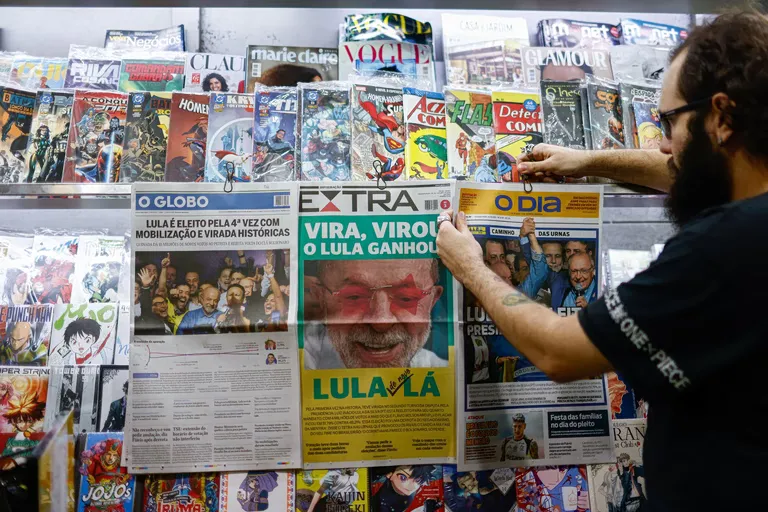
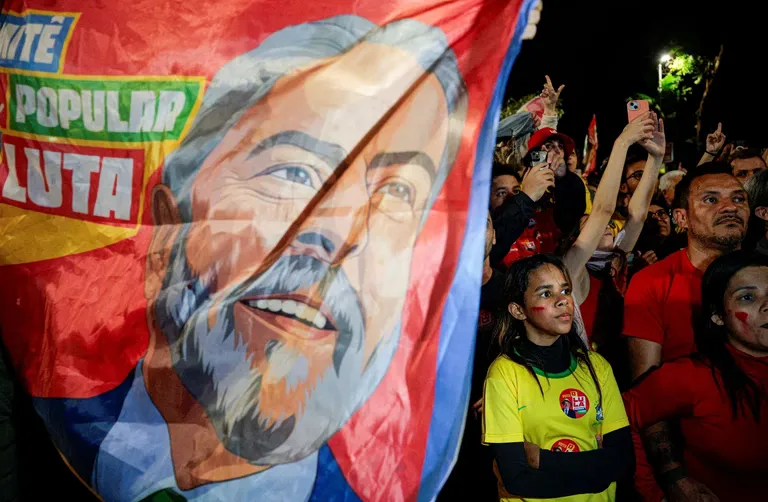
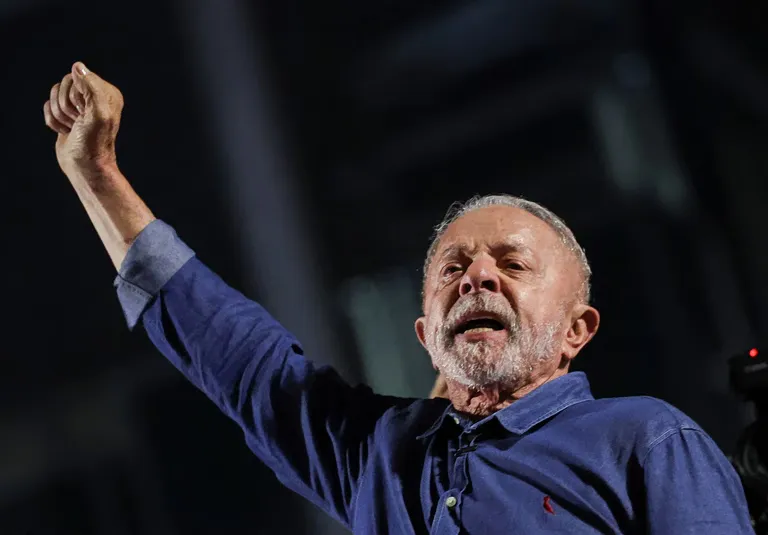
Luiz Inácio Lula da Silva secured his comeback by winning 51.79% of the total votes, representing 64.25 million citizens. His opponent, 45-year-old Senator Flávio Bolsonaro, representing the far-right political lineage, received 48.21% of the vote, totaling 59.82 million. The margin of victory stood at 4.43 million votes.
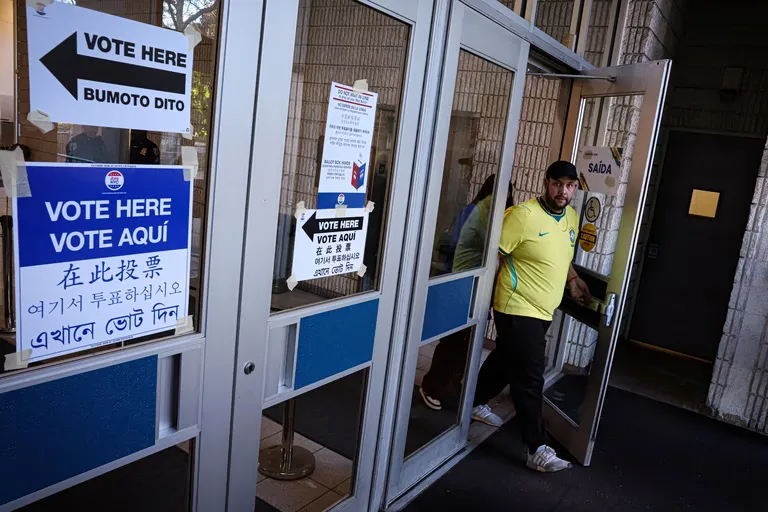
The election process was marked by several logistical and procedural complexities. Voting was extended by two hours following a judicial order, a move supported by Lula to address public transport issues and movement restrictions in certain municipalities. This extension, combined with high voter engagement, played a critical role in the final tally.
Voter turnout and participation trends
According to Andrei Roman, head of the polling firm AtlasIntel, the reduction in voter abstention was a decisive factor in Lula's success. While it is estimated that 33.4 million Brazilians did not vote in the first round on October 4, the mobilization for the runoff helped narrow the gap. This surge in participation stands in contrast to the first round, where abstention reached approximately 21% of the electorate—the highest level seen in general elections since 1998.
What are the immediate political challenges for the Lula administration?
Lula enters his fourth term facing a profoundly divided legislature and a fragmented political landscape. Although he has secured a mandate, the political machinery in Brasília remains heavily weighted against him. The Liberal Party (PL), associated with the Bolsonaro family, maintains a historically high parliamentary majority, which will complicate the passage of any significant legislative agenda.
Furthermore, the influence of the far-right extends beyond the halls of Congress. The opposition maintains the capacity to shape the composition of the Supreme Court through judicial appointments, creating a long-term structural check on the executive branch. This institutional friction suggests that Lula's ability to govern will depend more on negotiation than on unilateral decree.
How will international relations and US influence impact Brazil?
The geopolitical environment surrounding Brazil is increasingly complex, as the country is largely surrounded by nations with opposing ideological alignments, with Uruguay being a notable exception. A central tension in Lula's foreign policy will be managing the influence of the United States, particularly under the administration of Donald Trump.
The Bolsonaro family has long enjoyed the support of the Trump administration, and tensions have already surfaced regarding foreign interference. During his campaign, Lula emphasized the need to defend Brazilian sovereignty and resist external pressures. He specifically cited Trump's aggressive tariff policies and public comments regarding the trial of Jair Bolsonaro as evidence of foreign meddling.
The role of digital platforms and foreign pressure
Lula has been vocal about the impact of digital platforms on the democratic process. In his victory speech in São Paulo, he claimed that the election was a victory against "external interference" and the influence of digital platforms, noting that social media services like Instagram and WhatsApp had shown a preference for Flávio Bolsonaro. This tension is exacerbated by the fact that many major social media companies are headquartered in the United States, leading to accusations of censorship and political bias during the campaign cycle.
What economic obstacles must the government overcome?
Despite recent periods of economic growth that exceeded expectations, the Brazilian economy faces structural vulnerabilities that could undermine Lula's fourth term. The most pressing concern is the rising trajectory of public debt, which has become a focal point for fiscal hawks and international markets.
During Lula's current tenure, the national public debt has increased by more than 10 percentage points, now exceeding 82% of the country's GDP. This rise has directly contributed to higher borrowing costs for the nation. The primary driver of this debt accumulation is the long-term increase in mandatory government spending, which has severely restricted the federal budget's flexibility.
Fiscal policy and the budget dilemma
The government currently operates with a very narrow margin for fiscal adjustment, as the capacity to modify the federal budget is limited to less than 8%. Lula has provided conflicting signals regarding his approach to these fiscal realities. At various points, he has dismissed concerns regarding the debt as "nonsense," arguing that robust economic growth will eventually resolve the imbalance. However, his administration has also expressed a commitment to maintaining existing fiscal rules, which impose strict ceilings on spending increases and set specific targets for the primary fiscal balance.
FAQ: Lula victory Brazil 2026
What was the final vote count in the 2026 election?
Lula da Silva won the runoff with 51.79% of the vote, totaling 64.25 million votes. Flávio Bolsonaro received 48.21%, which equates to 59.82 million votes. The difference between the two candidates was 4.43 million votes.
Is Lula the first president to win after a first-round loss?
Yes, Lula is the first president in Brazilian history to successfully win an election after having been defeated in the first round. This achievement places him in a unique historical position alongside figures like Emperor Pedro II and Getúlio Vargas.
Why did Flávio Bolsonaro refuse to recognize the results?
Flávio Bolsonaro declared it "impossible to recognize the result" during a press conference in Brasília shortly after the votes were tallied. His refusal to concede comes amid a highly polarized climate and accusations of digital interference during the campaign.
How has public debt affected the Brazilian economy?
Public debt has risen by over 10 percentage points during Lula's current term, surpassing 82% of the GDP. This increase has raised the cost of borrowing and limited the government's ability to adjust the federal budget due to high mandatory spending.
What role did social media play in the election?
Lula acknowledged the significant role of social media, specifically mentioning Instagram and WhatsApp. He argued that these platforms had influenced the outcome in favor of his opponent, characterizing his victory as a win against the "interference" of digital platforms.
Key takeaways
- Lula secured 51.79% of the vote, defeating Flávio Bolsonaro's 48.21% in a historic runoff.
- The victory marks the first time a Brazilian leader has reclaimed the presidency after a first-round loss.
- Brazil faces significant fiscal pressure, with public debt exceeding 82% of the national GDP.
- The political landscape remains deeply divided, with the far-right PL holding a strong parliamentary majority.
The path forward for Brazil
Lula's return to power arrives at a moment of profound transition for Brazil. While the victory is a celebration of democratic resilience for his supporters, it also highlights the deep fissures within the nation. To succeed, the administration must navigate a hostile Congress, manage a mounting debt crisis, and maintain sovereignty in an era of intense international political pressure. The coming years will determine whether Lula can translate his electoral mandate into stable, long-term governance for a polarized country.