How did Lula's election campaign leverage US relations?
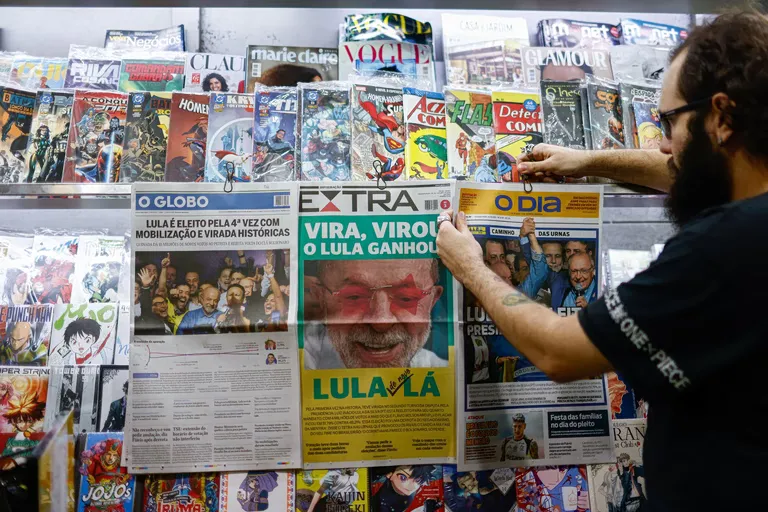
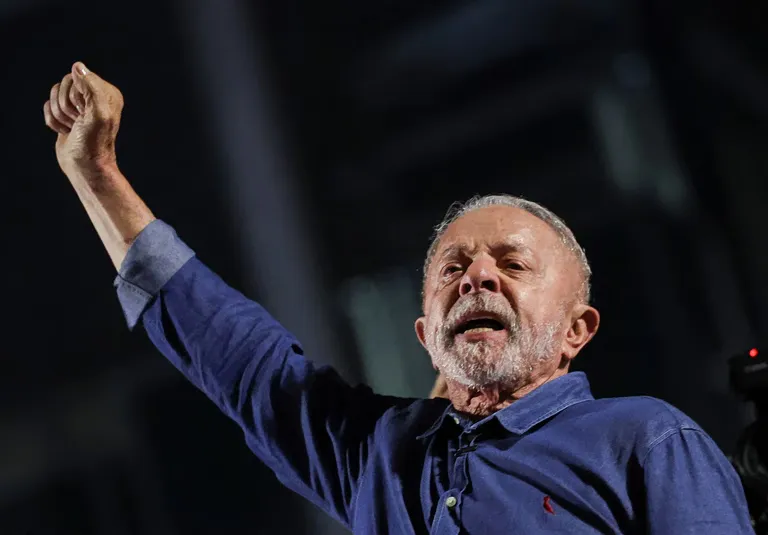
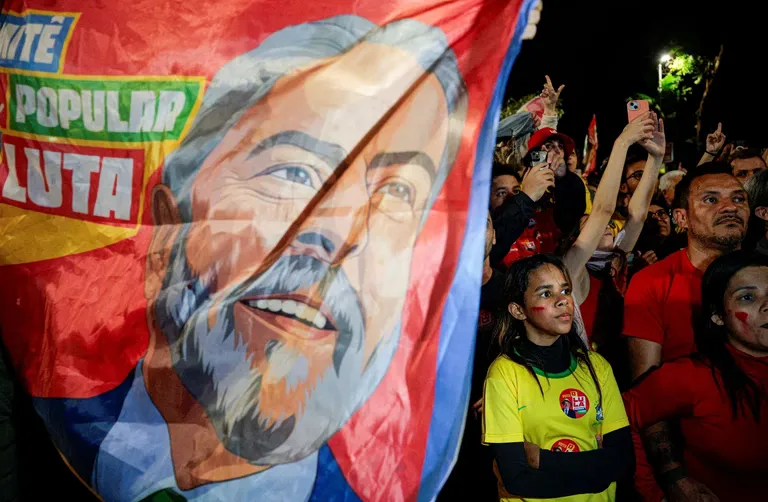
Lula da Silva utilized opposition to American interventionism as a cornerstone of his successful reelection campaign. By framing the election as a struggle for national sovereignty, the social democrat successfully mobilized voters against perceived external pressures from Washington. This strategy was particularly effective in countering the influence of the Bolsonaro family, who frequently aligned themselves with US interests.
During the campaign, Lula adopted highly symbolic gestures to reinforce this nationalist stance. He famously wore a blue hat emblazoned with the slogan "Brazil belongs to Brazilians," a direct message to both domestic opponents and foreign powers. This approach allowed him to reclaim the mantle of patriotism, a territory traditionally held by the Brazilian right wing. Even sectors of the powerful agricultural lobby, which typically support conservative candidates due to their reliance on US trade, found common ground with Lula's stance against punitive American tariffs.
The role of digital mobilization
The campaign also demonstrated a sophisticated approach to bypassing digital barriers. Facing allegations that Meta's algorithms favored his opponent, Flávio Bolsonaro, Lula's supporters utilized massive WhatsApp groups—one containing 10 million members—to disseminate messages and circumvent potential content restrictions. This grassroots digital mobilization proved essential in maintaining momentum despite technological challenges.
What is the impact on Trump's 'Donroe Doctrine'?
The reelection of Lula represents a major setback for Donald Trump's vision of regional hegemony, often referred to as the "Donroe Doctrine." This strategic framework, a portmanteau of the Monroe Doctrine and Donald Trump, aims to consolidate US influence across the Western Hemisphere by building alliances with right-wing governments. While countries like Argentina, Chile, Colombia, Ecuador, and Peru have elected leaders aligned with Trump, Brazil's pivot creates a significant ideological and political gap in this regional architecture.
According to Christopher Sabatini, a researcher for Latin America at Chatham House, Trump viewed Brazil as a primary objective for his regional influence. The loss of Brazil as a potential partner in the "Shield of Americas" alliance—a coalition designed to combat drug trafficking—weakens the intended cohesion of this US-led initiative. Instead of a unified bloc of allies, the region now faces a bipolar dynamic between US-aligned nations and a Brazil determined to assert its independent role in global affairs.
Why do economic interests create friction between the two nations?
Economic competition and resource security remain critical flashpoints in the evolving US-Brazil relationship. Brazil holds the world's second-largest reserves of rare earth minerals, trailing only China. For the United States, securing preferential access to these minerals is a strategic priority to reduce dependency on Chinese supply chains. Lula's leadership may complicate these efforts if Brazil prioritizes its own industrial sovereignty or seeks diverse international partnerships.
Furthermore, tensions have emerged regarding the digital economy and financial infrastructure. The Trump administration has expressed dissatisfaction with Brazil's Pix system, an instant payment platform that has significantly boosted the Brazilian economy. US policymakers view the widespread adoption of Pix as a threat to the market dominance of American entities like Visa and Mastercard, as it provides a low-cost domestic alternative that reduces transaction volumes for US-based providers.
Will diplomatic tensions resurface in the coming years?
Diplomatic relations are likely to face renewed volatility as Lula begins his new term. Although recent interactions between the two leaders have shown signs of pragmatism—including discussions at the United Nations and a meeting in the Oval Office—underlying disagreements persist. The history of US intervention in Latin America remains a sensitive subject for the Brazilian left, which maintains a long memory of Cold War-era operations conducted by the CIA.
Potential triggers for future conflict include:
- Trade and Tariffs: The recurring use of punitive tariffs by the US as a political tool remains a source of resentment in Brasília.
- Sovereignty Disputes: Previous incidents, such as the US attempting to question Brazil's electoral integrity and the subsequent visa disputes involving State Department officials, highlight a fragile diplomatic foundation.
- Security Policy: Lula's vocal opposition to US military actions in the region and his criticism of the designation of Brazilian criminal organizations as terrorist groups could lead to direct confrontations.
While the current atmosphere may appear stable, the fundamental differences in geopolitical objectives suggest that the relationship will remain transactional rather than deeply cooperative.
FAQ: Lula victory in Brazil
How did the US respond to the election results?
President Donald Trump described the election results as "terrible" and suggested they were "rigged," despite the Brazilian Supreme Electoral Court finding no evidence of irregularities. However, he also expressed a personal liking for Lula, stating "I like Lula, we get along well," indicating a complex, transactional approach.
What is the 'Donroe Doctrine'?
The Donroe Doctrine is a strategic concept used to describe Donald Trump's attempt to assert US dominance in the Western Hemisphere. It combines the historical Monroe Doctrine with Trump's personal brand, aiming to create a network of right-wing allies across Latin America to secure US interests.
Why are rare earth minerals important to this relationship?
Brazil possesses the world's second-largest reserves of rare earth minerals. For the United States, gaining access to these resources is vital for technological security and for reducing reliance on China, making Brazil a key player in the global race for critical minerals.
What role did Meta play in the election?
Lula's campaign accused Meta of favoring Flávio Bolsonaro. While Meta denied intentional bias, the company admitted that technical errors and content management issues led to the accidental removal or limited reach of certain posts, prompting Lula's team to use WhatsApp for mass communication.
How does the Pix system affect US interests?
Pix is Brazil's instant payment system that has driven significant economic growth. The US government views its success as a challenge to the revenue of American financial giants like Visa and Mastercard, creating a point of economic friction between the two nations.
Key takeaways
- Lula's victory disrupts Trump's "Donroe Doctrine" aimed at regional US hegemony.
- Brazil's rare earth mineral reserves are a critical strategic interest for the US.
- Lula used nationalist rhetoric and digital tools like WhatsApp to win the election.
- Economic tensions persist over Brazil's Pix payment system and US tariffs.