What is the scope of the proposed fireworks ban?
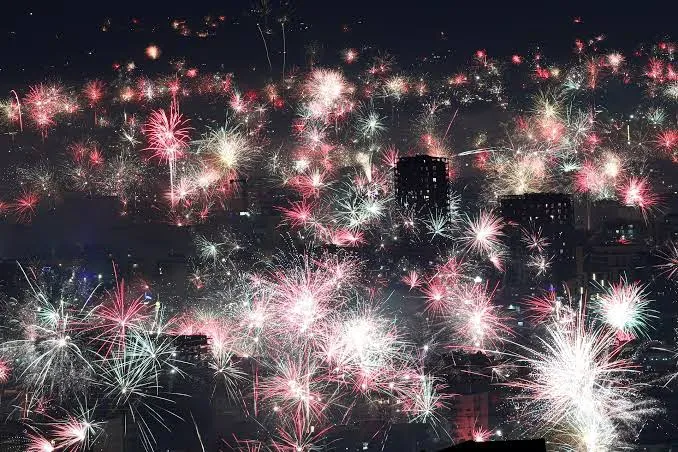
The proposed initiative does not seek a total prohibition of all pyrotechnic displays but rather a significant restriction on the most disruptive types. The primary mechanism is a ban on the sale of particularly loud and annoying fireworks for use in private settings. This measure aims to curb the noise and pollution generated by private celebrations while maintaining certain traditions.
Permitted alternatives and local exceptions
Under the current proposal, quieter alternatives such as hand-held sparklers or "volcano" style fireworks would remain legal. Furthermore, the initiative includes provisions for cantons—Switzerland's regional administrative districts—to grant exceptions for events of "supra-local importance." This ensures that major national celebrations, such as the Swiss National Day on August 1st or New Year's Eve festivities, can continue, provided there is an emphasis on selecting quieter pyrotechnic options.
Currently, the regulation of fireworks is fragmented. Cantons and municipalities already possess the authority to limit or ban the sale and use of pyrotechnics at a local level. Existing laws also dictate age limits and specific licensing requirements for certain types of explosives. The goal of the new initiative, titled "For the Limitation of Fireworks," is to establish a clear, uniform standard that applies across the entire country, replacing the current patchwork of local regulations.
How do fireworks impact the Swiss environment?
The environmental consequences of pyrotechnic use are significant, involving both air quality degradation and physical waste. According to the Federal Office for the Environment (FOEN), Switzerland uses between 1,000 and 2,000 tonnes of fireworks annually. A substantial portion of this—approximately three-quarters—consists of packaging material that contributes to littering.
Beyond physical waste, the chemical impact on the atmosphere is measurable. The Federal Police Agency reports that these displays generate between 200 and 400 tonnes of particulate matter every year. According to FOEN, this amount accounts for roughly 2% to 3% of the country's total annual particulate emissions. These particles are often rich in toxic metals derived from gunpowder and various coloring agents used to create visual effects.
The health implications of these emissions are a primary concern for proponents of the ban. These fine particles can be inhaled, posing risks to human health, particularly for vulnerable populations with underlying respiratory or cardiovascular conditions. Weather patterns can exacerbate these risks; for instance, fog can trap particles in the atmosphere for extended periods, while heat and drought increase the secondary risk of accidental fires caused by pyrotechnics.
Why is animal welfare a central argument for the ban?
Animal protection organizations, led by Schweizer Tierschutz (STS), argue that fireworks represent a source of acute stress rather than a celebration. The sudden, high-intensity noise associated with explosions can trigger severe physiological and psychological responses in animals. For domestic pets, farm animals, and wildlife, these events are often perceived as direct threats.
The STS emphasizes that the consequences of these noise disturbances range from flight tendencies and acute stress to physical injury or even death. Veterinary experts have highlighted that animals perceive high-frequency sounds and loud booms much more intensely than humans do. This sensory overload can lead to dangerous situations, such as horses running uncontrollably in open pastures or pets panicking in densely populated urban areas.
The reality for domestic pets
The impact on millions of pets living in Switzerland is a significant driver of the initiative's popularity. Veterinarians, such as Maruschka Blaser, have noted that some pet owners find it necessary to administer sedative medication to cats and dogs in the days leading up to major fireworks displays. In extreme cases, families report spending the night in shelters with their animals to mitigate the panic caused by the noise, though even these measures are often insufficient to prevent distress.
What is the political and economic opposition to the initiative?
Despite strong public support, the initiative faces organized opposition from several political and industrial groups. The Swiss People's Party (SVP), "The Centre" (Die Mitte), and the Swiss Association of Professionals have launched campaigns against the measure. Their arguments focus on the preservation of tradition and the protection of economic interests.
Opponents characterize the proposal as a "threat to Swiss tradition" and an infringement on the personal freedoms of citizens. The Swiss Fireworks Coordination Office (SFK) has been vocal in its criticism, suggesting that the initiative promotes a "culture of bans" that could eventually extend to other aspects of public life. Furthermore, there is a concern regarding the economic impact on businesses that rely on the sale and use of pyrotechnic products.
A key political argument is that the regulation of fireworks should remain a cantonal matter rather than being centralized at the federal level. Critics argue that the current system allows for local flexibility that meets the specific needs of different regions, and that a national mandate is an unnecessary overreach of federal authority.
How does the Swiss system facilitate such a vote?
The upcoming vote is a classic example of Switzerland's system of direct democracy. In the Swiss political model, any citizen or organized group can launch a popular initiative if they successfully collect 100,000 valid signatures from eligible voters. This proposal, which was originally submitted in 2023, surpassed this threshold by collecting more than 137,000 signatures.
The process typically follows a structured path: after the signatures are verified, the initiative is presented to the public. In this instance, a counter-proposal was submitted during the summer of 2026, but because it failed to gain sufficient traction, the issue has been referred directly to a national referendum. This allows the Swiss electorate to decide on the matter directly, bypassing the legislative stalemate that can sometimes occur in parliamentary bodies.
Frequently asked questions
Will the ban prohibit all fireworks in Switzerland?
No, the initiative does not call for a total ban. It focuses on restricting the sale and use of particularly loud and disruptive pyrotechnics in private settings. Quieter alternatives, such as hand-held sparklers and "volcano" fireworks, would remain permitted for public and private use.
Can local authorities still make exceptions?
Yes, the proposal allows Swiss cantons to grant exceptions for events of supra-local significance. This includes major celebrations like the Swiss National Day on August 1st and New Year's Eve, though the initiative encourages these events to prioritize quieter pyrotechnic options.
What is the environmental impact of fireworks?
Fireworks contribute to air and water pollution by releasing 200 to 400 tonnes of particulate matter annually in Switzerland. This represents 2% to 3% of the nation's total particulate emissions. Additionally, they generate significant physical waste, with packaging making up about 75% of the total weight used.
Why do animal rights groups support the ban?
Animal welfare organizations like STS argue that the sudden noise of fireworks causes fear, panic, and disorientation in animals. This can lead to acute stress, injuries, or death, particularly in horses and domestic pets who are more sensitive to high-frequency sounds.
Who is opposing the fireworks ban?
Opposition comes from the Swiss People's Party, "The Centre," and the Swiss Association of Professionals. They argue that the ban threatens Swiss traditions, infringes on personal freedoms, and could negatively impact businesses and promote a broader culture of prohibition.
Key takeaways
- The Swiss fireworks ban referendum will be held on November 29, 2026.
- A recent poll shows 69% of voters support the restriction of loud fireworks.
- Fireworks contribute 2% to 3% of Switzerland's annual particulate matter emissions.
- The initiative seeks to regulate private use while allowing cantonal exceptions for major holidays.
- Opponents argue the ban threatens Swiss traditions and personal liberties.
Conclusion
The upcoming referendum represents a significant moment for Swiss direct democracy, pitting traditional celebrations against modern concerns for environmental health and animal welfare. While the initiative enjoys high public approval and strong backing from environmental and animal rights groups, it faces determined resistance from political parties and industry representatives who fear an erosion of personal freedom. The final decision will not only determine how Switzerland celebrates its national holidays but will also set a precedent for how the country balances cultural customs with the growing necessity of mitigating noise and chemical pollution.