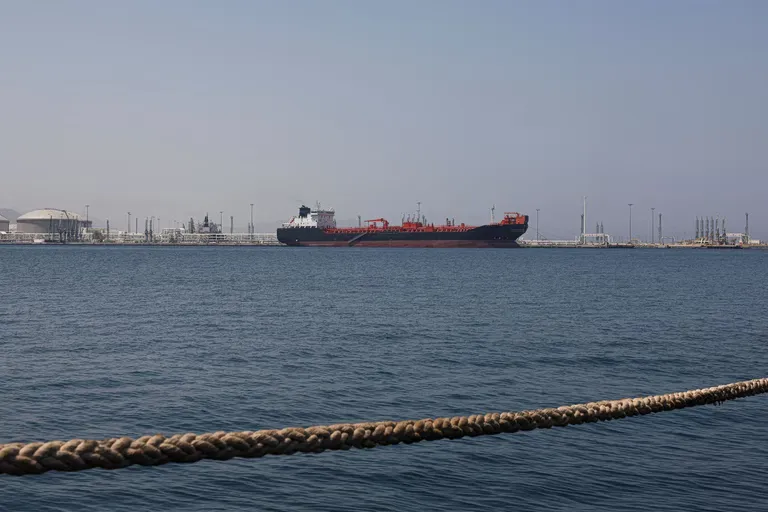
What happened during the UAE oil spill?
A tanker oil spill has been detected by the technical monitoring and environmental assessment systems of the United Arab Emirates, specifically impacting the coastlines of the Umm Al Quwain emirate. The leak was identified after residents in several neighboring emirates began reporting unusual smells in the air.
According to the Ministry of Climate Change and Environment (MOCCAE) in October 2026, the presence of these odors was noted in Sharjah, Ajman, and Umm Al Quwain. Despite the olfactory impact, the Ministry has issued assurances that the situation does not pose a serious health risk to the local population. The detection of the spill was made possible through the nation's automated environmental monitoring infrastructure, which is designed to trigger immediate responses to maritime pollutants.
The scale of the olfactory impact
The spread of the scent across Sharjah and Ajman indicates that the spill or the resulting volatile organic compounds are moving with coastal winds or currents. While the physical oil may be concentrated near Umm Al Quwain, the atmospheric presence of the spill's scent has created a regional awareness of the incident.
How are authorities responding to the leak?
Immediate containment and remediation efforts are currently underway, involving coordination between local and federal authorities to mitigate the environmental damage. The Ministry of Climate Change and Environment has deployed specialized technical teams to manage the crisis through a multi-stage response plan.
The response strategy focuses on four primary pillars: containment, cordoning, cleanup, and remediation. Technical teams are working to prevent the oil from spreading further into sensitive marine ecosystems. To ensure public safety and facilitate these operations, the authorities have implemented the following measures:
- Coastal Closures: All beaches and coastal zones within the Umm Al Quwain emirate have been temporarily closed to the public.
- Technical Assessments: Ongoing surveys are being conducted to gauge the precise extent of the environmental impact.
- Safety Protocols: Closures will remain in effect until technical teams complete their evaluations and establish necessary marine protection measures.
The Ministry has emphasized that these closures are precautionary, intended to allow for unhindered access for cleanup crews and to prevent accidental exposure to potentially contaminated waters.
What is the impact on local maritime activities?
Fishermen and other sea users face significant restrictions as a direct result of the spill and the subsequent safety cordons. The Ministry has issued urgent warnings to those who rely on the sea for their livelihoods or recreation to strictly follow the instructions provided by local authorities.
Specifically, there is a directive to avoid fishing in the affected areas. This measure serves two purposes: protecting the food chain from potentially contaminated seafood and ensuring that fishing vessels do not interfere with the containment and cleanup operations. The duration of these restrictions remains uncertain, as they are tied to the completion of the environmental assessment and the determination of when the water quality returns to safe levels.
How is the marine environment being protected?
Precautionary coastal surveys and continuous monitoring are being utilized to protect the marine environment from long-term damage. The Ministry is employing a data-driven approach to understand how the oil interacts with the local ecosystem.
Environmental protection efforts are focused on identifying the most vulnerable habitats near the Umm Al Quwain coast. By using continuous monitoring, the technical teams can adjust their remediation strategies in real-time based on the movement of the oil slick and the changing conditions of the sea. The goal is to minimize the ecological footprint of the tanker leak and ensure the rapid restoration of the coastal waters.
Managing environmental risks
The primary concern for the Ministry is the potential for the oil to reach sensitive mangroves or coral areas, which are common in the Gulf region. The remediation phase involves not just the physical removal of oil, but also the long-term monitoring of water and sediment quality to ensure that no toxic residues remain that could harm marine life.
Frequently asked questions
Is the oil spill a danger to human health?
There is no serious health risk to residents according to the Ministry of Climate Change and Environment. While unusual odors have been reported in Sharjah, Ajman, and Umm Al Quwain, the official assessment indicates that the air and water quality do not currently threaten public health.
Which areas are currently closed due to the spill?
All beaches and coastal areas within the emirate of Umm Al Quwain have been temporarily closed. These closures are part of a precautionary measure to allow technical teams to conduct assessments and implement safety and marine protection protocols without interference.
Can I still go fishing in the affected regions?
No, fishermen and sea users are urged to avoid fishing in the affected areas. This instruction is part of the official safety measures to prevent the consumption of potentially contaminated fish and to ensure the safety of maritime activities during the cleanup.
How did the UAE detect the oil leak?
The leak was identified through the UAE’s technical monitoring and environmental assessment system. This specialized infrastructure is designed to detect changes in the marine environment and alert the Ministry of Climate Change and Environment to potential pollution events like this tanker spill.
What should I do if I smell oil in the air?
Residents should rely on official government channels for updates and avoid spreading rumors. The Ministry advises following the instructions of local authorities and staying informed through verified news sources regarding the progress of the containment and remediation efforts.
Key takeaways
- A tanker oil spill has been detected near the coast of Umm Al Quwain.
- All Umm Al Quwain beaches and coastal zones are temporarily closed to the public.
- Unusual odors have been reported in Sharjah, Ajman, and Umm Al Quwain.
- Authorities confirm there is no serious health risk to the local population.
- Fishermen are strictly advised to avoid fishing in the affected coastal areas.
Conclusion
The oil spill near Umm Al Quwain represents a significant environmental challenge that requires coordinated federal and local action. While the Ministry of Climate Change and Environment has mitigated immediate health concerns, the temporary closure of coastal areas and the restrictions on fishing highlight the seriousness of the maritime incident. As technical teams continue their containment and remediation efforts, the focus remains on protecting the delicate marine ecosystem of the UAE. The ability of the country's monitoring systems to detect the leak quickly has allowed for a rapid response, which is critical in minimizing the long-term ecological impact of the tanker spill.