How did the final debate shape the economic narrative?
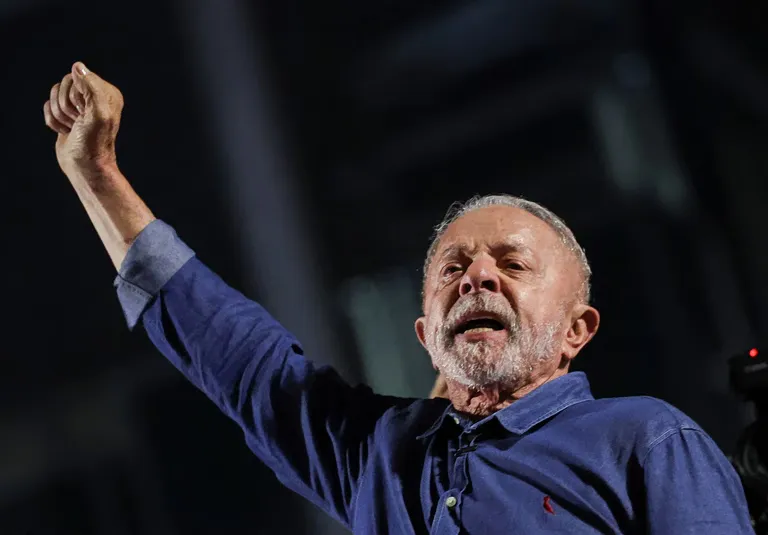
The final televised debate between Luiz Inácio Lula da Silva and Flavio Bolsonaro focused heavily on the cost of living, social welfare, and corruption allegations. As the two candidates prepare for the runoff this Sunday, the central tension remains the economic stability of the nation and the immediate needs of the Brazilian populace. According to Reuters, the primary objective for both campaigns is to capture the undecided voters in what is currently a highly polarized and neck-and-neck electoral contest.
Lula, seeking a fourth term, anchored his platform on the success of his administration's wage policies. He argued that his government's minimum wage increases have consistently outpaced inflation, effectively lifting millions of Brazilians out of hunger. In contrast, Flavio Bolsonaro centered his critique on the rising prices of essential goods. He contended that food costs surged during Lula's tenure and criticized recent tax reforms, suggesting that new regulations would disproportionately increase the tax burden on everyday consumers.
The clash over cost of living and social welfare
The debate highlighted a fundamental disagreement regarding the efficacy of state intervention versus market freedom. Lula positioned himself as the protector of the vulnerable, citing social welfare programs as a shield against poverty. Bolsonaro, however, attempted to frame the current administration as disconnected from the struggles of the working class. He utilized personal rhetoric to suggest that the incumbent lives in luxury, far removed from the economic realities faced by the average citizen.
What are the global economic implications of the vote?
The outcome of the Brazil elections 2026 will resonate far beyond South America's borders. As the largest economy in Latin America and the tenth-largest economy globally, Brazil's political direction affects significant international blocs. With a GDP of $2.65 trillion, Brazil holds a pivotal role within MERCOSUR and the BRICS group, which has recently faced scrutiny regarding trade policies and tariffs from the United States.
A victory for either candidate could shift Brazil's alignment in the Global South. The political stability of the country is essential for the continuity of regional trade agreements and the strategic positioning of BRICS nations in a changing global order. The international community is closely watching to see if Brazil will lean further into multilateralism or move toward a more nationalist, market-oriented approach that aligns with certain Western interests.
How is the United States influencing the electoral race?
The involvement of U.S. politics has added a layer of international complexity to the domestic Brazilian contest. U.S. President Donald Trump has expressed clear support for the Bolsonaro family, describing himself as a friend of the former president, Jair Bolsonaro. This connection has translated into active social media engagement, where Trump has publicly endorsed Flavio Bolsonaro, framing the election as a battle for freedom.
Trump's commentary has emphasized the idea that a Bolsonaro victory would represent a significant conservative win for South America and strengthen ties with the United States. This external endorsement serves to galvanize the conservative base in Brazil but also highlights the geopolitical tug-of-war occurring between different ideological spheres. The election is increasingly viewed not just as a domestic choice, but as a litmus test for the influence of American political trends in the Southern Hemisphere.
What personal confrontations defined the debate?
Beyond policy, the debate was marked by intense personal exchanges and symbolic insults. One of the most notable moments involved a comment regarding Lula's physical disability. Bolsonaro suggested that the President provides to the people with one hand but takes away with "nine fingers," a reference to Lula having lost a finger in a factory accident during his youth. This prompted a sharp rebuke from Lula, who demanded an apology for the perceived insult to his dignity.
Bolsonaro did offer a formal apology during the broadcast, stating, "If I offended you by calling you 'nine fingers,' then I sincerely apologize." However, he immediately pivoted back to political criticism, asking the President if he would apologize to the Brazilians suffering from economic insecurity and debt. The tension escalated in the final minutes as both candidates attempted to link their opponents to various corruption scandals, including allegations surrounding Banco Master and pension fraud.
The impact of corruption allegations on voter perception
The closing stages of the debate saw both candidates moving away from structured policy discussions to engage in unmoderated verbal sparring. Lula pressured Bolsonaro regarding alleged connections to a jailed banker, while Bolsonaro countered by bringing up legal issues involving Lula's son. These accusations of corruption and financial impropriety are designed to undermine the moral authority of each candidate, potentially swaying voters who are disillusioned with the political establishment.
What are the final movements before the runoff?
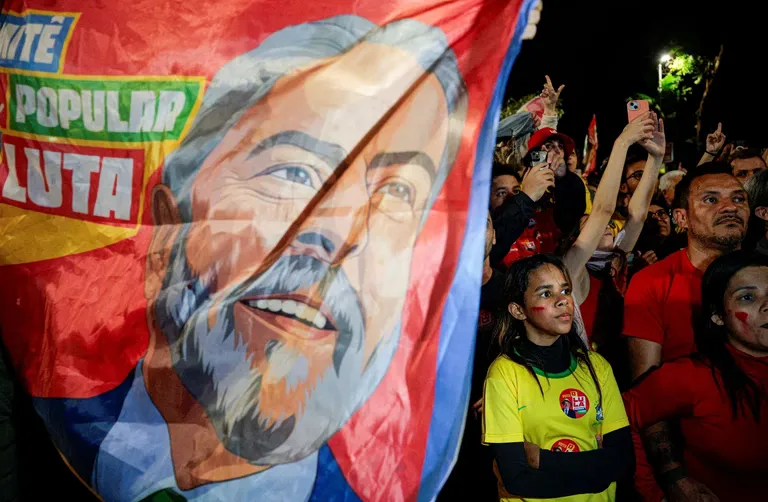
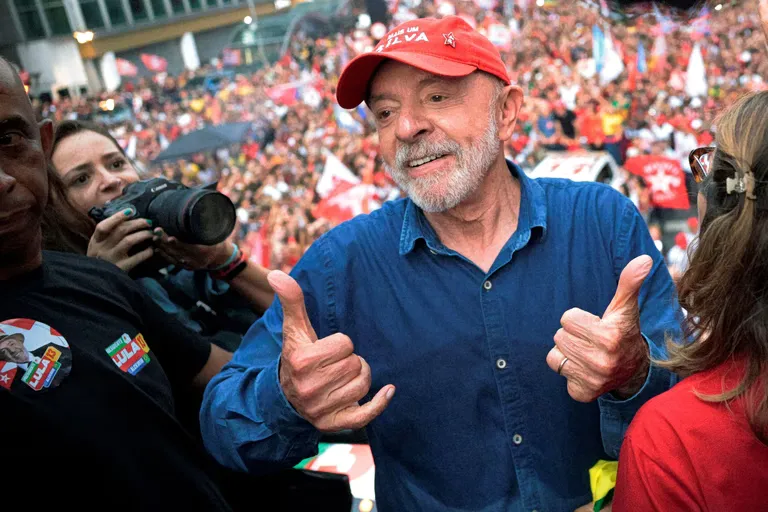
As the electoral law prohibits televised and radio advertising starting on Saturday, the candidates have turned to massive public rallies to mobilize their supporters. Lula da Silva held a significant gathering on the iconic Copacabana beach in Rio de Janeiro, a move intended to project strength and popularity. Meanwhile, Flavio Bolsonaro utilized his supporters to stage an impressive entrance in Belo Horizonte, the third-largest city in southern Brazil.
These final rallies serve as a crucial psychological tool to build momentum and demonstrate the scale of support for each side. With the polls showing the candidates at nearly equal levels, these last-minute demonstrations of mass mobilization could be the deciding factor for the millions of voters who have yet to make a final decision before Sunday's vote.
Frequently asked questions
Who are the main candidates in the 2026 Brazil runoff?
The runoff features incumbent President Luiz Inácio Lula da Silva, representing the left, and Senator Flavio Bolsonaro, representing the right. The election is a direct confrontation between two distinct visions for Brazil's social and economic future, following a competitive first round in October.
What is the economic significance of Brazil in this election?
Brazil is the largest economy in Latin America and the tenth-largest globally, with a GDP of $2.65 trillion. The election outcome will impact regional trade through MERCOSUR and the strategic direction of the BRICS bloc, influencing global economic stability and trade relations.
How has Donald Trump intervened in the Brazilian election?
Donald Trump has used social media to openly support Flavio Bolsonaro, calling him an ally of the United States. Trump has framed the election as a struggle for freedom, suggesting that a Bolsonaro victory would align Brazil more closely with conservative American interests.
What were the key economic arguments used in the debate?
Lula focused on his administration's success in increasing the minimum wage and reducing hunger. Bolsonaro focused on the rising cost of food and criticized recent tax reforms, arguing that they increase the financial burden on Brazilian consumers and the middle class.
Why was the "nine fingers" comment significant?
The comment was a personal jab at Lula's physical disability, referring to the finger he lost in a workplace accident. It led to a heated exchange regarding dignity and respect, forcing Bolsonaro to issue a formal apology during the televised debate.
Key takeaways
- The Brazil elections 2026 runoff is a tight race between Lula and Flavio Bolsonaro.
- Brazil's $2.65 trillion economy plays a vital role in MERCOSUR and the BRICS bloc.
- Donald Trump has publicly endorsed Flavio Bolsonaro, linking the race to U.S. interests.
- Economic issues, specifically inflation and the cost of living, dominated the final debate.
- The outcome will be determined by undecided voters in a highly polarized environment.
Conclusion
The 2026 Brazilian presidential runoff represents a critical juncture for both the nation and the broader international community. The intense debate between Lula and Bolsonaro has highlighted a country deeply divided over economic management, social welfare, and the role of the state. As the world watches the influence of external actors like the United States and the future of the BRICS alliance, the final decision rests with the Brazilian electorate. Whether the country pursues Lula's social-centric path or Bolsonaro's conservative approach will shape the economic and geopolitical landscape of South America for years to come.