What are the primary political consequences of the US midterm elections 2026?
The preliminary results of the 2026 midterm elections point toward a substantial victory for the Democratic Party, signaling a major shift in the American political landscape. These results suggest that the Republican Party faces a significant defeat, which could fundamentally alter the balance of power in Washington.
If the opposition successfully reclaims control of Congress, the United States faces a period of heightened political deadlock. Such a scenario would likely complicate the legislative agenda of the current administration, making it difficult to pass significant policy changes or budgets. The shift in power reflects a changing voter sentiment that has caught many Republican strategists off guard.
The threat of legislative gridlock
The prospect of a divided government—where the presidency and Congress are controlled by opposing parties—creates a high degree of uncertainty for domestic policy. This deadlock often results in stalled legislative processes, impacting everything from fiscal policy to social reforms. Analysts suggest that the Democratic gains in this cycle could provide the momentum needed to challenge the executive branch on key economic and social fronts.
How is the White House responding to the Republican defeat?
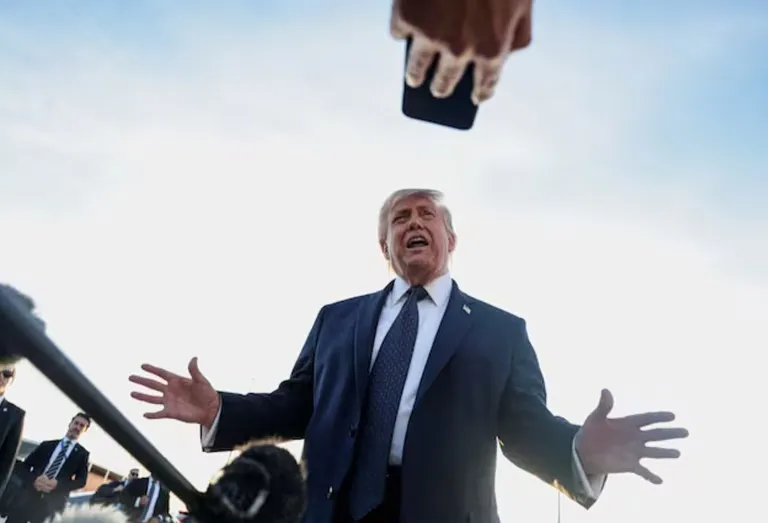
The White House is currently attempting to insulate President Donald Trump from responsibility for the election results. According to a US official speaking to Agence France-Presse (AFP) on Wednesday, November 4, 2026, the administration is framing the loss as a result of factors outside the President's direct control.
The official's defense rests on two primary arguments. First, they noted that the President himself was not on the ballot, suggesting that his absence from the direct vote may have impacted Republican turnout. Second, the administration has criticized the "quality" of the Republican candidates selected for these races, implying that the legislative losses are a failure of the party's roster rather than the President's leadership.
This strategy seeks to preserve the President's political capital ahead of future electoral cycles. By shifting the blame toward the quality of down-ballot candidates, the White House aims to maintain the loyalty of the core Republican base while acknowledging the electoral reality.
What role did Donald Trump play in the election cycle?
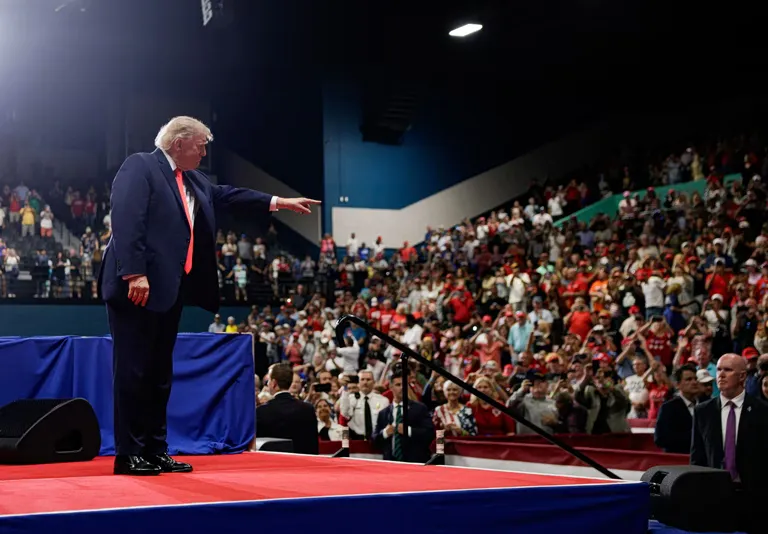
Despite the White House's efforts to distance him from the outcome, Donald Trump was deeply involved in the campaign process. The President had explicitly urged voters to act as if his name were appearing on the ballot, effectively making the midterm elections a referendum on his presidency and his political movement.
Furthermore, Trump had taken a proactive role in the selection and endorsement of Republican candidates. This involvement creates a complex political dynamic: while the White House now claims the candidates were of insufficient quality, the President had previously placed significant weight on the selection of these very individuals. This contradiction highlights the internal tension within the Republican Party as they navigate the aftermath of the loss.
How have global markets reacted to the election results?
The uncertainty surrounding the US political future has triggered immediate downward pressure on several key financial indicators. As the possibility of a Democratic-controlled Congress grows, investors are reassessing the stability and direction of the US economy, leading to a sell-off in various asset classes.
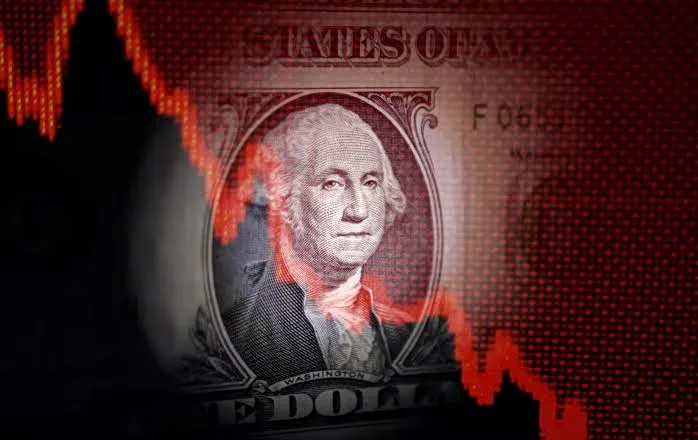
The US dollar has faced notable declines against major international currencies. According to market data reported on November 4, 2026, the dollar fell by 0.65% against the Japanese yen, trading at 157.65 yen. Additionally, the greenback saw a 0.41% decrease against the euro. This weakening of the dollar reflects a global flight to safety or a reassessment of US economic policy stability in the wake of the election.
Impact on Asian markets
The volatility has extended significantly into Asian trading sessions, where major indices experienced sharp declines. In Tokyo, the Nikkei index fell by nearly 3%, reflecting widespread investor anxiety. Similarly, in Seoul, the Kospi index dropped by 1.39%. These losses indicate that the political shifts in the United States are being felt acutely across global markets, particularly in regions heavily integrated with US trade and financial systems.
Summary of market shifts following the US midterms
The following table outlines the immediate financial impact observed following the preliminary election results:
| Asset/Index | Movement | Context |
|---|---|---|
| US Dollar vs. JPY | -0.65% | Trading at 157.65 yen |
| US Dollar vs. EUR | -0.41% | General weakening against the euro |
| Nikkei (Tokyo) | ~ -3.00% | Significant decline in Japanese equities |
| Kospi (Seoul) | -1.39% | Decline in South Korean equities |
Frequently asked questions
Why is the US dollar falling after the midterm elections?
The dollar is falling because the election results suggest a potential Democratic takeover of Congress. This increases the likelihood of political deadlock, which creates economic uncertainty. Investors often react to such instability by reducing their exposure to the US dollar, leading to its depreciation against other major currencies.
How is the White House defending Donald Trump?
The White House is defending the President by arguing that he was not directly on the ballot and that his supporters may not have turned out in sufficient numbers without his name. They are also attributing the losses to the poor quality of the Republican candidates chosen for the races.
What is the impact of a Democratic-controlled Congress?
A Democratic-controlled Congress could lead to a political deadlock, especially if the presidency remains Republican. This situation makes it much harder to pass legislation, potentially stalling the President's policy goals and creating a period of legislative stalemate in Washington.
Which Asian markets were most affected by the news?
The Tokyo and Seoul markets saw significant hits. The Nikkei in Tokyo dropped by nearly 3%, while the Kospi in Seoul fell by 1.39%. This reflects the high sensitivity of Asian markets to US political developments and the resulting global financial volatility.
Did Donald Trump influence the Republican candidates?
Yes, Donald Trump had placed significant emphasis on the selection of the Republican candidates and had encouraged voters to treat the midterm elections as if he were personally on the ballot. This involvement makes the current attempt to blame candidate quality more politically complex.
Key takeaways
- The 2026 US midterm elections indicate major Democratic gains and significant Republican losses.
- A potential Democratic-controlled Congress threatens to create long-term political deadlock in Washington.
- The US dollar weakened against the yen by 0.65% and the euro by 0.41%.
- Asian markets reacted sharply, with the Nikkei falling nearly 3% and the Kospi dropping 1.39%.
- The White House is attempting to deflect electoral responsibility from President Trump.
The political and economic outlook
The 2026 midterm elections have introduced a period of profound uncertainty for both the American political system and the global economy. As the Republican Party grapples with internal blame-shifting and the White House attempts to protect the President's standing, the reality of a potentially divided government looms large. For global markets, the immediate reaction in the US dollar and Asian equities underscores the interconnectedness of US domestic politics and international financial stability. The coming months will be critical in determining whether the US can maintain legislative functionality or if it will enter a prolonged era of political and economic paralysis.