What are the core differences between the candidates?
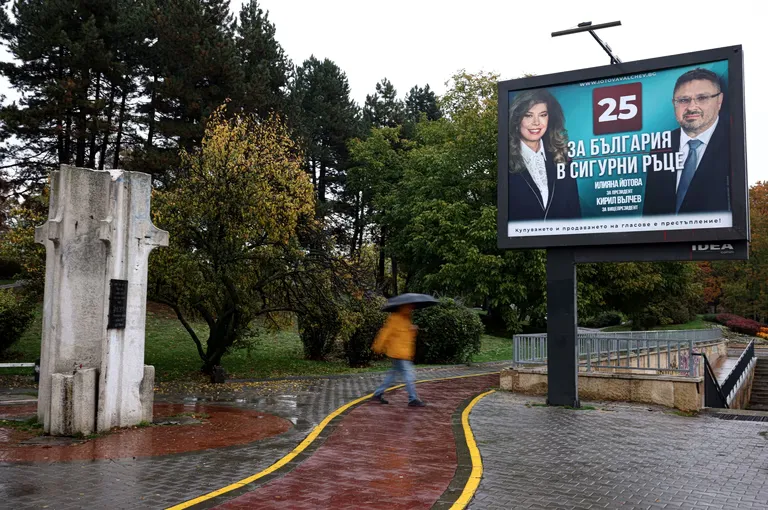
The second round of the Bulgarian presidential election presents a stark choice between Iliana Yotova's pursuit of diplomatic dialogue and Andrei Gyurov's demand for direct accountability regarding Russian aggression. The two candidates represent the fundamental divide within Bulgarian society regarding its historical ties to Moscow and its strategic alignment with the West.
Iliana Yotova, the incumbent president, has positioned herself as a "president of peace." Her platform emphasizes that the conflict in Ukraine can only be resolved through negotiation rather than continued military escalation. She has explicitly argued that increasing capital flows to Ukraine and supplying more advanced weaponry serves only to exacerbate destruction and increase the death toll on both sides. Despite this stance, Yotova maintains that Bulgaria remains committed to its NATO obligations.
In contrast, Andrei Gyurov, a former caretaker Prime Minister, has adopted a more confrontational stance toward the Kremlin. During recent televised debates, Gyurov has argued that peace is impossible without the cessation of Russian attacks. He has criticized Yotova for her reluctance to directly name Russia as the source of regional threats, suggesting that her approach lacks the necessary firmness to protect Bulgarian interests.
Candidate Profiles and Political Backgrounds
Iliana Yotova, aged 62, is a former journalist and a prominent figure within the Socialist Party. Her political career includes service in the European Parliament and serving as Vice President under Rumen Radev in both 2016 and 2021. She assumed the presidency in January following Radev's decision to participate in snap parliamentary elections. If successful in this runoff, Yotova would become the first woman to be directly elected to the presidency in Bulgaria's history. Beyond foreign policy, she has pledged to address the country's significant poverty issues, noting that Bulgaria remains the poorest member of the European Union.
Andrei Gyurov represents the pro-Western opposition, drawing support from factions that view the current administration's approach to Russia as insufficient. His candidacy leverages the growing anxiety among voters regarding the country's security architecture in the face of regional instability.
How has the Black Sea conflict influenced the election?
Heightened maritime insecurity in the Black Sea has become a central theme of the 2026 electoral cycle. Recent drone attacks against commercial vessels near Bulgarian coasts have heightened fears of regional spillover from the war in Ukraine, directly impacting the political discourse.
Political analyst Teodor Slavev suggests that Yotova's performance regarding these security threats has weakened her position. Although she won the first round with 35% of the vote against Gyurov's 32%, her margin was significantly lower than the 20-point lead predicted by various polls. Slavev attributes this discrepancy to what he describes as an "unconvincing response" to the Russian threats manifesting in the Black Sea. The October drone attacks on commercial ships have served as a catalyst for voter concern, forcing candidates to defend their maritime security strategies.
The impact on the maritime economy is a secondary but vital concern for the electorate. As a nation with significant Black Sea interests, the ability of the president to navigate the tensions between maintaining trade routes and managing geopolitical friction is a key metric of leadership. The election is effectively a referendum on how Bulgaria should respond to the weaponization of maritime corridors.
What is the position of the Bulgarian government?
Prime Minister Rumen Radev has actively intervened in the political narrative, framing the election as a choice between "peace and war." Radev has thrown his support behind Iliana Yotova, asserting that her leadership ensures Bulgaria remains in "good hands."
Radev's stance is characterized by a complex balancing act. While he has summoned the Russian ambassador to demand explanations regarding the attacks on commercial vessels, he has stopped short of explicitly assigning blame to Moscow, citing a lack of definitive evidence. He argues that a ceasefire in Ukraine and subsequent peace negotiations are the only viable guarantees for ending the attacks against merchant shipping in the Black Sea. This cautious approach reflects the broader struggle within the Bulgarian government to reconcile its NATO membership with its historical and economic connections to Russia.
Why was voter turnout so low in the first round?
The first round of the presidential election saw a historically low participation rate of just 23%. This figure has raised questions about the level of engagement with the democratic process and the perceived relevance of the presidency to the daily lives of Bulgarians.
Analysts point to several factors contributing to this apathy. The economic reality of being the EU's poorest member may lead some citizens to feel that presidential shifts have little impact on systemic issues like poverty. Furthermore, the deep polarization regarding Russia has, in some segments of the population, led to political exhaustion or cynicism. However, there is a general consensus among political observers that the second round may see a significant increase in turnout. The high stakes of the current geopolitical climate—specifically the security of the Black Sea and the direction of Bulgaria's foreign policy—are expected to mobilize a larger portion of the electorate.
Frequently asked questions
Who are the main candidates in the 2026 Bulgarian presidential election?
The runoff features incumbent Iliana Yotova and former caretaker Prime Minister Andrei Gyurov. Yotova advocates for diplomatic negotiations with Russia to end the Ukraine war, while Gyurov represents the pro-Western opposition, demanding that Russia be held directly accountable for regional instability and maritime attacks.
What was the voter turnout in the first round?
The first round of the election recorded a historically low turnout of 23%. While this figure was significantly lower than polling predictions, analysts expect a higher level of engagement in the second round due to the heightened geopolitical tensions involving the Black Sea and Ukraine.
How does the conflict in Ukraine affect this election?
The war in Ukraine serves as the primary backdrop for the election. Candidates are divided on how to respond to the conflict: Yotova emphasizes dialogue and warns against increased military aid, whereas Gyurov focuses on the necessity of ending Russian aggression to ensure regional stability.
What role does the Black Sea play in the political debate?
The Black Sea is a critical security issue due to recent drone attacks on commercial vessels near Bulgarian waters. This maritime instability has forced candidates to address how Bulgaria should respond to threats in its territorial waters and the implications for national security.
What is Iliana Yotova's political background?
Iliana Yotova is a 62-year-old former journalist and Socialist Party member. She has served in the European Parliament and as Vice President under Rumen Radev. If elected, she would become the first woman to be directly elected President of Bulgaria.
Key takeaways
- The 2026 Bulgarian presidential runoff features candidates with opposing views on Russia and Ukraine.
- Incumbent Iliana Yotova advocates for diplomatic negotiations to resolve the conflict in Ukraine.
- Andrei Gyurov represents the pro-Western opposition, demanding accountability for Russian maritime threats.
- Recent drone attacks in the Black Sea have become a central theme of the election.
- The first round saw a historically low voter turnout of only 23%.
Conclusion
The 2026 Bulgarian presidential election represents a pivotal moment for the nation's geopolitical identity. As voters head to the polls, they are not merely choosing a head of state, but deciding on a strategic direction for a country caught between its historical ties to Russia and its modern obligations to NATO and the EU. The outcome will determine whether Bulgaria pursues a policy of cautious mediation through dialogue or a more assertive stance against regional maritime threats. Given the low initial turnout and the high stakes of the Black Sea security crisis, the results will carry significant weight for both domestic stability and regional security.