Why is the Eastern Mediterranean considered a high-risk zone?
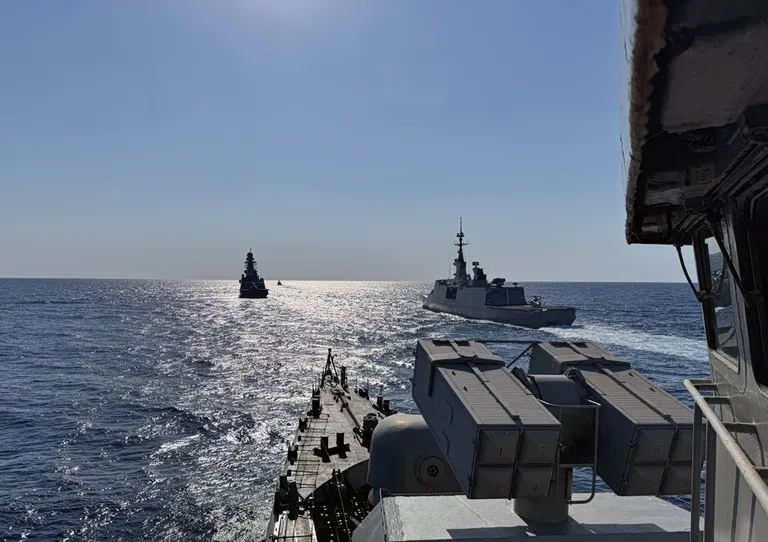
The Eastern Mediterranean represents a critical point of potential ignition that many European policymakers fail to fully grasp. According to Tim Marshall, the region is characterized by deep-seated historical tensions that do not simply disappear with time.
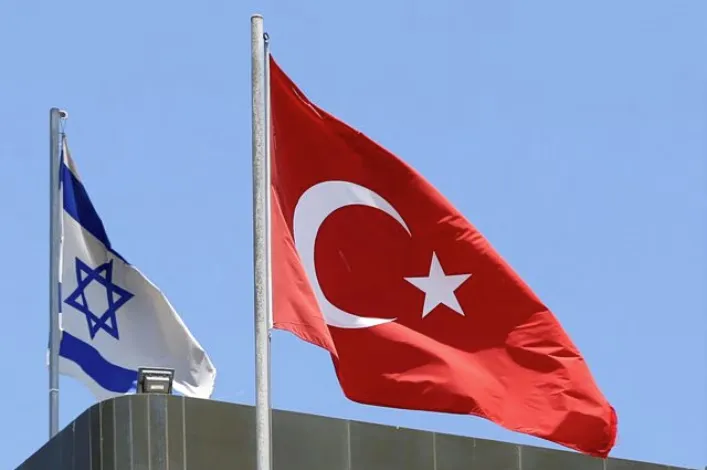
Marshall specifically points to the ongoing crisis in Cyprus and the complex relationship between Greece and Turkey as primary concerns. While these issues may not always sit at the center of the broader European political consciousness, they remain structural risks to regional stability.
The persistence of historical friction
The journalist notes that history, particularly in the Balkan region, is never truly 'over.' This historical continuity means that old grievances can be reactivated by modern geopolitical shifts. However, he provides a caveat for the immediate future: the fact that both Greece and Turkey are members of NATO serves as a significant deterrent. The diplomatic pressure exerted by the alliance is expected to be immense, acting as a buffer against outright military conflict. Despite this, the underlying volatility remains a core component of the regional landscape.
How are shifting global crises impacting European stability?
Europe is currently experiencing a profound accumulation of simultaneous crises, including climate change, migration, and rapid technological advancement. Marshall argues that these factors are combined with a decline in Europe's global hegemony, forcing the continent to adjust to a new, less comfortable reality.
Unlike historical periods of unrest, the modern era is defined by several unique stressors:
- The Cost-of-Living Crisis: Economic hardship is acting as a catalyst for social unrest, adding a layer of modern volatility to traditional political tensions.
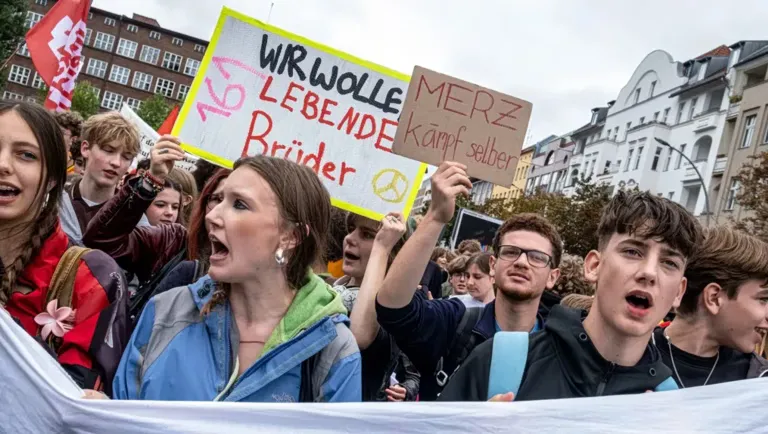
- Political Polarization: Many European nations are seeing levels of extreme political division that have not been observed in decades.
- Rapid Cultural Change: The speed of migration is creating social friction, as citizens experience rapid changes in their local environments and cultural landscapes.
- Resource Competition: Tensions are rising over access to jobs and social welfare systems.
The technological accelerator
Technology acts as a multiplier for these existing tensions. Marshall uses the analogy of the elevator—a tool designed for simple utility that ended up fundamentally reshaping the American urban landscape through the creation of skyscrapers. He suggests that Artificial Intelligence will have a similarly transformative and unpredictable impact on society, particularly regarding the speed at which information, including disinformation, can spread and destabilize public order.
What is the impact of changing US foreign policy?
The United States is moving toward a strategy of maximizing influence while minimizing financial and military commitments. Marshall observes that while American presidents have historically sought to avoid deep entanglements in Europe—a tradition dating back to George Washington—the current era is marked by a more unpredictable approach.
The shift is characterized by a desire for global dominance without the burden of heavy responsibilities. This is evident in how the US manages its international presence, maintaining bases in locations like Djibouti, Ramstein, and Yorkshire, while simultaneously pushing allies to shoulder more of the financial burden.
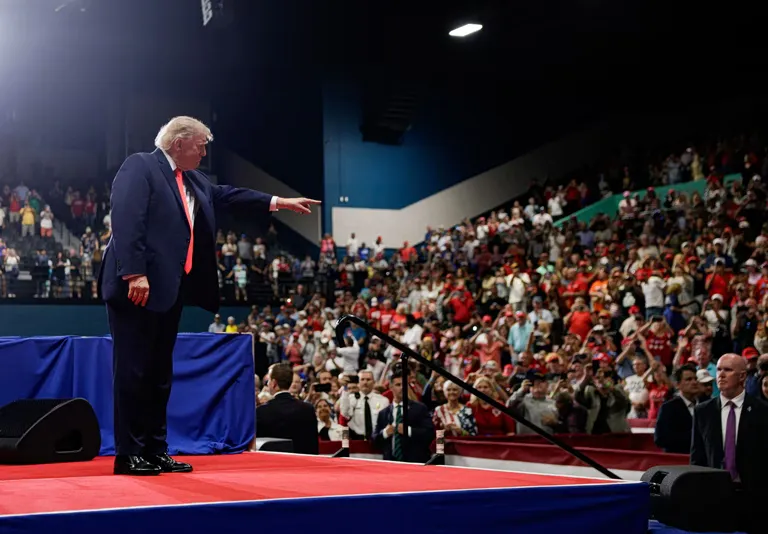
The 'Trump effect' on transatlantic relations
Marshall describes the impact of Donald Trump’s approach as being akin to a 'mad elephant running around.' While the trend toward American isolationism or 'America First' policies was already visible during the Obama administration—which Marshall notes prompted Europe to take a second look at its own security—the Trump era has heightened the sense of urgency and alarm across the continent. The US is increasingly bypassing traditional structures like NATO to promote regional defense agreements, such as those seen in the Gulf, and is pressuring allies in Korea, the Philippines, and Japan to fund their own defense through the purchase of American weaponry.
Can Europe balance welfare and defense spending?
Europe faces an incredibly difficult economic choice: whether to prioritize social welfare systems or invest in much-needed defense capabilities. As the global security landscape shifts, the financial resources required to maintain both are becoming increasingly scarce.
The current geopolitical climate suggests that the era of European prosperity, which once funded robust social safety nets, is transitioning into a period of strategic austerity. The pressure to 'pay for one's own defense' is no longer just an American rhetoric but a structural necessity in a world where the US is less willing to provide automatic security guarantees.
Lessons from regional defense models
Marshall points to the Mecca Agreement, signed by Saudi Arabia, Turkey, and Pakistan, as an emblematic example of how regional powers are realizing they must secure themselves. This mirrors the broader trend where nations are forced to look toward regional alliances and self-sufficiency as the traditional security umbrellas of the West become more conditional and costly.
Key takeaways
- The Eastern Mediterranean remains a high-risk flashpoint due to unresolved historical tensions in Cyprus and Greece-Turkey relations.
- Europe is struggling with a convergence of climate, migration, and technological crises that are eroding its global influence.
- US foreign policy is shifting toward a model of high influence with low financial and military commitment.
- Rapid technological changes, particularly AI, are expected to fundamentally reshape social and political structures.
- European nations face a critical tension between maintaining social welfare and funding necessary defense upgrades.
FAQ: Tim Marshall on Geopolitics
Why does Marshall think the Eastern Mediterranean is dangerous?
He believes the region is a potential ignition point because historical tensions, particularly regarding Cyprus and the Greece-Turkey relationship, remain unresolved. While NATO membership provides a diplomatic buffer, the underlying geographical and historical volatility remains a constant threat to stability.
How is technology changing European society?
Technology, especially Artificial Intelligence, acts as an accelerator for social change. Much like the elevator transformed cities, AI will likely reshape the social landscape, often by speeding up the spread of information and disinformation, which can exacerbate political polarization.
What is the core of the new US foreign policy?
The new approach focuses on maintaining global influence while reducing the costs of military and financial involvement. The US is increasingly encouraging allies to fund their own defense and purchase American equipment, moving away from traditional, high-cost security guarantees.
Why is Europe losing its global dominance?
The decline is attributed to a combination of economic shifts, the cost-of-living crisis, and the inability to manage rapid changes in migration and technology. This has led to a loss of the economic and political 'ease' that previously defined European hegemony.
What is the main dilemma for European governments?
The primary dilemma is the competition for limited financial resources between social welfare programs and national defense. As security threats rise, governments are forced to decide whether to protect their citizens' quality of life or their territorial sovereignty.
Conclusion
Tim Marshall’s analysis paints a picture of a world in profound transition, where old certainties are being replaced by rapid, often destabilizing changes. For Europe, the challenge is twofold: managing internal social fragmentation caused by economic and technological shifts, while simultaneously navigating a more transactional and less predictable relationship with the United States. The Eastern Mediterranean stands as a reminder that historical grievances can resurface quickly in this new era. Ultimately, the ability of European states to balance social stability with strategic defense will determine their resilience in an increasingly volatile global order.