How effective is Trump's influence within the United States?
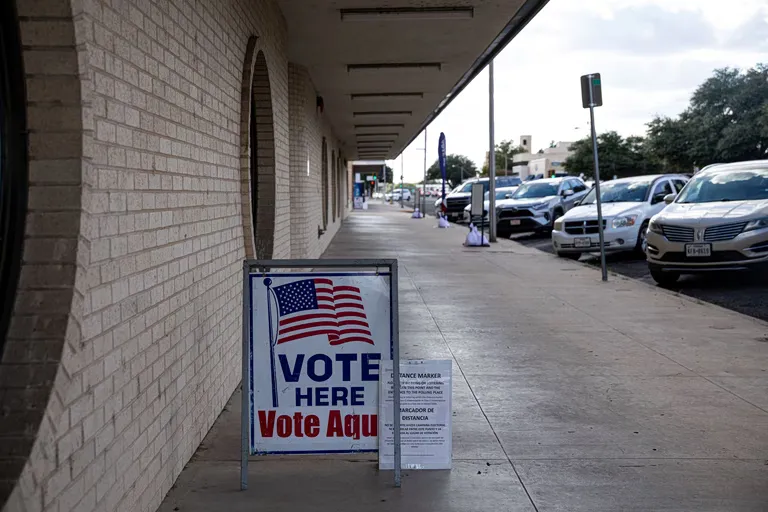
Donald Trump continues to exert profound control over the internal mechanics of the Republican Party, effectively acting as a gatekeeper for political candidates. According to reports from CNBC, the former president has demonstrated a remarkable capacity to shape primary outcomes, successfully displacing established figures who do not align with his agenda. Notable examples include the removal of Senator John Cornyn from Texas and Representative Thomas Massie from Kentucky from the party's preferred path.
In August, Trump asserted that 97% of the Republican candidates he supported successfully navigated their respective primary elections. This level of domestic influence creates a powerful baseline of authority, yet it does not always translate into successful political exports. While he can dictate the direction of the American conservative movement, his ability to influence the sovereign electoral processes of other nations remains highly contested and frequently unsuccessful.
Why is Trump's international electoral support faltering?
The correlation between Trump's endorsement and electoral success in foreign territories is often negative, as seen in several high-profile recent contests. In Brazil, President Luiz Inácio Lula da Silva secured reelection by defeating Flávio Bolsonaro, the candidate supported by Trump. This outcome stands in contrast to the political alignment previously held by Jair Bolsonaro, the former president and Trump ally.
Similar patterns have emerged in Europe and the Middle East, where endorsed leaders have struggled to maintain power:
- Serbia: A student-led movement successfully challenged the ruling party of Aleksandar Vučić, who had maintained close ties to Trump and his inner circle. Following his defeat, Vučić attributed the loss to an "unauthorized revolution" supported by European nations and the American "deep state" in opposition to Trump.
- Hungary: Despite public support from US Vice President JD Vance during a visit to the country, longtime Prime Minister Viktor Orbán was removed from power after 16 years in office, despite being a close ally of the Trump administration.
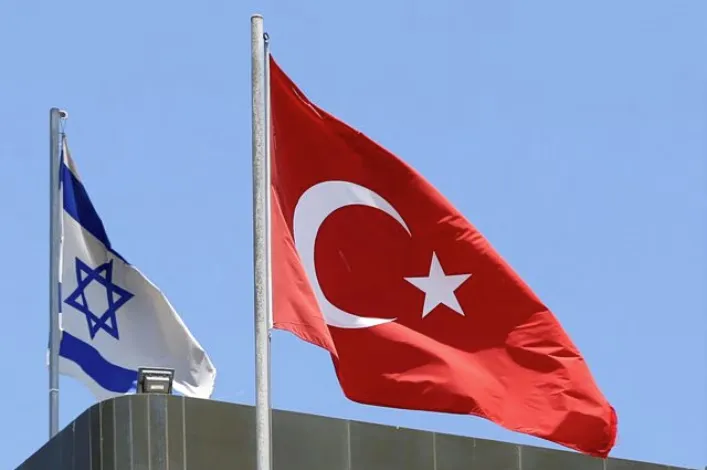
- Israel: As of late October 2026, reports from the Associated Press indicated that Benjamin Netanyahu's Likud party appeared to be losing its parliamentary majority, despite Trump's expressed support for the Israeli Prime Minister.
The volatility of international political endorsements
The primary reason for this volatility is the inherent tension between global ideological branding and local national interests. Political scientists suggest that while right-wing leaders enjoy the prestige of being part of a "global movement," they are often forced to pivot when a foreign ally becomes a political liability.
What causes the friction between Trump and his global allies?
Political alliances with Donald Trump are frequently characterized by sudden ruptures caused by conflicting national priorities. A prominent example occurred earlier this year with the Italian Prime Minister, Giorgia Meloni. The relationship soured following Italy's refusal to allow American aircraft to utilize a NATO airbase in Italy for operations related to the conflict in Iran.
The friction was exacerbated by public disputes over diplomatic optics. Trump claimed that Meloni had "begged" him for a photograph during the G7 summit, a statement that the Italian Prime Minister was forced to emphatically deny. Such incidents illustrate how personal grievances and geopolitical disagreements can rapidly transform a strategic ally into a "toxic figure" for a domestic electorate.
How do right-wing movements navigate the 'Trump factor'?
Right-wing and far-right movements continue to hold significant presence globally, yet they often adopt a strategy of tactical distancing from Trump. In France, Marine Le Pen remains a leading figure for the presidency, but historical trends suggest that voters often gravitate toward more moderate candidates once the initial fervor of a campaign subsides. In Germany, the Alternative for Germany (AfD) emerged as a major opposition force after securing 20.8% of the vote in the February 2025 federal elections.
According to Kas Mundte, a professor of International Relations at Georgia University, most right-wing leaders choose to distance themselves from Trump when his domestic popularity declines. This behavior is driven by several factors:
- Economic discontent: As David Barker, a professor at American University, notes, when citizens face rising living costs and energy prices, they become willing to experiment with new leaders, potentially abandoning established conservative figures.
- National sovereignty: Leaders prioritize local economic and security concerns over ideological solidarity with the US Republican platform.
- Political survival: Maintaining a connection to a polarizing figure like Trump can undermine a leader's ability to appeal to the broader, more moderate electorate.
Global trends in conservative governance
While some regions see a rise in right-wing populism, such as Javier Milei in Argentina and Amélbaro de la Espriella in Colombia, the common thread is a focus on nationalistic agendas that may or may not align with Trump's specific brand of politics.
FAQ: Trump's Global Political Impact
Does Trump's endorsement guarantee election wins?
No, Trump's endorsement does not guarantee victory in foreign elections. While he has high success rates in US Republican primaries, his support has coincided with electoral losses for allies in Brazil, Hungary, and potentially Israel, proving that international political dynamics are driven by local issues.
Why do international allies distance themselves from Trump?
Allies often distance themselves to avoid being associated with his declining domestic popularity or when his policies conflict with their national interests. As seen with Italy, disagreements over military basing and diplomatic rhetoric can turn a strategic alliance into a political liability for local leaders.
How does the US domestic economy affect his global influence?
Domestic economic issues, such as rising energy costs and the cost of living, impact Trump's popularity. When US citizens are dissatisfied with the economy, it can weaken the perceived strength of his political brand, making it harder for his international allies to justify their alignment with him.
What is the role of the 'global movement' in right-wing politics?
Right-wing politicians often celebrate each other's victories to present themselves as part of a successful global movement. However, this solidarity is often superficial and can quickly dissolve when a foreign leader's actions or reputation begin to negatively affect a local politician's standing with their voters.
Is the AfD in Germany part of the Trump influence?
While the AfD represents a significant far-right force in Germany, having secured 20.8% of the vote in early 2025, the party's strength is part of a broader European trend of right-wing populism that does not always rely on or align with Trump's specific political direction.
Key takeaways
- Trump maintains high control over US Republican primaries, displacing opponents like John Cornyn.
- International endorsements have failed to prevent losses for allies in Brazil, Hungary, and Serbia.
- Geopolitical conflicts, such as those involving Iran, can cause sudden ruptures in Trump's alliances.
- Right-wing leaders often distance themselves from Trump to protect their domestic popularity.
The evolving landscape of global conservatism
The current political climate demonstrates that while Donald Trump remains a central figure in the American conservative landscape, his ability to project power globally is inconsistent. The divergence between his domestic dominance and his international electoral struggles highlights a fundamental truth of modern politics: national interests almost always supersede ideological solidarity. As global leaders navigate rising economic pressures and shifting geopolitical alliances, the 'Trump effect' is likely to remain a volatile and unpredictable variable in the international arena.