Analyzing the latest shifts in PASOK polling trends
The recent Alco poll suggests a subtle shift in the Greek political landscape, where PASOK has climbed to 11.4%. While the 0.2% increase may appear minor, party officials interpret the movement as a sign that their current methodology is yielding results. In contrast, the polling data shows their rivals have slipped by 0.4%, creating a narrow but notable divergence in trajectory.
Party insiders suggest that these fluctuations are not merely statistical noise but reflect the impact of their dual-track strategy. This approach involves aggressive parliamentary confrontation with New Democracy (ND) while simultaneously attempting to broaden their appeal to the general public. The goal is to maintain "PASOK in constant motion," a phrase frequently used within the party's headquarters.
The role of seasonal political shifts
Political analysts and party members alike are looking toward the upcoming Christmas period as a critical juncture. The holiday season is viewed as a "nexus" that will determine whether the current upward trend for PASOK and the downward trend for its opponents are permanent features of the electorate or temporary spikes. The stability of these polling numbers through the end of the year will serve as a litmus test for the party's long-term viability in the third position.
Legislative priorities and the housing crisis response
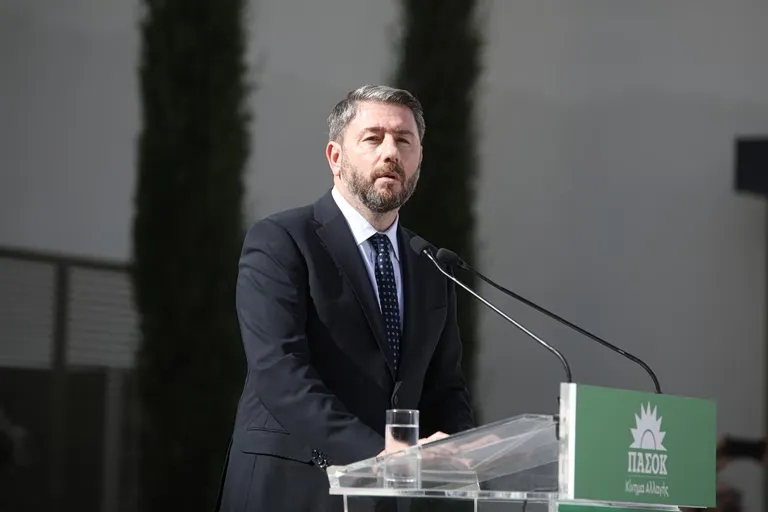
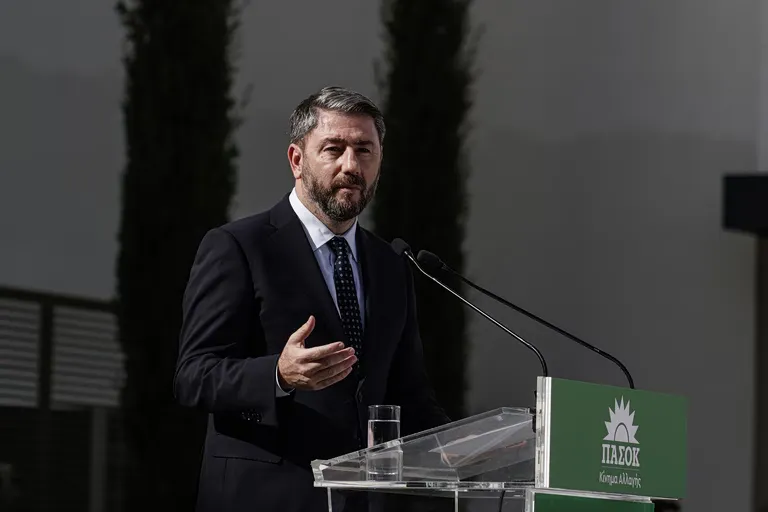
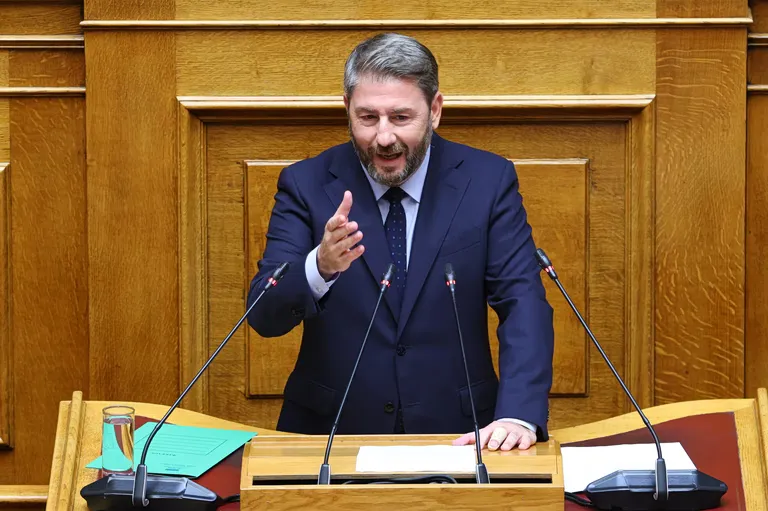
Nikos Androulakis is preparing to lead the party into a series of legislative battles, with a primary focus on the national housing crisis. The party is currently drafting a bill specifically designed to address housing instability, which is expected to be the second major programmatic proposal submitted by the official opposition. This follows a previous successful push regarding private debt, which forced the government to address issues such as the "120 installments" and "red loans.'
The timing of these moves is intended to maintain pressure on the governing administration by focusing on high-impact social issues. By moving from debt relief to housing, the party aims to demonstrate a consistent pattern of addressing the economic vulnerabilities of the Greek citizenry.
| Policy Focus Area | Previous Action | Upcoming Legislative Target |
|---|---|---|
| Financial Stability | Private Debt / Red Loans | N/A (Completed Phase) |
| Social Welfare | N/A | Housing Crisis Bill |
| Economic Structure | Developmental Conferences | New Productive Model |
Developing a new "productive map" for Greece
Beyond immediate legislative battles, PASOK is finalizing a comprehensive strategic plan centered on a new productive model for the country. This initiative, referred to internally as "The Greece that Produces," seeks to redefine the nation's economic landscape through a decentralized and sector-specific approach. The planning process has been extensive, involving the synthesis of conclusions from previous developmental conferences.
The implementation of this plan is being coordinated through a specialized "policy circle" led by Anna Diamantopoulou. This group acts as a central coordinating body, managing the work of more than 20 officials to ensure that the economic proposals are both granular and actionable.
The structure of the economic policy circle
The policy circle under Diamantopoulou functions as a specialized unit that integrates several key sectors of the Greek economy. Rather than treating economic growth as a monolithic concept, the team is breaking down the strategy into specific pillars:
- Development and Rural Development: Focusing on regional growth and agricultural modernization.
- Maritime Affairs: Leveraging Greece's historical and logistical strengths in shipping.
- Tourism: Developing sustainable models for the country's largest service sector.
The ultimate objective is to present a "productive map" that provides specific examples and tailored economic paths for different regions of Greece, moving away from a one-size-fits-all national policy.
Strategic positioning within the Hellenic Parliament
While the party's parliamentary presence is primarily defined by its opposition to New Democracy, the polling environment presents a more complex competitive field. In the House, the primary friction exists between the government and the official opposition; however, in the broader public consciousness, PASOK must navigate a crowded field that includes other significant political actors.
Nikos Androulakis is scheduled to meet with close collaborators to outline the party's immediate parliamentary steps, with a significant presence in the House expected this coming Wednesday. This move is intended to synchronize their legislative agenda with their public-facing communications, ensuring that their work in Parliament feeds directly into the broader political narrative they are attempting to build.