What were the scale and significance of the 2026 midterm results?
The 2026 midterm elections represented a decisive rejection of the second Trump presidency and the broader 'Trumpism' movement. Unlike standard mid-term fluctuations, this outcome saw a massive shift in voter sentiment, particularly within the Republican strongholds that had previously supported the administration.
The most striking statistic from the election was the 16-percentage-point swing in favor of the Democrats in the popular vote for the House of Representatives. To put this in perspective, this shift exceeds the 11.2% margin recorded during the November 1974 midterms, which followed Richard Nixon's resignation due to the Watergate scandal. This level of electoral volatility underscores a deep-seated dissatisfaction with the current administration's direction.
Despite months of strategic efforts by the Republican Party to influence the outcome—including attempts to redraw electoral districts and preparations for potential challenges to election integrity—the Democratic wave remained unstoppable. The victory was not limited to the United States; similar political shifts were observed in Serbia and Brazil, suggesting a broader global trend of resistance against populist movements.
How does this defeat impact the global rise of populism?
The scale of the Republican loss serves as a significant blow to the 'Illiberal International,' the network of populist and nationalist movements that have challenged democratic norms globally over the last decade.
For years, Donald Trump has acted as a central engine for this international alliance of illiberal forces. The recent electoral outcome suggests that this political machine is beginning to lose momentum. The fall of Viktor Orbán in April 2026 had already signaled cracks in this movement, but the scale of the American defeat provides a much more substantial setback to nationalist momentum.
The risk of political complacency
There is a profound danger that this Democratic victory might lead to a sense of complacency among those who oppose nationalist populism. Observers warn that treating this result as the definitive end of the Trump era would be a strategic error. Just as the 2024 election was misinterpreted as a permanent cultural shift, the 2026 results should be viewed as a significant battle won, rather than the war concluded.
Why is the survival of Trumpism still a concern?
The survival of Trumpism is not guaranteed to fade simply because of a single electoral setback, as the underlying political phenomenon remains a potent force in American life.
Political analysts argue that Trumpism is not merely a personal brand but a genuine political capability. The history of the movement shows that even after significant controversies—such as the January 6, 2021, Capitol riot—the movement has demonstrated an ability to regroup and achieve electoral success. The fact that Trump was re-elected in 2024, less than four years after his first term, proves the resilience of his base.
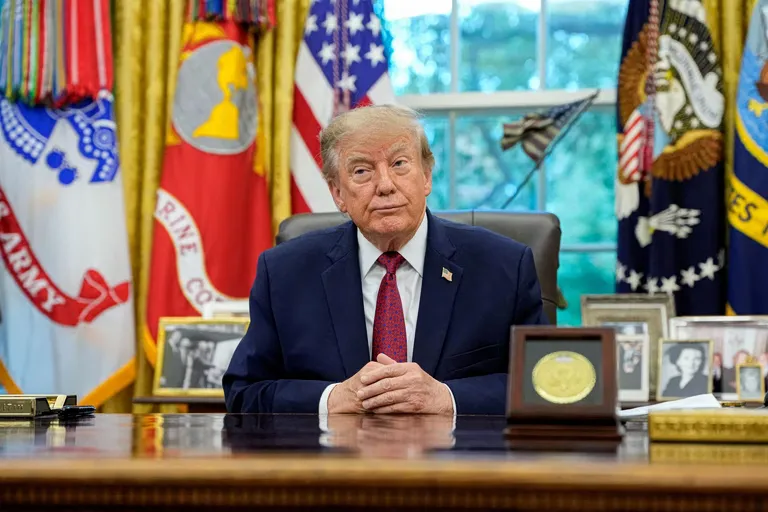
Furthermore, a weakened president is not necessarily a defeated one. While the loss of the House and the Senate removes the legislative 'blank check' the administration previously enjoyed, it does not strip the President of his executive influence. As noted by journalist Jonathan Freedland, a president facing such significant losses can sometimes become a 'cornered beast,' potentially leading to more unpredictable or aggressive actions in the final two years of the term.
What are the implications for European security and the US alliance?
For the European Union and other traditional allies, the 2026 election results necessitate a shift in how they approach the concept of US reliability as a security guarantor.
Even if the US Congress returns to more moderate hands or if a future successor is a staunch internationalist, the fundamental predictability of American foreign policy has been altered. The era where the United States' role as the guarantor of Western security could be taken for granted is over. The political landscape has proven that American priorities can shift violently based on election cycles.
This reality requires European nations to accelerate their own strategic autonomy. Relying on the shifting winds of American domestic politics for long-term security is no longer a viable strategy. Europe must continue to develop its own independent defense and protection frameworks to ensure stability, regardless of who occupies the Oval Office in future cycles.
Did specific policy failures drive the Republican defeat?
The Republican loss can be attributed to a combination of ideological rejection and specific, avoidable policy errors that alienated key voter demographics.
While the broader rejection of Trumpism played a role, specific decisions made during the second term appear to have exacerbated the economic discontent of the electorate. For example, the administration's actions regarding Iran were seen by many as a departure from the core MAGA promise of ending foreign conflicts rather than initiating new ones. This move was perceived not only as a geopolitical risk but as a driver of domestic economic instability.
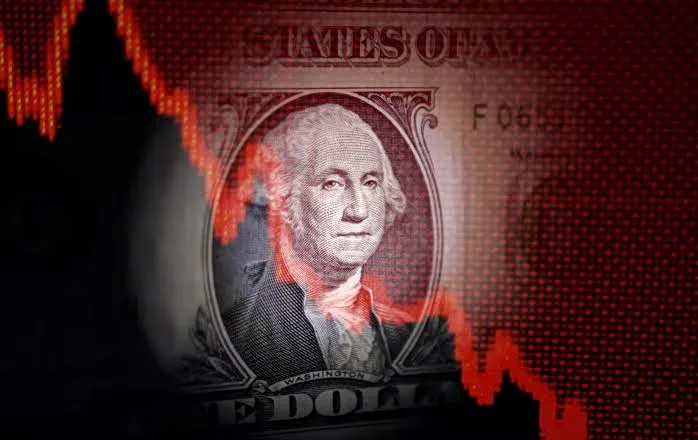
Economic factors remain the most potent tool for voter retribution. Decisions that contributed to increased inflation directly undermined the administration's ability to maintain its base. When voters feel that the promised economic stability has been replaced by rising costs, even the most loyal political movements can face a sudden and overwhelming backlash at the polls.
FAQ: Trump midterm election results 2026
How significant was the Democratic shift in the 2026 midterms?
The shift was historic, with Democrats gaining a 16-percentage-point lead in the popular vote for the House of Representatives. This margin is larger than the significant shift seen in 1974 following the Watergate scandal, indicating a massive rejection of the current administration's platform.
Does the Republican loss mean the end of Trumpism?
No, the defeat does not signal the end of Trumpism. While the movement suffered a major blow, analysts suggest that the underlying political forces remain active. The resilience shown in previous election cycles indicates that the movement can regroup and remain a significant factor in US politics.
How should Europe respond to these election results?
European leaders should avoid complacency. The results prove that US foreign policy and its commitment to international alliances can change rapidly. Consequently, Europe must continue to prioritize its own strategic autonomy and develop independent defense capabilities to ensure long-term security.
What role did economic issues play in the election?
Economic concerns, particularly inflation, were central to the voter backlash. Decisions that were perceived to have worsened the cost of living or fueled inflation directly contradicted campaign promises, leading to a significant loss of support among the electorate.
What is the 'cornered beast' concept regarding the President?
The 'cornered beast' refers to the potential for a president with diminished legislative power to become more unpredictable or aggressive. Following a major electoral defeat, there is a risk that the administration may resort to more volatile tactics to exert influence.
Key takeaways
- The 2026 midterms saw a historic 16% Democratic surge in the House popular vote.
- The Republican defeat marks a significant setback for the global 'Illiberal International' movement.
- European nations are urged to increase strategic autonomy due to unpredictable US security commitments.
- Economic instability and inflation were primary drivers of the electoral backlash.
- Analysts warn that a weakened presidency may lead to more unpredictable executive actions.
The changing landscape of global stability
The 2026 midterm elections have fundamentally altered the political trajectory of the United States, moving away from the era of unchecked populist dominance. While the immediate result is a more moderate legislative environment, the underlying tensions of American politics remain unresolved. The international community, particularly Europe, must view this not as a return to the old status quo, but as a transition into a new era of geopolitical uncertainty. Stability will now depend on the ability of democratic institutions to withstand the persistent pressures of populist movements and the evolving nature of US leadership.