Fire Ignites in Trikala Forest on High-Risk Sunday
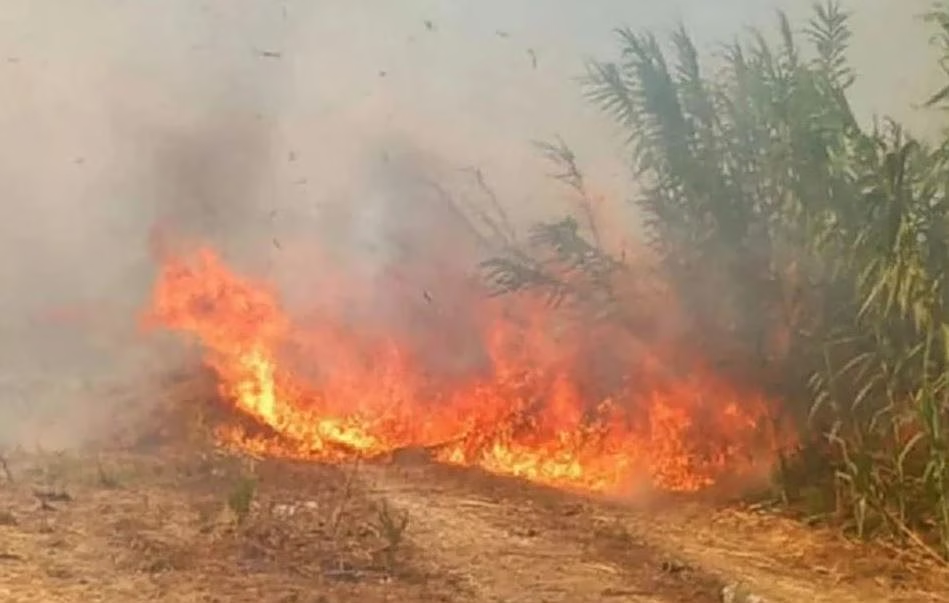
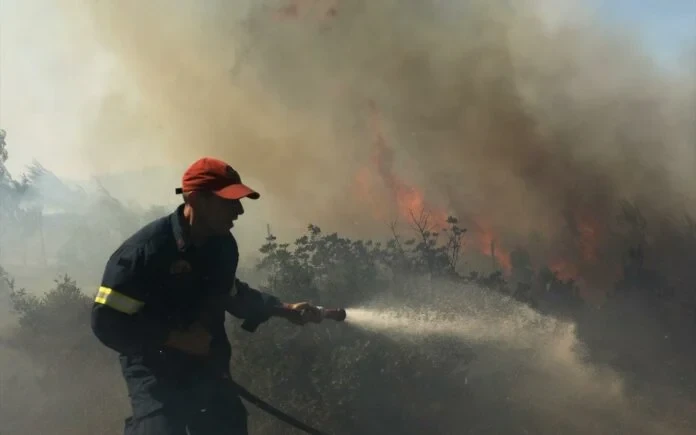
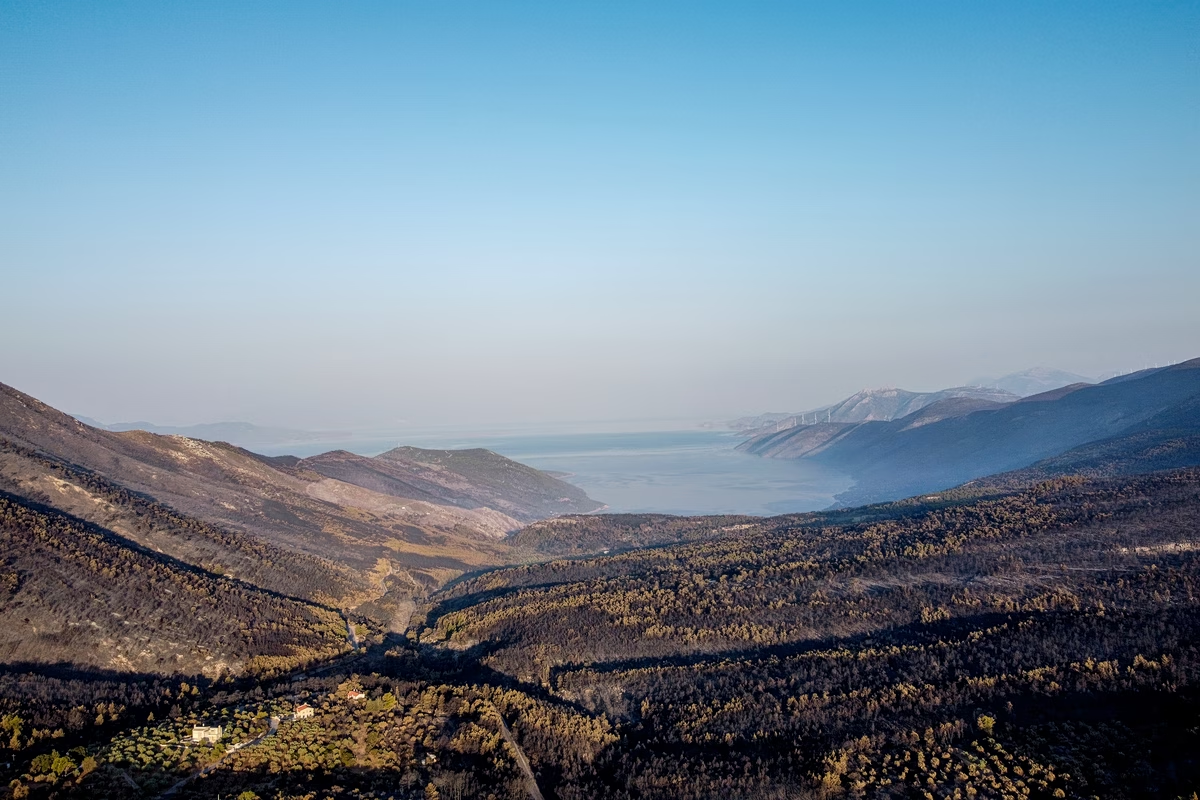
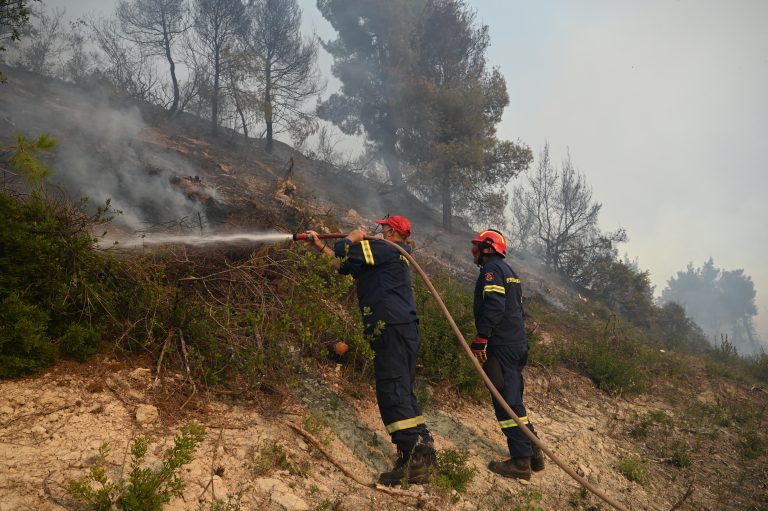
A wildfire broke out on Sunday afternoon in the forested area of the local community of Drosochori, located within the Trikala regional unit of central Greece. The incident unfolded during a period of elevated fire danger, raising immediate concerns among local authorities and emergency services responsible for protecting the region's natural landscape.
According to available information, the Fire Service Operations Center received notification of the blaze at approximately 5:45 p.m. local time. Emergency crews were dispatched without delay, reflecting the urgency that such incidents demand, particularly on days when weather and environmental conditions are considered particularly favorable for the rapid spread of fire.
Emergency Response Mobilized Quickly
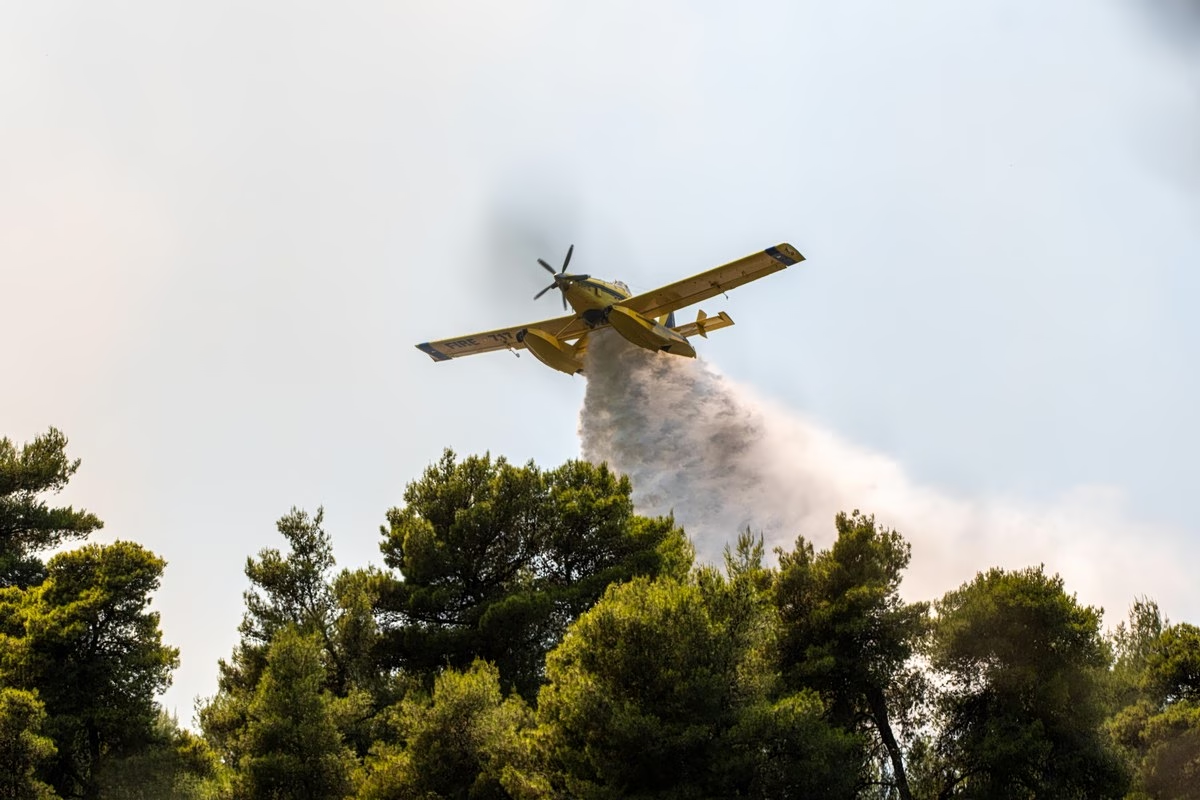
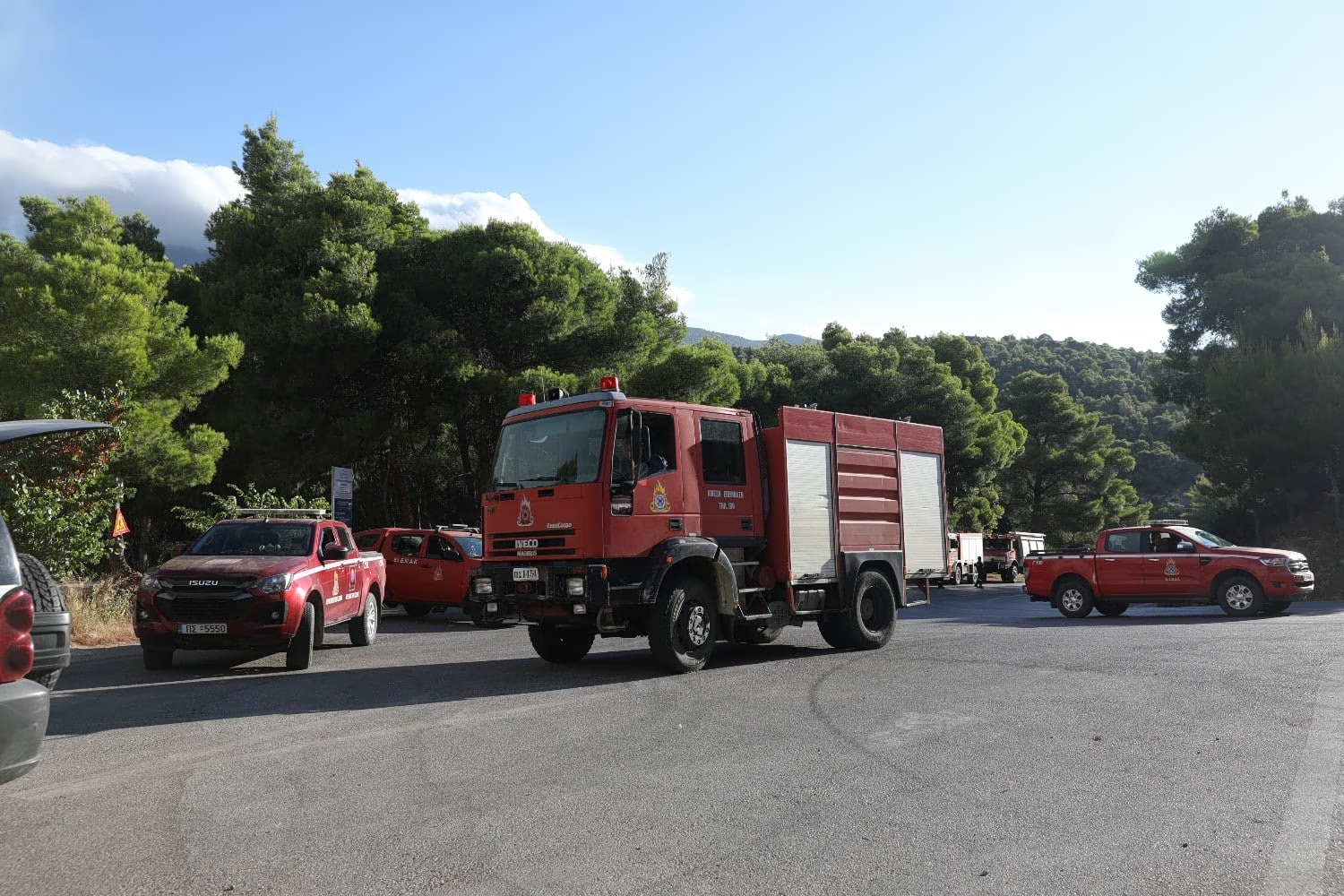
Upon receiving the alert, fire service authorities mobilized a response team consisting of seven firefighters supported by three specialized fire-fighting vehicles. The crews were deployed to the scene to contain and extinguish the blaze as swiftly as possible, with the primary objective of preventing the fire from spreading further into the surrounding woodland and potentially threatening nearby inhabited areas.
The rapid mobilization of personnel and equipment is consistent with standard emergency protocols that Greek fire authorities follow during periods of heightened risk. Quick deployment is considered critical in limiting the extent of damage that wildfires can inflict on ecosystems, infrastructure, and rural communities.
High Fire Risk Classification on the Day of the Incident
The timing of the fire is particularly noteworthy, as the day in question had been classified under Category 3 — a designation that indicates a high risk of wildfire ignition and spread. This classification is issued by competent authorities based on a combination of meteorological factors, including temperature levels, wind speed, humidity, and drought conditions in the area.
Category 3 fire risk days typically prompt heightened vigilance across emergency services, local government bodies, and the general public. Restrictions on activities that could contribute to fire ignition, such as the burning of agricultural waste or open-air barbecues in vulnerable zones, are commonly enforced during such periods. The occurrence of a wildfire on a day already deemed high-risk underscores the volatile nature of fire conditions that parts of Greece face during the summer months.
Causes Under Investigation
As of the time of reporting, the exact cause of the fire in Drosochori had not been officially determined. Authorities have initiated an investigation to establish the origin and circumstances that led to the ignition. This is standard procedure following any wildfire incident in Greece, as determining the cause — whether accidental, natural, or deliberate — is essential for both legal purposes and future prevention strategies.
Wildfires in Greece can originate from a wide variety of sources. Lightning strikes, discarded cigarettes, agricultural burning that gets out of control, electrical faults, and, in some cases, arson have all been identified as contributing factors in past incidents. Until investigators complete their work, the cause of the Drosochori fire remains unknown.
Greece's Ongoing Battle with Summer Wildfires
The incident in Trikala is one of many wildfires that Greece contends with annually, particularly during the summer season. The country's Mediterranean climate, characterized by hot, dry summers and strong winds, creates conditions that are highly conducive to the rapid ignition and spread of fires across forested and rural land.
In recent years, Greece has experienced some of its most devastating fire seasons on record. Large-scale wildfires have caused significant loss of life, destroyed thousands of hectares of forest and agricultural land, and forced the evacuation of numerous communities. These recurring events have intensified calls for more robust fire prevention infrastructure, improved early-warning systems, and stronger enforcement of regulations in fire-prone zones.
The Greek fire service has been investing in updated equipment and training programs to improve its capacity to respond to wildfires efficiently. However, the sheer number of simultaneous incidents that can occur during peak fire season often stretches available resources. Coordination between local, regional, and national agencies, as well as assistance from other European Union member states through civil protection mechanisms, plays a crucial role in managing major outbreaks.
Drosochori and the Trikala Region
Drosochori is a small local community situated within the broader Trikala regional unit in the Thessaly region of central Greece. The area, like much of central and northern Greece, is characterized by diverse terrain that includes forested hillsides and rural landscapes. These natural features make it valuable from an ecological and agricultural standpoint, but they also render it susceptible to the kind of wildfire activity seen on Sunday.
Local communities in such areas often work in close cooperation with fire prevention authorities during the summer months, maintaining firebreaks and observing safety regulations to reduce the risk of accidental ignition. Public awareness campaigns also form a key part of efforts to minimize human-caused fires in these regions.
Monitoring and Aftermath
Following the initial response, fire service teams continued to monitor the affected area to ensure the blaze was fully contained and that no residual hotspots remained capable of reigniting. Post-fire monitoring is a standard component of wildfire management, as fires can sometimes smolder beneath the surface and re-emerge hours or even days later if conditions allow.
Authorities have not released specific details regarding the total area burned or whether any structures or assets were damaged as a result of the Drosochori fire. Further updates are expected as the situation develops and as the investigation into the cause of the blaze progresses.
The incident serves as a reminder of the persistent fire risk that Greece faces during the summer period and the importance of maintaining readiness at all levels of emergency response to protect both human communities and the country's natural environment.