The gap between central funding and operational costs
The primary driver of the current instability is the widening disparity between available central resources and the rapidly increasing costs of municipal functions. Although government representatives have pointed to various financial tools and programs designed for project implementation, local leaders argue these do not address the core issue of daily survival.
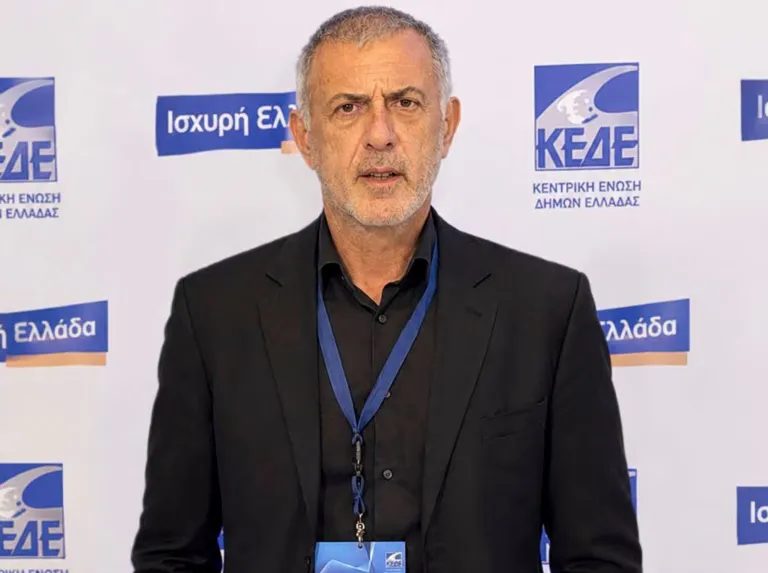
According to Yannis Moralis, the Mayor of Piraeus, the critical challenge is not the ability to fund specific projects, but the capacity of municipalities to cover their non-discretionary operational expenses. He noted that while central autonomous resources may have increased in recent years, the functional expenses required to maintain basic services have multiplied at a much higher rate, leaving the situation at a critical threshold.
The limits of project-based funding
Moralis emphasized that while the government provides mechanisms for capital projects, these do not alleviate the pressure on the recurring costs necessary to keep a municipality running. Without addressing the fundamental ratio of resources to operational needs, the local government structure remains at risk. He noted that while the government claims to provide tools for implementation, the essence of the problem lies in the inability to cover the actual, ongoing costs of municipal existence.
Systemic issues of staffing and responsibility transfers
Beyond direct funding, the Greek local government sector is struggling with chronic understaffing and the uncompensated transfer of responsibilities from the central state. This structural imbalance forces municipalities to manage more complex tasks without the necessary human or financial capital to execute them effectively.
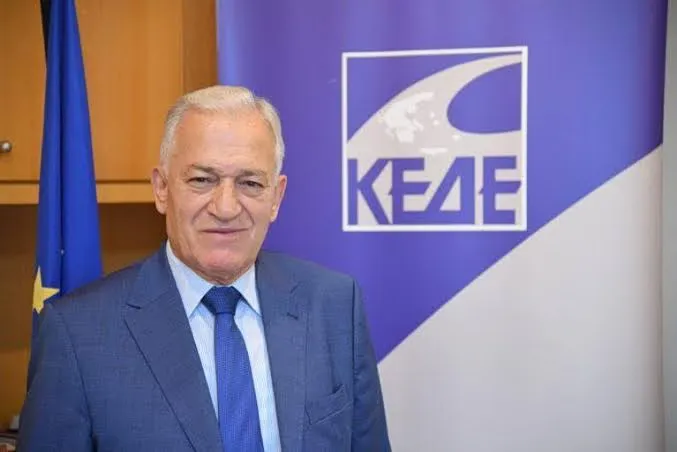
The Mayor highlighted two specific systemic failures during the KEDE conference:
- Understaffing: A lack of sufficient personnel to manage expanding municipal duties.
- Unfunded Mandates: The transfer of responsibilities from the central state to local authorities without a corresponding transfer of adequate financial and human resources.
This combination of increased responsibility and decreased capacity creates a cycle of instability that threatens the quality of public services provided to citizens.
A unified warning from 332 mayors
The scale of the crisis is underscored by the fact that the concerns are not isolated to a single political faction but are shared by the vast majority of local leaders across the country. Moralis stated that when 332 mayors express the same anxieties and demands, the issue must be viewed as a purely administrative and local government matter rather than a partisan political debate.
While acknowledging the good intentions of Interior Minister Libanis, Moralis argued that intentions are insufficient if the applied policies do not address the essence of the problem. He characterized recent government initiatives, such as the "6 + 2" proposals announced by Prime Minister Kyriakos Mitsotakis, as "aspirin" for a "seriously injured" local government system that has been struggling for years.
The Mayor concluded with a stark warning regarding the potential consequences of inaction. He described the situation as an "hourglass" running out of time, suggesting that a collapse of first-tier local administration would lead to tragic and unpleasant consequences for the daily lives of Greek citizens. He expressed hope that local authorities would be heard before such an evolution occurs.
Frequently Asked Questions
What is the main cause of the municipal financial pressure?
The pressure stems from the fact that municipal operational expenses are multiplying faster than the central government's provision of autonomous resources, making it difficult to cover non-discretionary costs.
Is this a partisan political issue?
No. According to Mayor Yannis Moralis, the concerns are shared by 332 mayors across the country, making it a fundamental issue of local government administration rather than a matter of political positioning.