The Allure and Peril of Low-Cost Medical Procedures
The prospect of substantially reduced costs for medical and cosmetic procedures, particularly dental work, has driven a significant increase in medical tourism to countries such as Turkey. While the financial savings can be a powerful draw, numerous accounts highlight a darker side, where the promise of affordability gives way to severe health complications and financial burdens far exceeding initial expectations. This phenomenon underscores a critical dilemma for those considering overseas treatment: the balance between perceived savings and potential risks to health and well-being.
Recent cases have brought the inherent dangers of this trend into sharp focus. For instance, a 53-year-old Greek national from Canada recently required intensive care following complications from a procedure in Turkey, serving as a stark reminder that what appears to be an attractive bargain can quickly turn into a grave medical emergency. Such incidents are not isolated, echoing a growing number of patients who have experienced adverse outcomes after seeking inexpensive treatments abroad.
Personal Accounts of Dental Tourism Gone Awry
The experiences of individuals like Amanda Turner illustrate the potential pitfalls. Turner, like thousands of other British citizens, traveled to Turkey for affordable dental treatment to address issues stemming from her pregnancy. Her pursuit of a cost-effective solution, however, resulted in a severe infection that caused significant bone damage in both her upper and lower jaws, leaving her in constant, agonizing pain. "They sent me to a hotel room all alone, without any of my family, crying from the pain. This is not what we had agreed upon," Turner recounted. She further revealed discrepancies between the promised treatment of 20 crowns and the actual procedure, which involved bridges. Ultimately, all her teeth were ground down, and she was fitted with a retainer, now facing costs ten times higher in the UK to restore her oral health and smile.
These personal stories paint a vivid picture of the consequences when the pursuit of low prices overshadows considerations of quality, safety, and comprehensive aftercare. The initial appeal of a 'dental holiday' often masks the reality of inadequate medical oversight and the absence of robust patient protection mechanisms that are typically available in more regulated healthcare environments.
The Deceptive Facade of 'Five-Star' Clinics
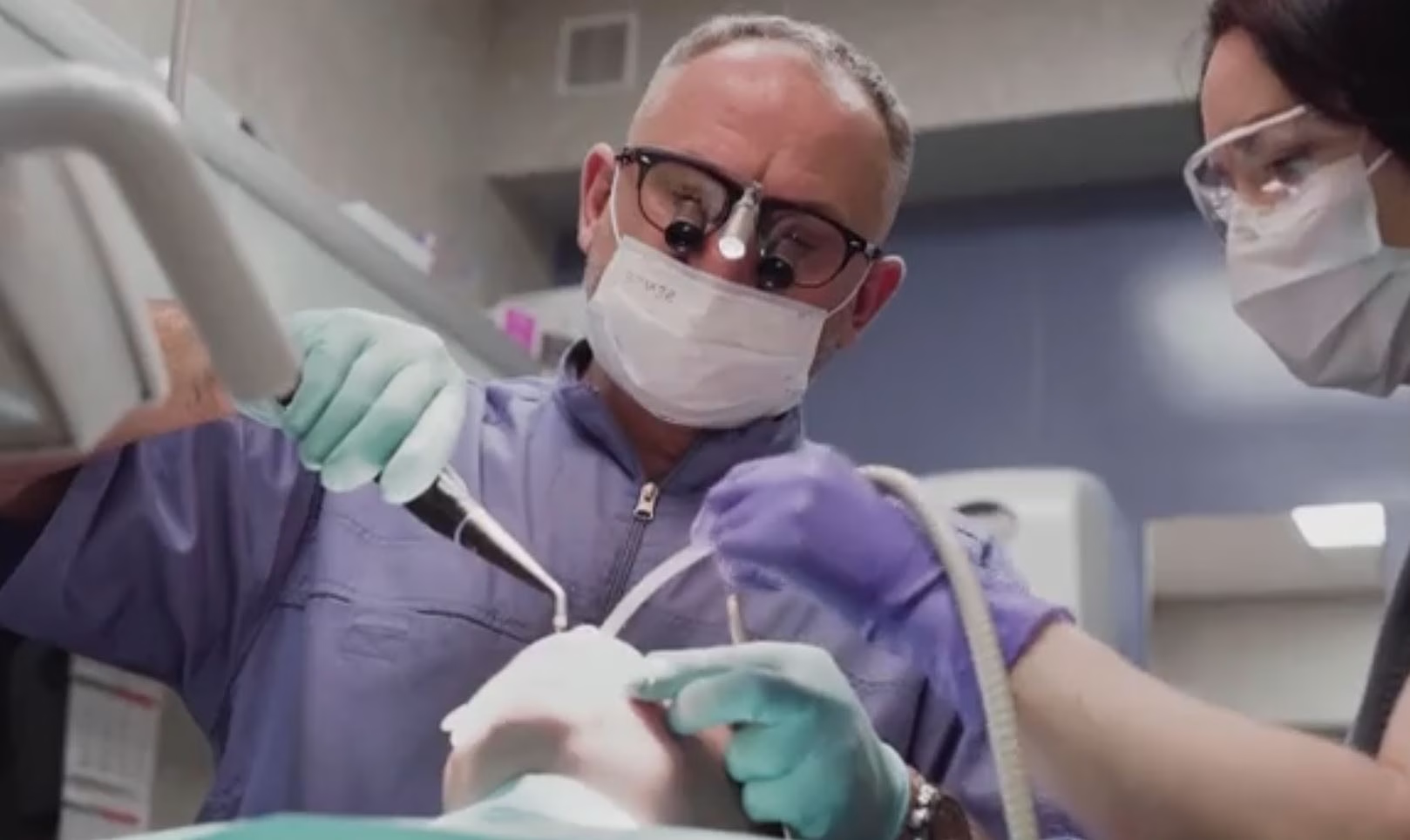
Many Turkish dental clinics present themselves with the aesthetic of five-star hotels, utilizing aggressive online and social media marketing strategies to attract international clients. These packages often include airfare and luxurious accommodation in cities like Istanbul or resort areas such as Antalya, creating an illusion of an all-inclusive, high-quality experience. However, beneath this glamorous exterior, patients frequently discover a troubling lack of proper certification, questionable hygiene standards, and a severe deficit in the quality of medical services provided.
The pricing structures themselves often raise red flags. One prominent Istanbul clinic, for example, advertises dental implants for as low as 155 euros and zirconium crowns for 77 euros on its website. While the site claims these are German titanium implants with a lifetime warranty and that the zirconium crowns offer exceptional durability and perfect color, such prices are suspiciously low compared to international standards, often indicating compromises in material quality, sterilization protocols, or practitioner expertise.
Tragic Consequences and Misleading Advertisements
The gravest consequences of these practices are sometimes fatal. A tragic incident in Turkey involved the death of 7-year-old Ela Kocakogur, a healthy gymnast, who underwent general anesthesia for eight fillings in a private clinic. The decision by dentists to perform all procedures simultaneously under general anesthesia led to cardiac arrest, from which she could not be revived. This heartbreaking case underscores the critical importance of stringent medical protocols and ethical considerations in patient care, especially when dealing with vulnerable populations.
The issue extends beyond Turkey, with other neighboring countries also engaging in similar advertising tactics. Vaios Kontopoulos, President of the Thessaloniki Dental Association, highlighted the prevalence of misleading and unrealistic advertisements. He noted that while initial quotes might suggest costs are approximately half of what they would be in Greece, the final expenses, including all treatments and subsequent restorative work, often meet or exceed the prices patients would pay domestically. Kontopoulos also pointed out the deceptive nature of social media promotions, often utilized by medical facilities that receive state subsidies for attracting these international patients. He specifically mentioned a recent campaign from Albania promoting similar low-cost dental services, indicating a broader regional trend.
The Long-Term Repercussions of Short-Term Savings
The immediate financial savings offered by dental tourism can be incredibly appealing, particularly for extensive procedures that are prohibitively expensive in a patient's home country. However, these short-term gains are frequently overshadowed by significant long-term repercussions. Patients often return home with complications such as infections, nerve damage, ill-fitting prosthetics, or even irreparable damage to their natural teeth. The cost of correcting these issues, both financially and emotionally, can be astronomical, far surpassing the original savings and potentially leading to years of pain and additional medical interventions.
Moreover, the legal and ethical recourse for patients who experience malpractice or substandard care abroad can be complex and challenging. Different legal systems, language barriers, and the sheer distance involved can make it nearly impossible to seek compensation or hold negligent practitioners accountable. This lack of protection leaves patients vulnerable and often without avenues for justice.
Informed Decisions and Due Diligence
The growing number of negative experiences serves as a critical warning. While the concept of medical tourism offers a viable option for some, particularly for elective procedures in highly regulated environments, the pursuit of extreme discounts in less regulated markets carries substantial risks. Prospective patients must exercise extreme caution and conduct thorough due diligence before committing to any procedure abroad. This includes verifying the credentials and experience of practitioners, ensuring the clinic adheres to international safety and hygiene standards, understanding the materials used, and clarifying post-operative care and warranty policies.
Ultimately, the decision to undergo medical treatment overseas should not be driven solely by cost. A comprehensive evaluation of risks, potential complications, and the long-term implications for health and finances is paramount. Prioritizing safety, quality, and comprehensive care over mere affordability is essential to avoid becoming another cautionary tale in the expanding narrative of dental tourism's hidden costs.