The mechanics of the PASOK energy cost amendment
The proposed amendment seeks to invert the current default selection mechanism to favor the consumer rather than the provider. Under the current system, many households remain on more expensive variable tariffs without active intervention. The PASOK proposal introduces an automatic transition to the most economical fixed-rate tariff offered by the same supplier for those currently on 'green' variable plans.
To ensure this transition does not infringe upon consumer rights, the amendment includes several specific procedural safeguards. The primary goal is to reduce the financial burden of energy costs without requiring government intervention or fiscal expenditure. Because the transition occurs at the prices already offered by providers in the free market, the party maintains that there is no impact on the national budget.
Consumer protections and transition rights
The amendment outlines a structured process to ensure that the automatic switch is not forced upon unwilling customers. Key features of the consumer protection framework include:
- Advance Notification: Consumers will receive written notification 30 days prior to any automatic tariff transition.
- Right of Refusal: Customers can opt out of the transition through a simple telephone call.
- Penalty-Free Exit: The measure preserves the right to leave the provider or change plans without penalty for up to 60 days following the transition.
By implementing these safeguards, the proposal attempts to balance the need for cost reduction with the necessity of individual choice and market stability.
Transparency requirements for variable tariffs
For consumers who choose to remain on variable or 'yellow' tariffs, the amendment mandates a new level of billing transparency. The proposal requires that electricity bills explicitly state how much the consumer would have paid had they been on a fixed-rate tariff during that same period.
This comparative data is intended to provide a clear benchmark for households to evaluate their spending. By visualizing the potential savings of a fixed plan directly on their monthly statements, consumers can make more informed decisions about their energy contracts. This transparency measure aims to address the information asymmetry that often exists between large utility providers and individual households.
Phased implementation and provider stability
To prevent market volatility and allow providers to adjust to changing risk profiles, the amendment proposes a gradual rollout. The implementation is designed to occur in three distinct phases, ensuring that the transition does not cause systemic shocks to the energy sector.
The rollout strategy prioritizes specific groups of consumers to maximize the social impact of the measure. The implementation order is planned as follows:
| Phase Priority | Target Consumer Group | Objective |
|---|---|---|
| First Phase | Vulnerable households | Immediate relief for high-risk groups |
| Second Phase | High-consumption users | Significant reduction in total energy spend |
| Third Phase | General consumer base | Broad market stabilization and cost reduction |
This phased approach is intended to allow energy providers to manage their risk compensation effectively while ensuring that those most affected by energy inflation receive relief first.
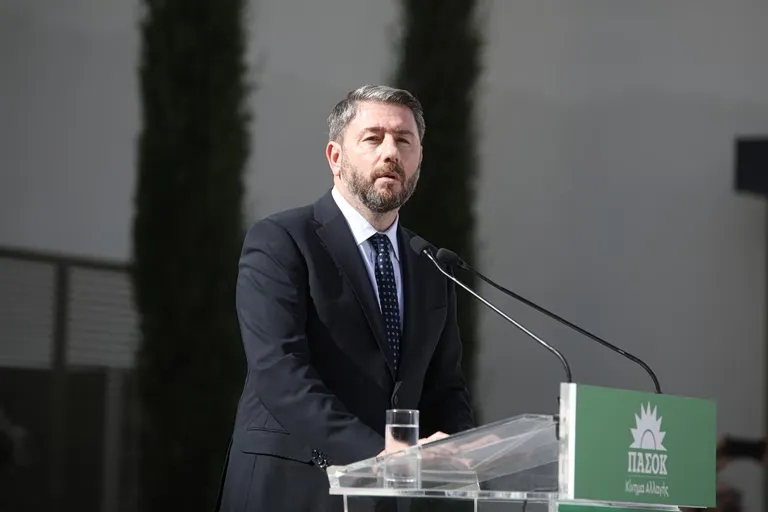
Nikos Androulakis's parliamentary strategy
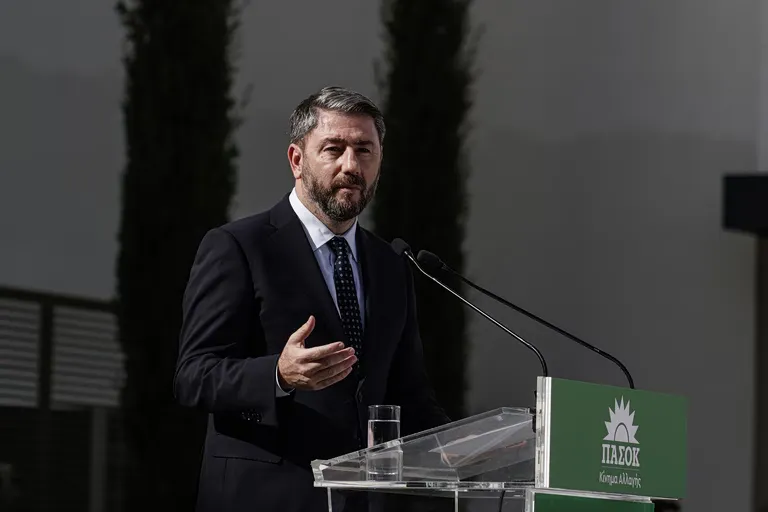
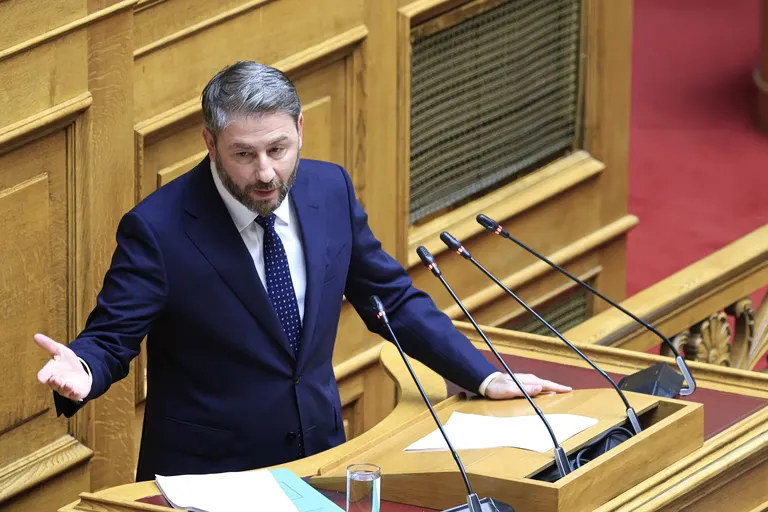
Nikos Androulakis, the leader of the official opposition, is utilizing these legislative moves to execute a dual-track political strategy in the Hellenic Parliament. His interventions are scheduled for both Tuesday and Thursday, targeting different legislative frameworks to maximize political impact.
The first objective involves a direct confrontation with the New Democracy (ND) government regarding the cost-of-living crisis. By introducing specific, actionable amendments like the energy cost proposal, Androulakis aims to challenge the government's narrative on economic management. This 'marking' of the government is intended to position PASOK as a proactive alternative rather than a purely reactive critic.
Differentiating PASOK from New Democracy
The second part of the strategy focuses on creating clear legislative distinctions between the opposition and the ruling party. This is particularly evident in the upcoming discussions regarding the IMF (International Monetary Fund) measures.
The parliamentary sessions provide a platform for Androulakis to achieve two specific goals:
- Undermining the government narrative: Using the energy cost debate to highlight perceived failures in the current administration's handling of inflation.
- Defining a distinct party identity: Establishing a 'government-ready' image for PASOK by presenting concrete policy alternatives that differ from the New Democracy approach.
By focusing on technical, high-impact issues such as electricity tariffs, the opposition seeks to build a credible policy platform that resonates with the concerns of the electorate.