PASOK pension amendment targets age restrictions for €400 allowance
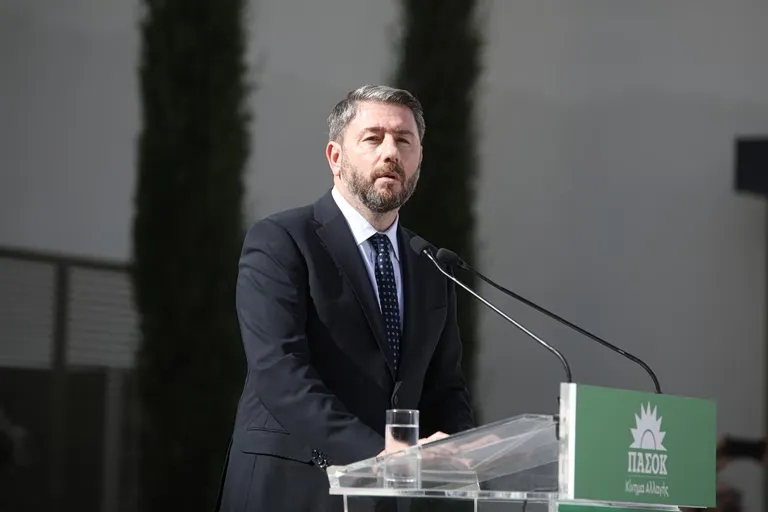
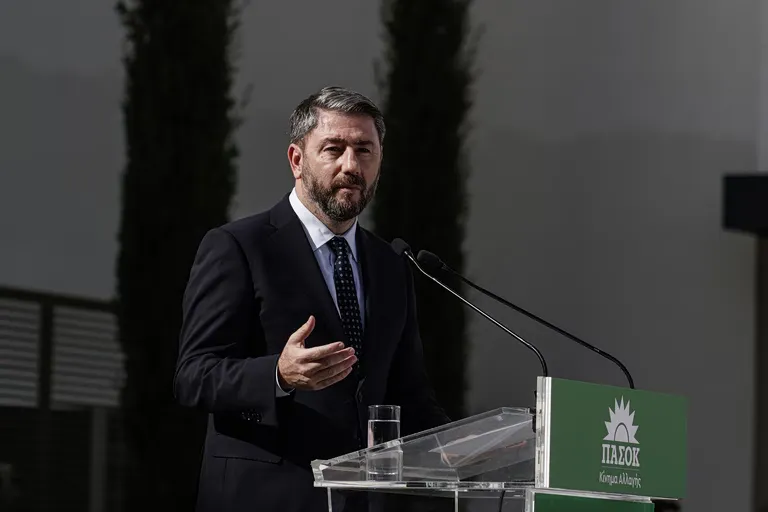
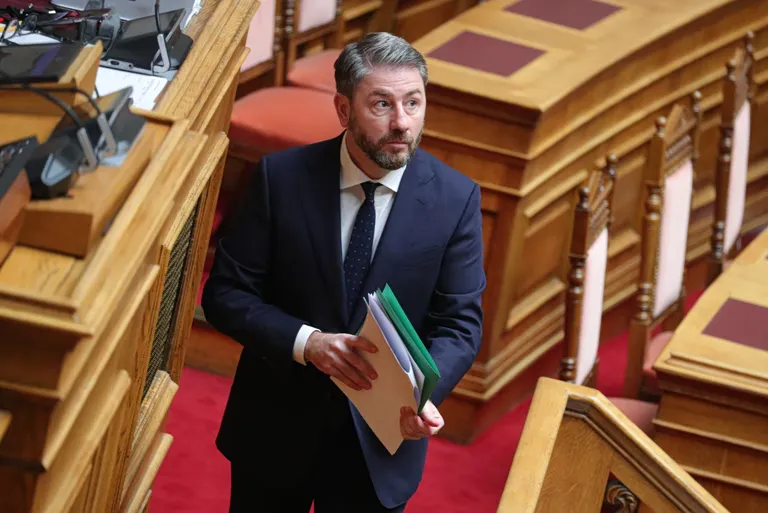
The PASOK leadership is submitting a new amendment to the Greek Parliament to demand the removal of age-related limitations regarding the payment of the €400 pension allowance. This legislative push aims to expand the eligibility criteria for retirees who currently fall outside the existing age brackets. The move is part of a broader strategy by PASOK to position its economic platform against the current government's legislative agenda during the ongoing parliamentary sessions.
The amendment seeks to ensure that the financial support provided to pensioners is distributed based on need and eligibility rather than strict age thresholds. By targeting these restrictions, PASOK intends to broaden its social support base and challenge the government's handling of elderly welfare. The debate is expected to be a central pillar of the upcoming sessions in the Plenary, where the opposition will attempt to draw a sharp contrast between its social policies and those of the ruling New Democracy party.
Strategic economic positioning in Parliament
PASOK's leadership, headed by Nikos Androulakis, is utilizing the parliamentary platform to engage in what the party describes as a "programmatic comparison." This approach seeks to move the political debate away from simple criticism and toward a detailed contest of two different economic visions. By presenting a fully-formed alternative to the government's bill, PASOK aims to capitalize on the perceived shortcomings of the current administration's fiscal management.
This strategy follows recent friction in which the government criticized PASOK's proposals for the reinstatement of the 13th pension and 13th month salary for public sector employees. The government had previously labeled these measures as "populist" and fiscally irresponsible. In response, PASOK is preparing to defend its proposals with specific costings to counter claims of fiscal irresponsibility.
Comparison of PASOK's 13th pension proposal phases
The PASOK proposal for reinstating the 13th pension is structured into two distinct phases to manage the fiscal impact on the national budget. Unlike the immediate implementation suggested by some critics, the party has outlined a multi-year rollout designed to ensure long-term sustainability. This phased approach is intended to mitigate the "populist" accusations leveled by New Democracy by providing a clear roadmap for implementation.
According to PASOK's internal calculations, the implementation of this measure would follow the schedule detailed below:
| Phase | Timing | Estimated Fiscal Cost |
|---|---|---|
| First Phase | Year 1 of implementation | €420 million |
| Second Phase | Year 3 of administration | €840 million |
The party maintains that this structured rollout allows for a controlled increase in public spending while fulfilling a significant social promise. By providing these specific figures, the opposition aims to shift the debate from ideological disagreement to a technical discussion regarding budgetary capacity and economic planning.
Diplomatic tensions over the Greece-Cyprus electricity cable
The political confrontation is extending into the realm of foreign policy, specifically regarding the strategic electricity interconnection cable between Greece and Cyprus. PASOK has intensified its pressure on the government following reports of a formal diplomatic note (démarche) sent by France to Turkey. This communication is linked to the ongoing "Navtex war" and the sovereignty issues surrounding the undersea cable project, which the opposition describes as a project of vital geopolitical importance for both Greece and Europe.
The opposition is demanding answers on whether the Greek government was informed of this French diplomatic intervention. The core of the dispute lies in whether the government approved the content of the note or was merely a recipient of the information. PASOK argues that the cable is not just an infrastructure project but a strategic asset that serves the sovereign rights of the country and the broader interests of the European Union.
The role of the French diplomatic note
The tension arose after it was revealed that the French state had issued a formal communication to Turkey regarding the maritime and energy interests in the region. This has led to a series of questions from the opposition regarding the level of coordination between Athens and Paris. PASOK is seeking to determine if the Greek government was aware of the specific contents of the note before it was dispatched.
Kostas Tsoukalas, the PASOK spokesperson, has highlighted the discrepancy between previous government statements and the current reality. He noted that while some officials suggested the contracting company might provide information, it was ultimately the French state that provided the update. This has led the opposition to question the transparency of the government's communication regarding the Greece-Turkey maritime front.
Government response and upcoming diplomatic briefings
In response to the mounting pressure, the Greek government is attempting to manage the flow of information regarding the Greece-Turkey maritime situation. According to reports, a communication was established between the Ministry of Foreign Affairs and Dimitris Mantzou, the relevant PASOK sector head. The government intends to provide updates to the official opposition leader to clarify the developments on the maritime front.
George Gerapetritis, the Minister of Foreign Affairs, is expected to brief Nikos Androulakis on the latest developments regarding the Greece-Turkey "front" on Saturday morning. This move is seen as an attempt to address the opposition's demands for transparency and to prevent the diplomatic issue from becoming a source of political instability. The government's goal is to demonstrate that it is managing the complexities of the Navtex dispute and the energy cable project with the necessary seriousness and professional oversight.