The significance of political presence in social movements
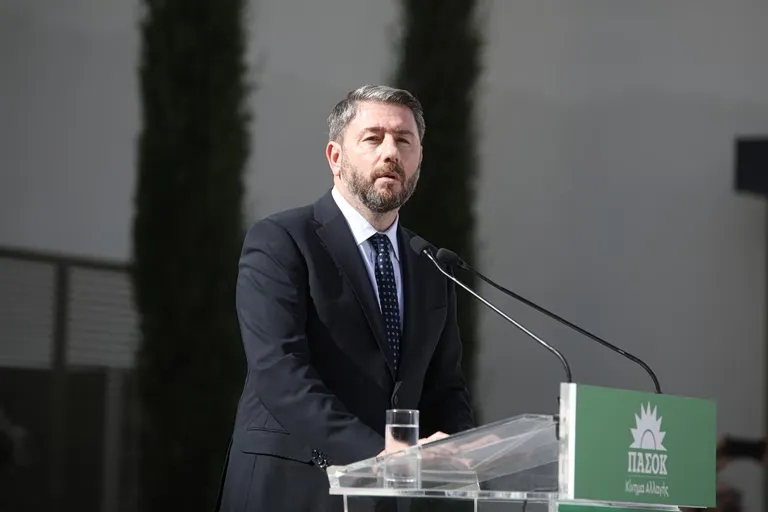
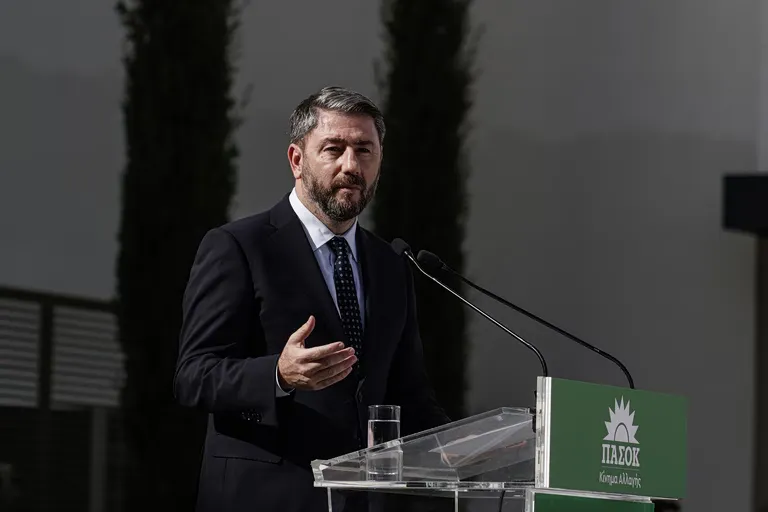
Alexis Tsipras' decision to walk alongside protesters in Paris serves as a focal point for discussing the role of political figures in contemporary social struggles. While some commentators focused on superficial details such as his companions or attire, the underlying action represented a deliberate choice of political alignment. By joining a movement that is reshaping power dynamics in Europe, Tsipras signaled a departure from the traditional role of a politician as a mere manager of existing systems.
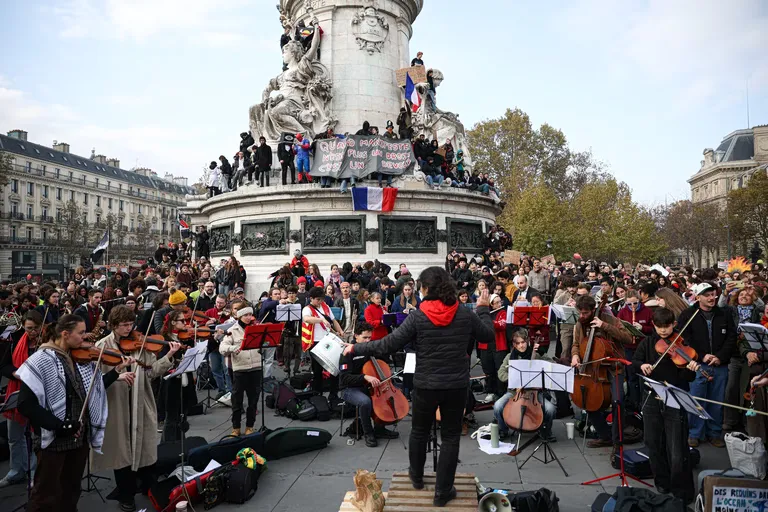
The movement in France is characterized as one of the most significant social uprisings in modern Europe. It is viewed not only as a demand for democratic reform but also as a structural response to the rise of far-right ideologies. For a political actor, presence in such a movement is an act of solidarity that moves beyond the language of fiscal discipline and investment stability, positioning the individual within the 'street' rather than the halls of administrative management.
The reaction to political solidarity
The reaction to Tsipras' presence in France varied significantly across the political spectrum. Some critics argued that participating in anti-government demonstrations abroad could be viewed as unpatriotic, particularly if it were perceived to undermine international alliances. This perspective suggests that political figures should prioritize diplomatic stability and state interests above all else. However, this critique often bypasses the core issue: the distinction between managing a state and representing a social class.
Management versus representation in modern politics
A central conflict in contemporary governance is the distinction between 'managing' affairs and truly 'representing' a population. According to the editorial analysis by Lefteris Th. Charalampopoulos, much of modern politics has devolved into an effort to maintain the status quo, ensuring that existing economic and social structures remain undisturbed. This approach prioritizes 'flexibility,' 'low costs,' and 'investment-friendly' environments, often at the expense of the broader social fabric.
True political representation, by contrast, requires making decisions that address the needs of the social majority, even when those decisions clash with established interests. The following table illustrates the divergent approaches described in the current political climate:
| Aspect | Management Approach | Representation Approach |
|---|---|---|
| Primary Goal | Maintenance of the status quo | Implementation of structural change |
| Economic Focus | Fiscal discipline and investment | Income redistribution and social protection |
| Political Stance | Preserving existing power dynamics | Confronting obstructive interests |
| Social View | Managing social unrest | Responding to social demands |
When politicians choose to act as managers, they often align themselves with those who benefit from current government privileges and international funding. When they act as representatives, they tend to align with workers, the middle class, and the youth who are actively protesting against the current systemic limitations.
The drivers of social unrest across Europe
Social unrest is not an isolated phenomenon but a symptom of deep rifts within European societies. Governments and economic systems are increasingly seen as being designed to prioritize fiscal stability while placing social needs in parentheses. This tension has created a state of 'social boiling' where the gap between those in power and the general population continues to widen.
The core demands driving these movements are consistent across various European contexts. These demands represent a rejection of a system that prioritizes economic metrics over human welfare. Key drivers include:
- Income Redistribution: A demand for a fairer share of economic growth.
- Social Protection: Strengthening the safety nets that protect the vulnerable.
- Public Services: The urgent need for upgraded healthcare and education systems.
- Decent Compensation: Ensuring wages and pensions allow for a dignified life.
- Accountability: A demand for transparency and true democratic participation.
This widespread discontent suggests that the current economic model, which emphasizes cost-efficiency and investment stability, is failing to meet the fundamental requirements of the social majority.
The choice of political sides in a divided era
The current era forces a clarity of position that was perhaps less required in previous decades. Politicians are increasingly pressured to declare which side they stand on: the side of the youth and the organized labor movements, or the side of those who benefit from existing government privileges and the current economic order. This choice is not merely symbolic; it dictates the direction of policy and the potential for real progress.
The editorial suggests that the ability of a political party to represent the majority is directly tied to its willingness to enter into conflict with interests that act as obstacles to social progress. If politics is viewed only as the daily effort to keep things as they are, it fails to address the social explosions that are currently being triggered by systemic inequality. To achieve progress, political actors must move beyond the language of 'flexibility' and engage with the actual needs of the people, acknowledging that real change requires confronting the very structures that currently maintain stability.
The implications for the future of democracy
The rise of social movements serves as a critical test for democratic institutions. If political parties continue to prioritize the management of the economy over the representation of the people, the rift between society and the state may become irreparable. The choice of political alignment is therefore a choice between a managed decline and a transformative future that seeks to reintegrate social needs into the heart of political decision-making.