Mass Abduction at Nigerian Mosque Raises Alarm Over Worsening Security Crisis
An armed criminal gang carried out a large-scale kidnapping operation targeting worshippers at a mosque in Nigeria, abducting more than 60 people in what authorities are describing as yet another alarming episode in the country's deepening security crisis. The incident adds to a long and troubling pattern of mass abductions that have plagued multiple regions across the West African nation.
A Growing Pattern of Violence
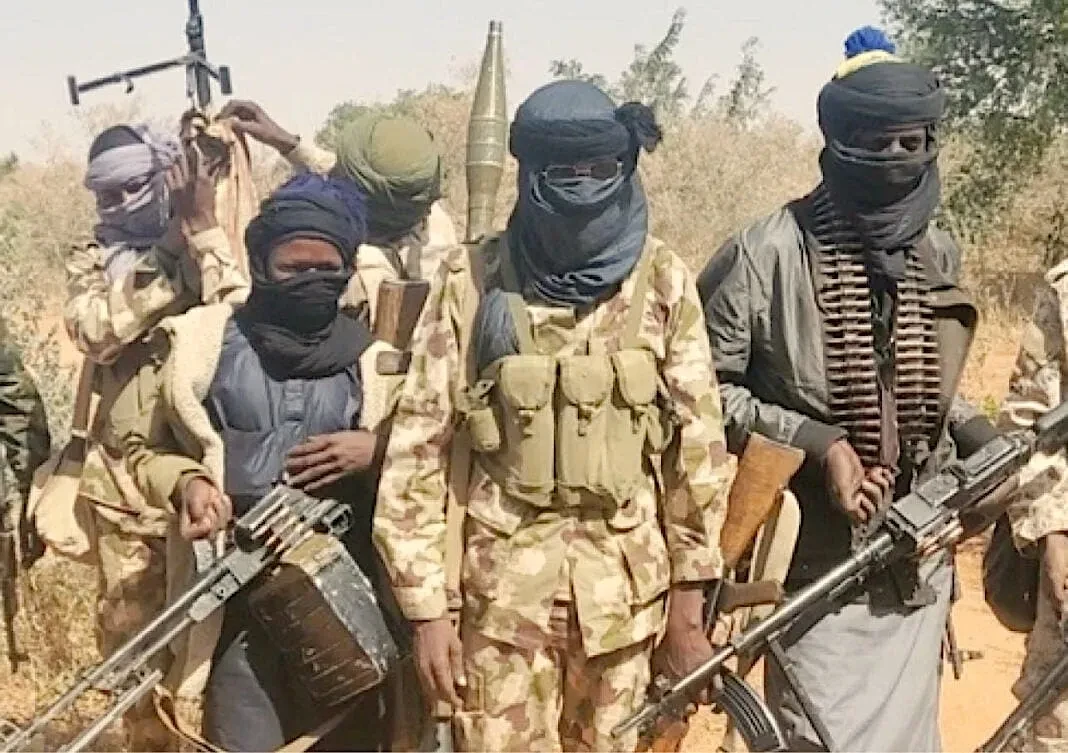
Mass kidnappings have become an increasingly common occurrence across various parts of Nigeria, particularly in the northwest and central regions of the country. Heavily armed criminal gangs — often referred to locally as bandits — have been systematically targeting civilian populations in a wide range of settings, including rural villages, schools, religious sites, and major highways.
These groups are known to operate with sophisticated weaponry and a high degree of coordination, enabling them to overwhelm local defenses and security personnel. Their primary motivation is typically financial: victims are held captive while their families or communities are pressured into paying substantial ransoms for their release.
Religious Sites No Longer Safe
The targeting of a mosque in this latest incident underscores a disturbing shift in the tactics used by these criminal networks. Places of worship, long considered sanctuaries even amid widespread insecurity, are increasingly being treated as vulnerable targets. The brazen nature of the attack — carried out in a communal religious space during what would normally be a time of gathering and prayer — has sent shockwaves through local communities and prompted renewed calls for government action.
Community leaders and local officials have expressed deep concern over the psychological and social impact that repeated abductions are having on civilian populations. Many residents in affected areas live in a constant state of fear, with some abandoning their homes and livelihoods in search of safer environments elsewhere.
Nigeria's Kidnapping Crisis in Context
Nigeria has struggled with kidnapping for ransom for well over a decade, but the scale and frequency of mass abductions have escalated significantly in recent years. The problem is most acute in the northwest, where bandit gangs have effectively taken control of large swaths of rural territory, operating with near impunity despite military and police operations aimed at dismantling them.
Some of the most high-profile kidnapping incidents in Nigeria's recent history involved schoolchildren. The abduction of hundreds of girls from a secondary school in Chibok in 2014 by the extremist group Boko Haram drew international condemnation and sparked the global #BringBackOurGirls movement. Since then, numerous other school attacks and mass abductions have taken place, carried out by both Boko Haram-affiliated factions and criminal gangs motivated purely by profit rather than ideology.
Unlike the ideologically driven violence of Boko Haram and its splinter group the Islamic State West Africa Province (ISWAP), the bandit gangs responsible for many of the recent kidnappings in the northwest are primarily financially motivated. This distinction, while important, does little to mitigate the devastating human cost of their activities.
Security Forces Under Pressure
Nigerian security forces face enormous challenges in responding to the kidnapping crisis. The country's vast and often difficult terrain, combined with porous borders and limited resources, makes it challenging to mount effective and sustained operations against mobile and well-armed criminal groups. Critics have argued that the government's response has been slow and inadequate, while authorities maintain that ongoing military campaigns are making progress in degrading the capabilities of these groups.
In recent years, the Nigerian government has launched several military offensives aimed at reclaiming territory from bandit groups and disrupting their operations. Some operations have resulted in the rescue of kidnapping victims and the neutralization of gang leaders, but critics argue that these successes have been insufficient to fundamentally alter the security landscape.
There have also been controversies surrounding negotiations and alleged payments of ransoms, with debates ongoing about whether such approaches incentivize further abductions or serve as a pragmatic means of securing the release of hostages when military options are limited.
Impact on Communities and Civil Society
The humanitarian consequences of Nigeria's kidnapping epidemic are extensive. Families are often left financially devastated after selling assets or taking on debt to pay ransoms. Many victims, particularly women and children, suffer lasting psychological trauma following their ordeals in captivity. In some cases, captives have been held for months or even years before being released or rescued.
Educational access has also been severely disrupted in many affected regions. Numerous schools have been forced to close following attacks or threats, depriving thousands of children of their right to education. Parents in high-risk areas are often reluctant to send their children to school, fearing they could become targets.
Civil society organizations and human rights groups have repeatedly called for a more comprehensive and coordinated national strategy to address the root causes of insecurity, including poverty, unemployment, and weak governance in rural areas. They argue that military action alone is insufficient and must be accompanied by investment in economic development and community resilience.
International Concern
The international community has repeatedly expressed concern over the security situation in Nigeria. Various foreign governments and international organizations have called on Nigerian authorities to take more decisive action to protect civilians and hold perpetrators accountable. Nigeria's partners have also offered varying levels of support, including intelligence sharing and capacity-building assistance for security forces.
Despite these efforts, the kidnapping crisis remains one of the most pressing security challenges facing Nigeria today. With more than 60 individuals now reportedly in the hands of an armed gang following the latest mosque attack, pressure on the government to deliver tangible results is once again intensifying.
The fate of those abducted in the mosque incident remains unknown at the time of reporting, and it is unclear whether negotiations for their release have commenced or whether security forces are actively pursuing the perpetrators.