A Deadly Attack Shakes Sweden's Schools
Sweden is grappling with the aftermath of a deeply disturbing incident after a 17-year-old female student was killed in a sword attack at her school. The killing has sent shockwaves through the country, prompting authorities to launch a broad investigation that now extends well beyond the physical crime scene and into the darker corners of the internet.
Law enforcement officials have confirmed that the suspect's apparent connections to online spaces known for promoting and glorifying violence have become a central focus of the inquiry. Investigators are working to understand the extent to which these digital environments may have played a role in radicalizing the attacker and motivating the assault.
Online Communities Under the Microscope
Swedish police are now actively scrutinizing a number of online communities that are believed to have circulated violent extremist content. Of particular concern to investigators are references within these communities to Anders Breivik, the Norwegian far-right terrorist responsible for the mass murders in Norway in 2011, in which 77 people lost their lives. Breivik has since become a reference point and, in some extremist circles, a figure of admiration among individuals drawn to violent ideologies.
Authorities are working to determine whether the perpetrator of the Swedish school attack was actively engaged in these online spaces, and whether other members of such communities may pose further risks to public safety. The investigation is examining chat logs, forum activity, and other digital communications to build a clearer picture of the suspect's ideological leanings.
The Growing Threat of Online Radicalization
The case has reignited debate in Sweden and across Europe about the dangers posed by online radicalization, particularly among young people. Experts in extremism and digital safety have long warned that certain internet forums and encrypted messaging platforms can serve as breeding grounds for violent ideologies, offering vulnerable individuals a sense of belonging and a distorted worldview that glorifies mass violence.
Several key concerns have emerged in the wake of the attack:
- The ease with which extremist content circulates on both mainstream and fringe online platforms
- The difficulty authorities face in monitoring and disrupting these communities without infringing on civil liberties
- The speed at which radicalization can occur, particularly among teenagers and young adults
- The glorification of real-world perpetrators of mass violence, including Breivik, within certain online subcultures
Security analysts note that online communities referencing figures like Breivik often attract individuals who are socially isolated or harbor deep grievances, and that these spaces can accelerate the move from passive consumption of extremist content to active planning of violence.
Authorities Respond to Public Concern
Swedish officials have sought to reassure the public while simultaneously acknowledging the seriousness of the threat. Police have indicated that the investigation is ongoing and that they are coordinating with cybersecurity experts and international partners to trace the origins and reach of the online communities in question.
In a statement, Swedish law enforcement emphasized that no avenue of inquiry is being overlooked, and that understanding the full context of the attack — including any online networks that may have influenced the perpetrator — is essential to preventing similar incidents in the future.
School authorities across the country have also been placed on heightened alert, with many institutions reviewing their security protocols in response to the attack. Mental health professionals and crisis counselors have been deployed to support students and staff at the affected school, as well as at other institutions where anxiety levels have risen significantly.
A Broader European Context
The Swedish incident does not exist in isolation. Across Europe, security agencies have increasingly flagged the threat posed by lone actors who are radicalized online and motivated by a mixture of far-right ideology and personal grievances. Several high-profile attacks in recent years have been linked to individuals who were active in extremist online communities prior to carrying out violence.
European Union officials have been pushing for stricter regulations requiring online platforms to take down harmful content more quickly and to cooperate more fully with law enforcement agencies when credible threats are identified. The Swedish case may add further urgency to those calls, as it illustrates the potential real-world consequences of unchecked extremist activity on the internet.
Security analysts note that online communities referencing figures like Breivik often attract individuals who are socially isolated or harbor deep grievances, and that these spaces can accelerate the move from passive consumption of extremist content to active planning of violence.
Questions About Prevention and Responsibility
As the investigation continues, broader questions are being raised about where responsibility lies for preventing online radicalization. Critics argue that technology companies have been slow to act against communities that promote violence, often citing free speech protections or claiming that detecting such content at scale is technically challenging.
Others point to the need for improved mental health support in schools and communities, arguing that young people who are vulnerable to radicalization often show warning signs that go unnoticed or unaddressed by those around them. A combination of better digital monitoring, community outreach, and early intervention, many experts suggest, is necessary to address the problem effectively.
Parents, educators, and youth workers have also been urged to familiarize themselves with the warning signs of online radicalization, including sudden changes in behavior, withdrawal from social activities, and the consumption of extremist content. Guidance from Swedish authorities on recognizing these signs is expected to be updated and redistributed to schools in the coming weeks.
The Victim and the Suspect
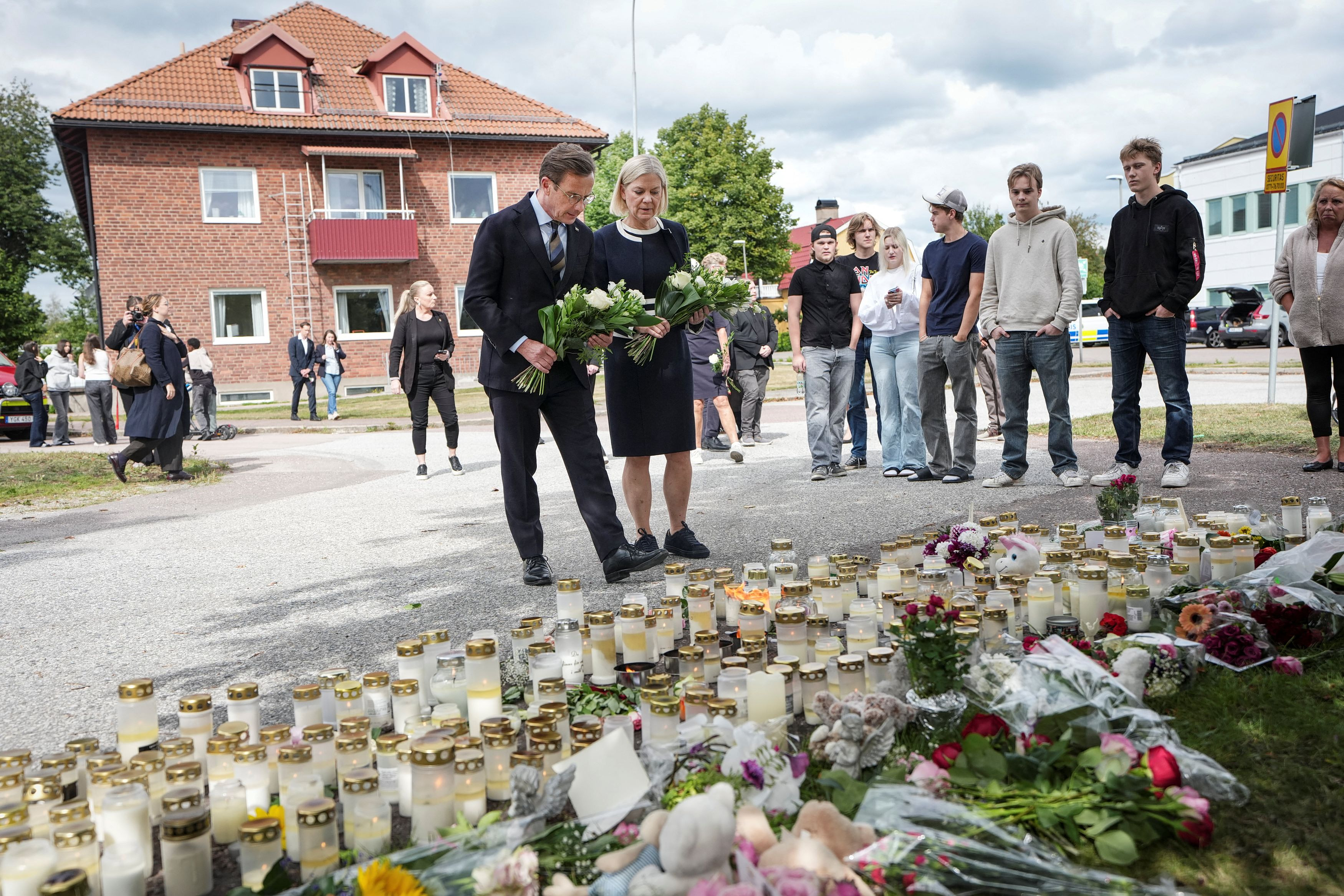
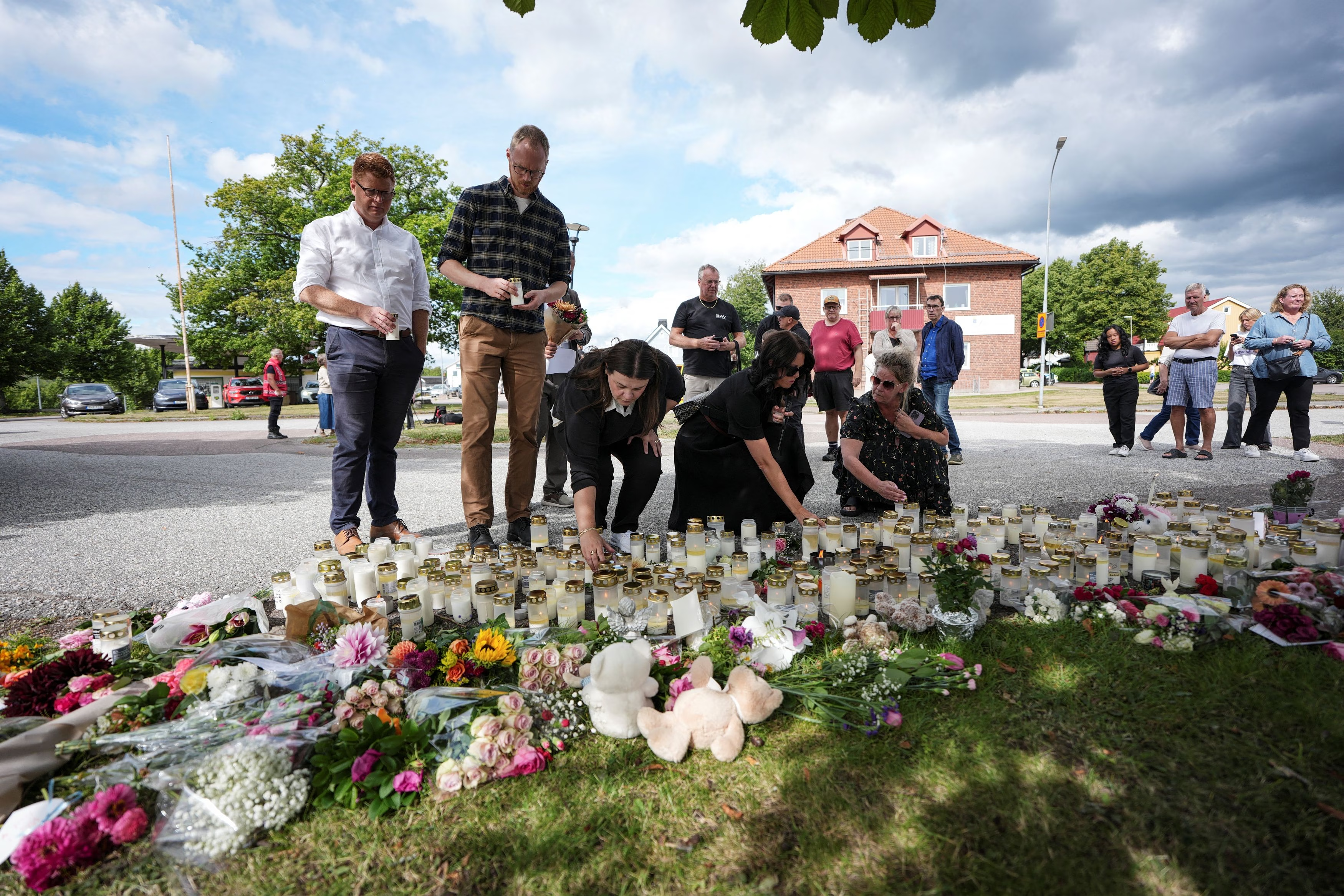
The 17-year-old student who lost her life in the attack has been mourned widely across Sweden, with tributes pouring in from classmates, teachers, and public figures. Her death has been described by many as a tragic and senseless loss, and has prompted calls for swift justice as well as meaningful systemic change.
The suspect, whose identity has not been publicly disclosed given the ongoing nature of the investigation, is believed to be a young individual. Authorities have not yet released full details regarding the suspect's background or their level of involvement in the online communities currently under investigation. Legal proceedings are expected to unfold over the coming months as the case moves through the Swedish justice system.
For now, Sweden finds itself confronting difficult and uncomfortable questions about the intersection of digital life, extremism, and youth violence — questions that show no sign of becoming any easier to answer.