Severe Weather Strikes Northeastern Spain
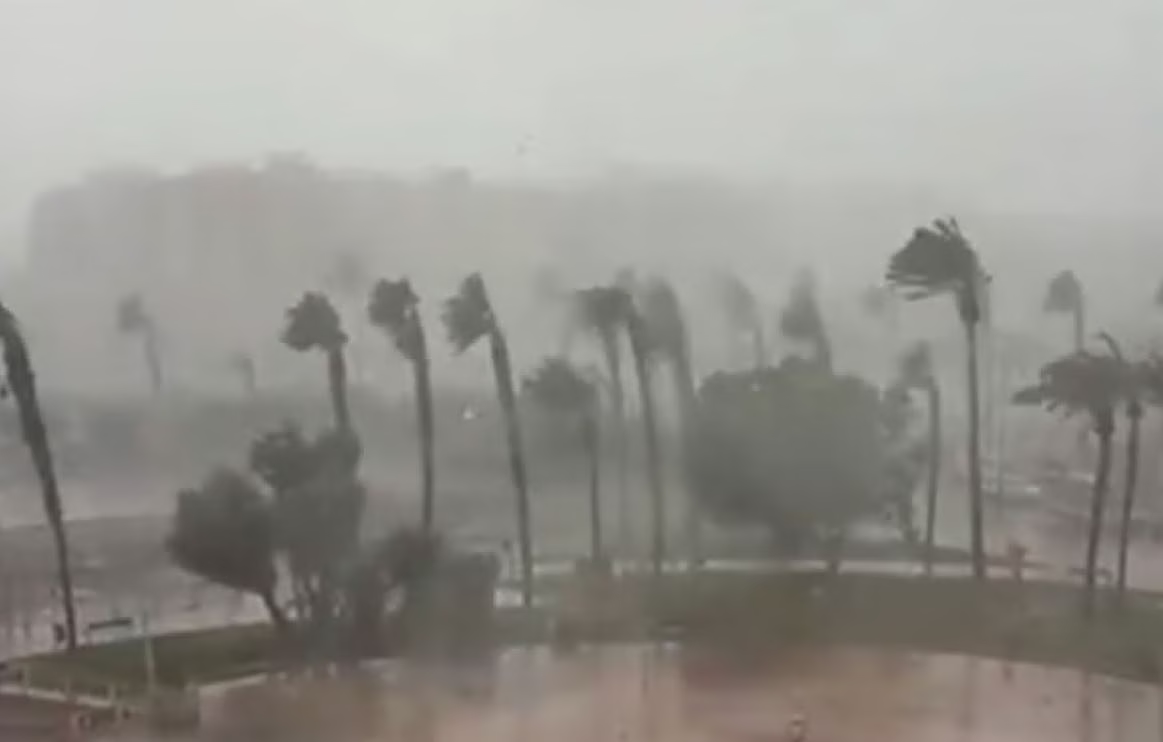
A powerful bout of heavy rainfall swept across northeastern Spain, leaving at least seven people injured and prompting emergency evacuations of camping facilities in the region. The intense storms caused significant disruption, raising concerns about the safety of residents and visitors caught in the affected zones.
Injuries and Immediate Impact
According to available information, a minimum of seven individuals sustained injuries as a direct result of the violent weather conditions. Authorities moved swiftly to respond to the unfolding situation, coordinating evacuation efforts to ensure the safety of those in vulnerable locations, particularly campers who were exposed to the elements without substantial shelter.
Campgrounds in the affected areas were among the most immediately impacted sites. Given their open-air nature and the limited structural protection they offer, camping facilities are particularly susceptible to the dangers posed by sudden and intense rainfall events. Emergency services worked to relocate campers to safer areas as conditions deteriorated.
A Pattern of Extreme Weather
The storm system that struck northeastern Spain is part of a broader pattern of extreme weather events that have increasingly affected the Iberian Peninsula and wider Mediterranean region in recent years. Scientists and meteorologists have noted that episodes of intense precipitation, often described as DANA events — cold air masses dropping into warm lower altitudes — have become more frequent and more destructive across Spain.
Northeastern Spain, which includes regions such as Catalonia and Aragon, is no stranger to powerful storm systems, particularly during the late summer and early autumn months. The transition between seasons often creates conditions favorable for the development of severe thunderstorms and heavy downpours, which can lead to flash flooding, landslides, and other hazards.
Emergency Response Efforts
Local emergency services, civil protection units, and other relevant authorities mobilized quickly following the onset of the storms. Evacuation orders were issued for the most at-risk areas, with a particular focus on campgrounds and other outdoor recreational sites where large numbers of people had gathered.
The response involved coordinating the movement of potentially hundreds of individuals to safer ground, a logistically complex operation given the rapidly changing weather conditions. Roads and access routes in some areas may have also been affected by flooding or debris, complicating the movement of both evacuees and emergency personnel.
Medical teams were dispatched to treat those who had been injured, with the seven reported casualties representing those who required some form of medical attention. The severity of individual injuries was not immediately specified, though the situation appeared to be manageable rather than catastrophic in terms of the number of people directly harmed.
Broader Context: Spain's Vulnerability to Flash Flooding
Spain has faced a series of severe weather events in recent years that have highlighted the country's vulnerability to extreme precipitation. Flash flooding, in particular, has proven deadly and destructive across various parts of the country. Entire communities have been cut off, infrastructure has been damaged, and lives have been lost in previous incidents.
The events in northeastern Spain serve as a reminder of the ongoing risks posed by extreme weather, especially during periods when warm, humid air masses interact with cooler atmospheric systems. Meteorological agencies continue to monitor such developments closely, issuing warnings and alerts to allow authorities and the public to prepare and respond accordingly.
Spain's geography plays a significant role in its susceptibility to these events. Mountainous terrain in many parts of the country can accelerate the accumulation of rainwater, channeling it into rivers, ravines, and valleys with potentially devastating speed and force. Camping areas situated in or near such topographical features are especially exposed to the risks associated with sudden flooding.
Ongoing Monitoring and Precautionary Measures
In the wake of the storms, authorities were expected to continue monitoring weather conditions across the affected regions. Meteorological agencies typically maintain heightened alert levels following significant weather events, as conditions can remain unstable for extended periods.
Residents and travelers in the region were likely advised to stay informed through official channels, avoid areas prone to flooding, and follow any instructions issued by local emergency management bodies. Campgrounds and outdoor recreational sites may have remained closed or subject to restrictions while authorities assessed the extent of any damage and ensured conditions were safe for re-entry.
The incident underscores the importance of robust early warning systems and coordinated emergency response infrastructure, both of which are critical for minimizing harm when extreme weather events occur with little warning. Spain, like many countries in southern Europe, continues to invest in and develop these systems in response to the growing frequency of severe weather episodes.
Looking Ahead
As climate patterns continue to evolve, weather-related incidents such as the one that struck northeastern Spain are expected to remain a significant concern for emergency planners, government officials, and the general public alike. The combination of changing atmospheric dynamics and the increasing presence of people in outdoor and semi-protected environments during summer and early autumn months creates conditions where the impact of severe storms can be both widespread and difficult to fully mitigate.
For now, attention remains focused on the recovery of those injured and the safe return of evacuated individuals to their homes or accommodations, while emergency teams assess the full scope of the damage left behind by the powerful storm system.