Examining the Economic Landscape: A Critical Perspective
In recent years, public discourse has frequently centered on the state of the national economy, with various official statements highlighting signs of growth and recovery. However, a more detailed analysis suggests that the lived experiences of many citizens may not entirely align with these optimistic portrayals. While certain economic indicators might show improvement, the benefits appear to be unevenly distributed, leading to a complex picture of national prosperity.
One of the primary concerns articulated by various observers is the concept of 'low convergence.' This refers to the slow pace at which the national economy is catching up to the average economic performance of more developed nations or regions. Despite efforts to stimulate growth, the gap in per capita income and overall economic output remains significant. This slow convergence can have long-term implications for a nation's competitive standing on the global stage and its ability to provide a high standard of living for its populace.
The Challenge of Affordable Housing
A particularly pressing issue that directly impacts the daily lives of many is the escalating cost of housing. Across various urban and even semi-urban areas, rental prices and property values have seen substantial increases, outpacing wage growth for a significant portion of the population. This phenomenon makes securing affordable housing an increasingly difficult endeavor, especially for young professionals, families, and individuals with moderate incomes. The housing crisis is not merely an economic problem; it has profound social consequences, affecting quality of life, access to employment, and social mobility.
Several factors contribute to this rise in housing costs. These often include a combination of limited housing supply, increased demand (sometimes fueled by foreign investment or short-term rental markets), and a lack of adequate regulatory frameworks to ensure affordability. The imbalance between supply and demand, coupled with speculative activities, can create a market where housing becomes a luxury rather than an accessible necessity. This situation can lead to displacement, increased commute times, and a general reduction in disposable income for those who manage to secure housing, as a disproportionate amount of their earnings is allocated to rent or mortgage payments.
Diminished Purchasing Power and Wage Stagnation
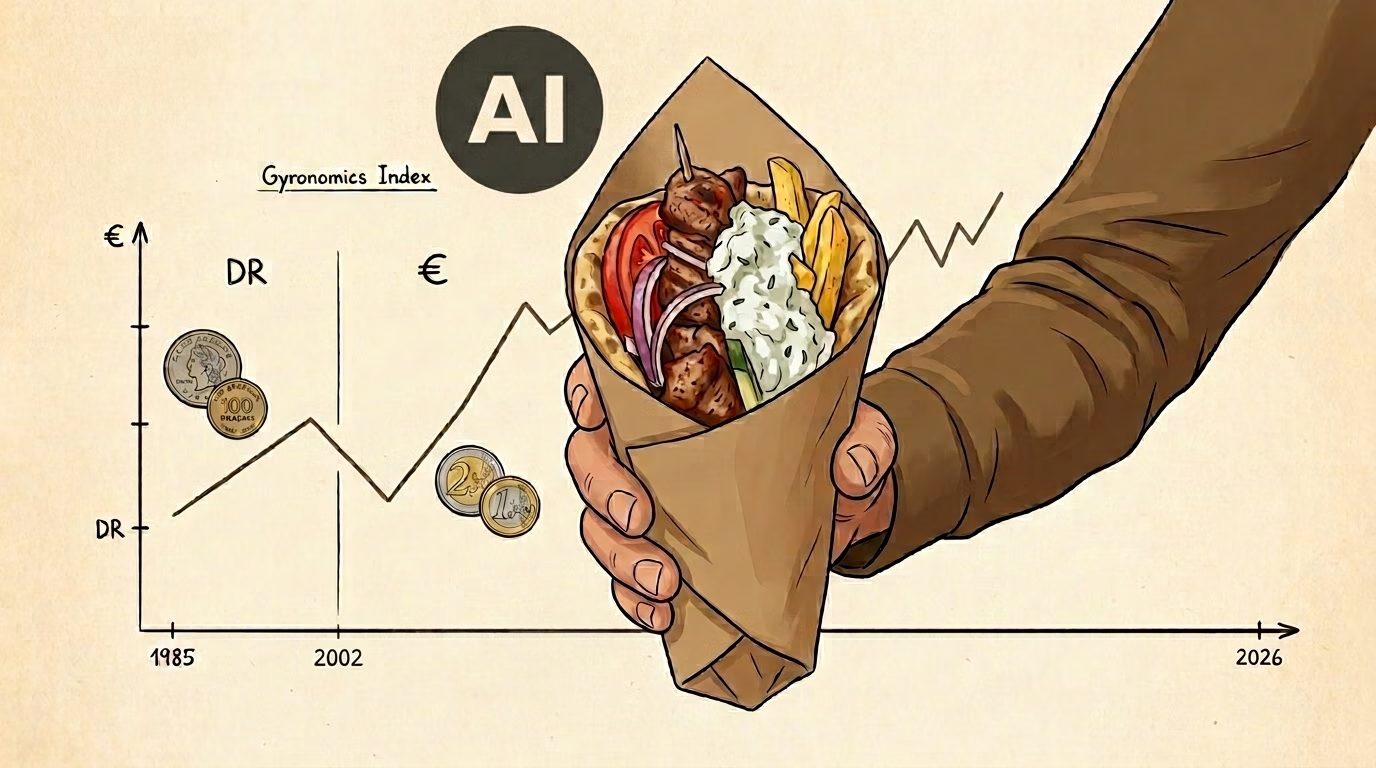
Another critical aspect of the current economic climate is the perceived limitation in purchasing power. Even if nominal wages have seen some increases, these gains often fail to keep pace with inflation, particularly the rising costs of essential goods and services. This disparity means that the average household finds itself with less discretionary income, making it harder to afford daily necessities, save for the future, or engage in leisure activities. The erosion of purchasing power can have a ripple effect throughout the economy, as reduced consumer spending can hinder overall economic growth.
Wage stagnation, especially for entry-level and middle-income positions, further exacerbates this issue. While certain high-skill sectors might experience wage growth, a broader segment of the workforce often finds their salaries remaining relatively stagnant. This creates a widening gap between different segments of the labor market and contributes to income inequality. The combination of rising living costs and stagnant wages creates a challenging economic environment for many, potentially leading to increased household debt and financial insecurity.
The Role and Responsiveness of Public Administration
Beyond individual economic struggles, there are also concerns regarding the efficacy and responsiveness of public administration. A well-functioning government is expected to provide essential services, maintain infrastructure, and create an environment conducive to economic stability and social well-being. However, criticisms have emerged concerning the ability of the state to adequately address the evolving needs of its citizens.
These concerns often manifest in various forms, such as perceived bureaucratic inefficiencies, delays in public service delivery, or a lack of effective policy implementation. For instance, in areas like healthcare, education, or public transportation, citizens may encounter challenges that suggest a disconnect between governmental provisions and actual public requirements. An unresponsive or inefficient public sector can hinder economic progress, deter investment, and ultimately diminish public trust. When citizens feel that their government is not adequately serving their needs, it can lead to broader societal dissatisfaction and a lack of confidence in institutional structures.
Beyond the Numbers: Human Impact of Economic Policies
It is crucial to look beyond aggregate economic figures and consider the human impact of economic policies. While macroeconomic indicators like GDP growth or foreign investment might paint a picture of progress, these figures do not always reflect the ground reality for the majority of the population. True prosperity is often measured by the well-being of individuals, their access to opportunities, and their ability to live a life free from undue economic stress.
The current economic narrative thus presents a dichotomy: on one hand, official reports may trumpet achievements and positive trends, while on the other, many citizens grapple with rising costs, stagnant wages, and challenges in accessing fundamental services. This divergence underscores the importance of a holistic approach to economic policy, one that not only aims for growth but also prioritizes equitable distribution of wealth, social welfare, and the creation of genuine opportunities for all segments of society.
Looking Ahead: Pathways to Inclusive Prosperity
Addressing these multifaceted challenges requires a comprehensive and coordinated effort. Policies aimed at increasing affordable housing supply, regulating rental markets, and investing in social housing initiatives could alleviate the burden on many households. Similarly, strategies to boost real wages, combat inflation, and strengthen social safety nets are vital for enhancing purchasing power and reducing financial precarity.
Furthermore, improvements in public administration, including streamlining bureaucratic processes, enhancing service delivery, and fostering greater transparency and accountability, are essential for rebuilding public trust and ensuring that governmental structures effectively serve the populace. Ultimately, the goal should be to foster an economic environment where growth translates into tangible improvements in the quality of life for the many, rather than just for a select few. This involves a commitment to inclusive development, where economic progress is measured not just by statistics, but by the widespread well-being and prosperity of all citizens.