Eurozone Consumer Sentiment: A Mixed Picture in July
The latest data on consumer expectations across the Eurozone paints a nuanced picture for July, with modest gains in inflation outlooks offset by a deterioration in how households perceive their future income. While some countries showed signs of gradual recovery in confidence, Greece once again found itself at the bottom of the rankings, maintaining its position as the most pessimistic nation in the currency bloc.
Consumer sentiment surveys are closely watched by policymakers and economists as leading indicators of economic behavior. When households expect prices to rise or their incomes to fall, they tend to reduce spending, which can have broader implications for economic growth. The July figures suggest that, although conditions are slowly stabilizing in parts of the Eurozone, the recovery in consumer confidence remains uneven and fragile.
Inflation Expectations Edge Slightly Lower
Across the Eurozone, consumers slightly revised down their expectations for future inflation during the month of July. This represents a modest but notable shift, as elevated inflation expectations have been a persistent concern since the energy and supply chain shocks of recent years. Lower anticipated inflation can encourage spending and reduce the urgency for further monetary tightening, making it a welcome development for central bank observers.
The marginal easing in inflation expectations aligns with broader trends seen in official data, which have shown headline inflation gradually retreating from its peak levels. However, core inflation — which strips out volatile food and energy prices — has proven more stubborn, keeping many households cautious about their financial futures.
Despite this small improvement, the overall level of concern about rising prices remains elevated by historical standards. Many consumers across the bloc continue to feel the lingering effects of the cost-of-living squeeze that intensified in the aftermath of the pandemic and the energy crisis triggered by geopolitical tensions in Eastern Europe.
Income Expectations Worsen Across the Region
In contrast to the slight easing in inflation concerns, expectations related to household income took a turn for the worse in July. Consumers across multiple Eurozone economies reported a more pessimistic outlook for their earnings over the coming months, a development that could weigh on consumer spending and overall economic momentum.
Stagnating wages, high living costs, and uncertainty in labor markets are among the factors contributing to this downward shift in income expectations. Even in economies where unemployment rates remain relatively low, many workers are not experiencing real wage growth that keeps pace with the cost of living. This gap between nominal earnings and purchasing power continues to erode confidence in personal financial circumstances.
The deterioration in income expectations is particularly concerning because it suggests that households may begin to curtail discretionary spending, potentially dampening demand in sectors ranging from retail to hospitality and services.
Greece at the Bottom of the Eurozone Confidence Rankings
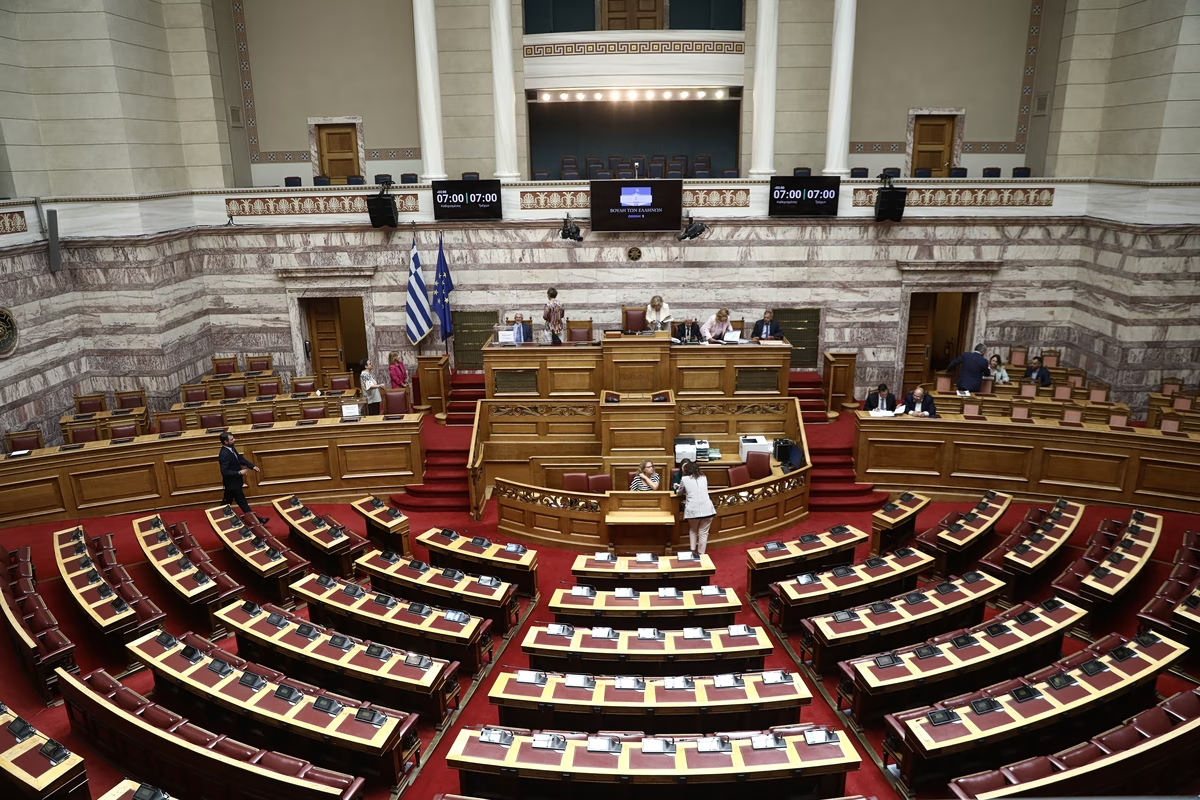
Among all Eurozone member states, Greece continues to record the weakest consumer sentiment. Despite a marginal improvement in some indicators during July, Greek consumers remain significantly more pessimistic than their counterparts elsewhere in the currency union. This persistent gap reflects a combination of structural economic challenges, high living costs relative to income levels, and lingering social anxieties about economic stability.
Greece's ongoing struggle with consumer confidence is not a new phenomenon. The country endured one of the most severe economic crises in modern European history during the 2010s, and while significant progress has been made in stabilizing public finances and returning to growth, the psychological and material effects of that period continue to shape how many Greeks perceive their economic reality.
- High energy and food prices continue to strain Greek household budgets disproportionately compared to wealthier Eurozone members.
- Income levels in Greece remain among the lowest in the Eurozone, amplifying the impact of inflationary pressures.
- Access to credit and financial buffers is more limited for many Greek households than for those in northern European countries.
- Uncertainty surrounding the labor market and pension security adds to long-term pessimism among consumers.
Why Consumer Expectations Matter for Economic Policy
Consumer expectations are not merely a reflection of how people feel — they are a powerful driver of actual economic behavior. When confidence is low, households tend to save more and spend less, which can create a self-fulfilling cycle of reduced economic activity. Conversely, when expectations improve, spending tends to rise, supporting growth and employment.
For policymakers, these surveys provide critical real-time intelligence about the economic climate. The European Central Bank (ECB), for instance, monitors consumer inflation expectations carefully as part of its assessment of whether monetary policy is achieving its goals. If households believe inflation will remain high, it can influence wage negotiations and price-setting behavior in ways that make inflation harder to control.
The persistence of pessimistic consumer expectations in certain parts of the Eurozone underscores the challenge facing policymakers who must balance the need to control inflation with the imperative of supporting economic growth and household welfare.
Looking Ahead: Will Sentiment Improve?
The trajectory of consumer expectations in the coming months will depend on several factors. Chief among them is the path of inflation, particularly in energy and food categories that directly affect household budgets. If prices continue to moderate, consumers may gradually revise their outlooks upward. However, new shocks — whether from geopolitical developments, supply disruptions, or financial market volatility — could quickly reverse any progress.
For Greece specifically, the road to improved consumer confidence may be longer. Structural reforms, investment in productivity, and wage growth that outpaces inflation will all be necessary to meaningfully shift sentiment over time. Short-term improvements may be possible, but a sustained shift in the country's position at the bottom of the Eurozone confidence league table will require more fundamental economic change.
In the meantime, the July data serves as a reminder that while headline economic indicators in the Eurozone may suggest a degree of resilience, the lived experience of many consumers — particularly in countries like Greece — remains one of caution, financial strain, and tempered expectations for the future.