Maritime Incident in Strategic Waterway
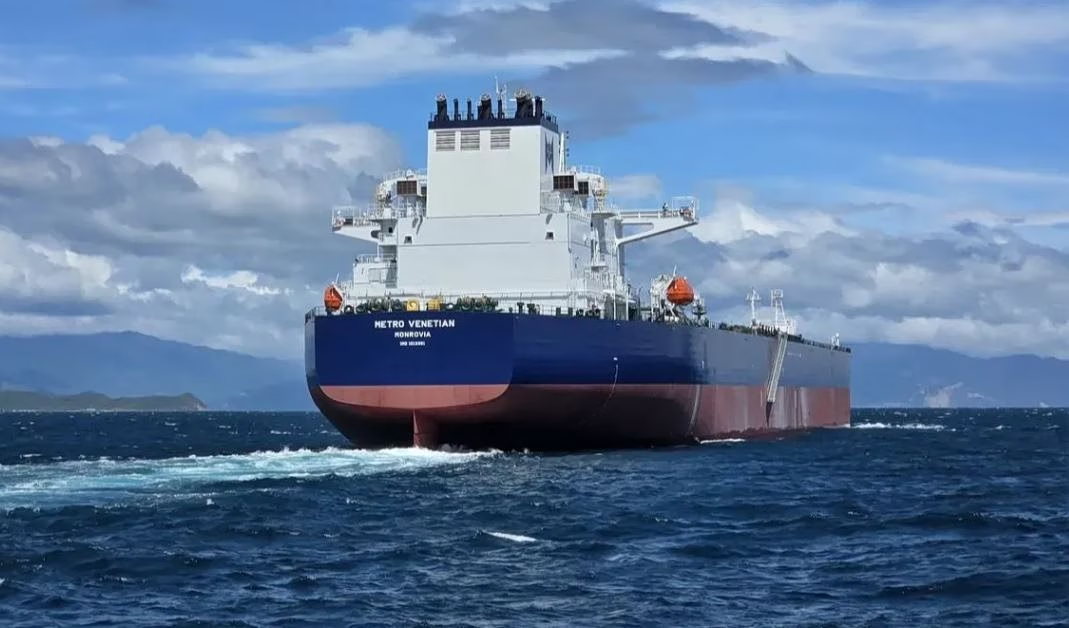
A recent maritime incident has drawn attention to the persistent security challenges in the Strait of Hormuz, a critical chokepoint for global oil shipments. A tanker, reportedly operated by interests linked to prominent Greek shipowner Theodore Angelopoulos, sustained damage after being struck by an unknown projectile. The event, which occurred in one of the world's most vital maritime passages, has prompted concerns regarding navigational safety and regional stability.
According to initial reports from maritime security services, the vessel's engine room was impacted, indicating a significant breach of its structural integrity. While the full extent of the damage and the precise nature of the projectile remain under investigation, the incident underscores the volatile environment in which commercial shipping operates in this region. Such occurrences not only pose direct threats to crew and cargo but also have broader implications for international trade and energy markets.
Details of the Incident
The British maritime security agency was among the first to report the event, noting that the vessel was hit by an 'unknown projectile' which caused damage to its engine room. This detail is crucial as damage to the engine room can severely impair a ship's operational capabilities, potentially leading to propulsion loss and making it vulnerable to further hazards. The Strait of Hormuz, linking the Persian Gulf with the Arabian Sea and the open ocean, sees a substantial portion of the world's seaborne oil pass through its narrow waters daily. Any disruption, whether accidental or intentional, can have far-reaching economic consequences.
While specific details regarding the type of projectile, its origin, or the perpetrators remain unconfirmed, maritime analysts are closely monitoring the situation. Previous incidents in the region have involved various forms of attacks, including limpet mines, drone strikes, and missile fire, often attributed to state or non-state actors engaged in regional conflicts. The lack of immediate identification of the projectile adds to the complexity of the situation, making it difficult to ascertain the motive or responsible party behind the strike.
Theodore Angelopoulos and Shipping Operations
The mention of Theodore Angelopoulos's association with the vessel brings a prominent name in the global shipping industry into focus. Angelopoulos, a scion of a distinguished Greek industrial and shipping family, has extensive interests in various sectors, including steel, cement, and shipping. His shipping ventures typically involve a diverse fleet of vessels, including tankers, which are crucial for the transportation of crude oil and petroleum products worldwide. The involvement of a vessel linked to such a significant figure highlights the indiscriminate nature of maritime threats in high-risk zones.
For shipping companies, operating in areas like the Strait of Hormuz involves navigating a complex web of geopolitical tensions, security advisories, and insurance considerations. Vessels transiting these waters often employ enhanced security measures, including armed guards, evasive maneuvering, and strict adherence to designated shipping lanes. Despite these precautions, incidents continue to occur, posing ongoing challenges for fleet managers and maritime security professionals. The financial implications for the shipowner can be substantial, encompassing repair costs, potential loss of revenue due to downtime, increased insurance premiums, and the broader reputational impact.
Geopolitical Context of the Strait of Hormuz
The Strait of Hormuz has long been a flashpoint for regional and international rivalries. Its strategic importance as the gateway to the Persian Gulf makes it a critical theater for naval operations and a potential target in geopolitical disputes. Countries bordering the Strait, particularly Iran and the United States, maintain significant military presences in the area, leading to occasional confrontations and heightened tensions. The security of this waterway is a paramount concern for global energy security, as disruptions can lead to spikes in oil prices and instability in international markets.
Historically, the Strait has witnessed numerous incidents, ranging from tanker wars during the Iran-Iraq War in the 1980s to more recent attacks on commercial shipping. These incidents often coincide with periods of increased political friction between regional powers. The international community, including major naval powers, often deploys assets to the region to ensure freedom of navigation and deter hostile acts. However, the vastness of the area and the asymmetric nature of some threats make comprehensive protection a formidable task.
Impact on Global Shipping and Energy Markets
An attack on a tanker, regardless of its specific affiliation, sends ripples throughout the global shipping and energy sectors. Even minor incidents can trigger a reassessment of risk premiums for vessels transiting the area, leading to higher shipping costs. For oil markets, any perceived threat to supply routes can lead to speculative trading and price volatility. Given the global reliance on oil transported through the Strait of Hormuz, sustained instability in this region could have significant repercussions for economies worldwide.
Shipping insurance markets are particularly sensitive to such events. War risk premiums for vessels operating in the Arabian Gulf and surrounding waters have historically fluctuated in response to security incidents. Owners and charterers must factor these increased costs into their operational budgets, which can ultimately be passed on to consumers. The incident involving the Angelopoulos-linked tanker will likely reinforce the perception of high risk in the Strait of Hormuz, potentially leading to further adjustments in insurance rates and operational protocols for vessels in the vicinity.
Investigation and Future Outlook
The immediate priority following such an incident is typically a thorough investigation to determine the nature of the attack, the responsible parties, and measures to prevent future occurrences. Maritime authorities, naval forces, and international organizations often collaborate to gather evidence, analyze debris, and interview crew members. The findings of such investigations are crucial for informing future security advisories and potentially for holding perpetrators accountable.
Looking ahead, the security challenges in the Strait of Hormuz are likely to persist, driven by ongoing geopolitical tensions and the strategic importance of the waterway. Shipping companies will continue to adapt their strategies to mitigate risks, while international efforts to ensure freedom of navigation and maritime security will remain a focus. The incident involving the tanker associated with Theodore Angelopoulos serves as a stark reminder of the fragile security environment in this vital global chokepoint and the continuous need for vigilance and cooperation among all stakeholders.