Shifting Sands: Fuel Prices and the Greek Holiday Experience
The summer season in Greece, traditionally a period of leisure and travel for many households, witnessed a notable shift in consumer behavior this year. A primary driver of this change was the escalating cost of fuel, which served as a stark indicator of the broader economic pressures confronting Greek families. This economic reality compelled many to re-evaluate their vacation choices, leading to a discernible alteration in travel patterns and discretionary spending.
Historically, the summer months have been characterized by a widespread exodus from urban centers to coastal areas, islands, and rural retreats. This annual migration is deeply ingrained in Greek culture, representing a cherished opportunity for relaxation, family gatherings, and escape from daily routines. However, the financial strain imposed by higher fuel prices, coupled with other inflationary pressures, introduced a new layer of complexity to these customary plans, prompting a more cautious approach to holiday expenditures.
The Direct Impact of Fuel Costs on Travel Decisions
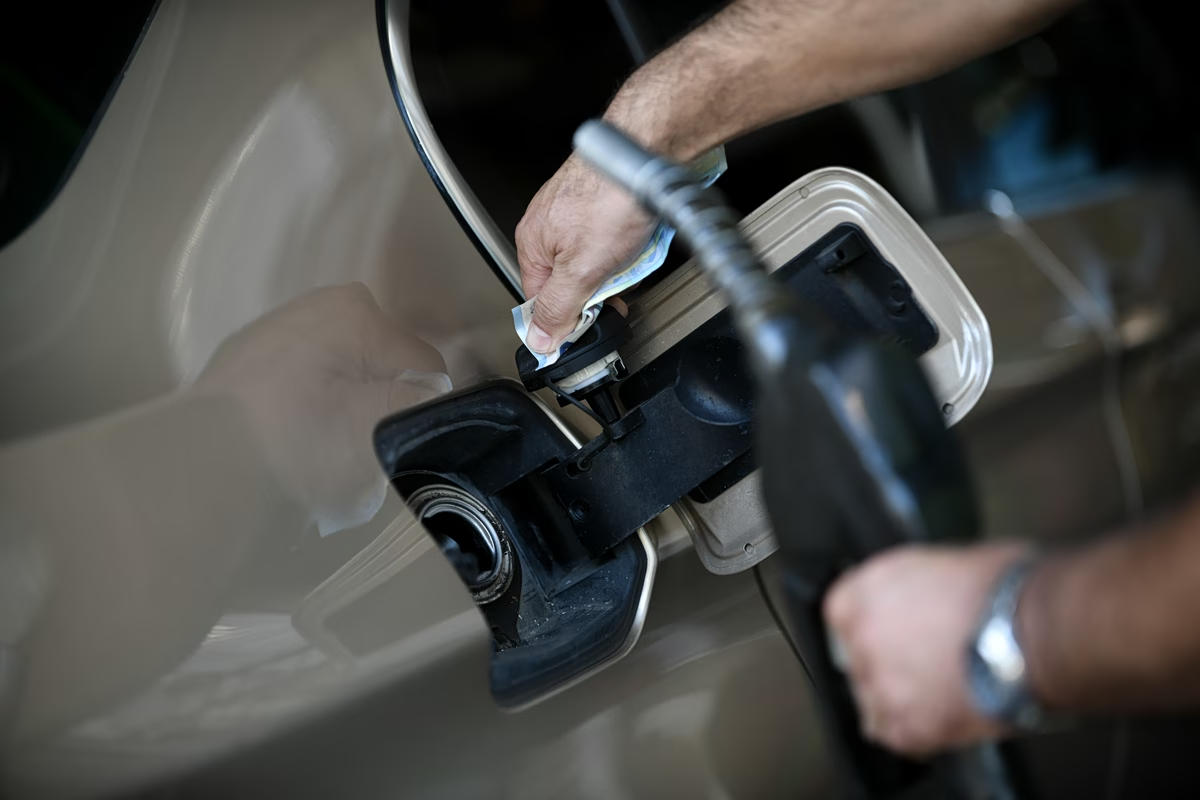
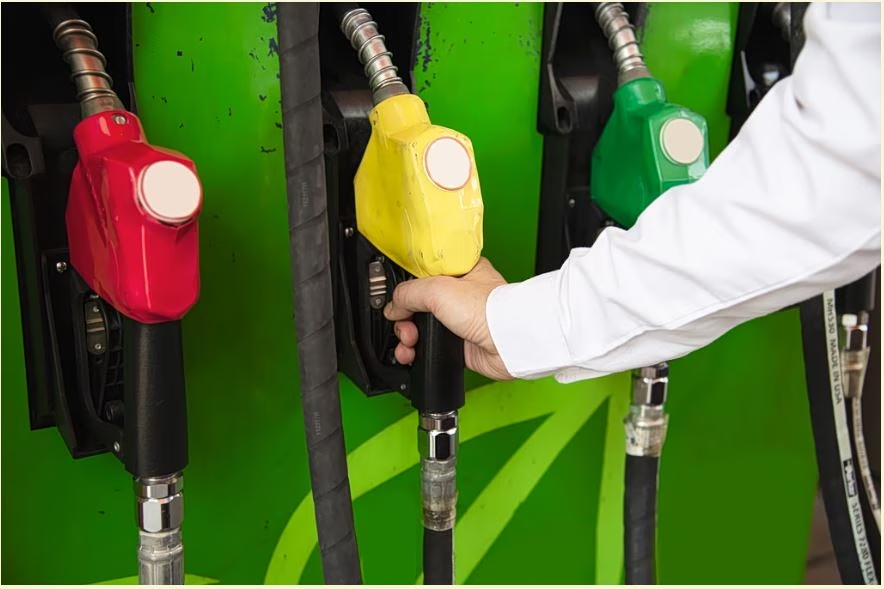
The immediate and most visible consequence of increased fuel prices was a reconsideration of long-distance travel by car. For many families, particularly those with children or those planning to visit multiple destinations, driving is often the most convenient and cost-effective mode of transport. This year, however, the rising expense of petrol and diesel made such journeys significantly more burdensome. Anecdotal evidence and preliminary observations suggested a decline in road trips to distant regions, with a preference emerging for closer, more accessible destinations.
This shift was not merely about the cost of reaching a destination but also about the expense of mobility once there. Exploring islands or mainland regions often involves significant driving, and the cumulative cost of fuel for daily excursions became a substantial factor in overall holiday budgeting. Consequently, some families opted for vacations in areas where public transport was more robust, or where attractions were within walking or short driving distance, thereby minimizing their reliance on personal vehicles.
Alternative Transportation and Accommodation Choices
The elevated cost of fuel also spurred a greater interest in alternative modes of transportation. While air and ferry travel have always been popular for reaching islands, there was an observed increase in demand for these services for mainland destinations that might typically be reached by car. This surge in demand, however, sometimes led to higher prices for tickets, creating a different set of financial considerations for travelers. For those on tighter budgets, this often meant making difficult choices between travel convenience and affordability.
Accommodation choices also felt the ripple effect. With less disposable income available for travel itself, some households sought more economical lodging options. This could involve choosing self-catering apartments over hotels, opting for campsites, or staying with relatives to reduce accommodation expenses. The aim was to stretch holiday budgets further, allowing for some form of leisure while mitigating the impact of increased costs elsewhere.
The Broader Economic Context and Household Budgets
It is important to view the impact of fuel prices within the broader economic landscape facing Greek households. The past year has seen a general rise in the cost of living, affecting everything from groceries to utility bills. Fuel, being a fundamental input for transportation and logistics, contributes to this overall inflationary environment. For families already grappling with tighter budgets, the additional burden of increased fuel expenses for leisure travel became particularly acute.
Many households were forced to re-evaluate their entire summer spending. This often meant reducing expenditure on entertainment, dining out, or shopping during their holidays. The focus shifted from extravagant experiences to more modest, value-oriented activities. For some, this translated into shorter vacation periods, while for others, it meant foregoing a summer holiday altogether, redirecting funds to essential needs.
Impact on Local Economies and Tourism
The altered travel patterns had a varied impact on local economies, particularly those heavily reliant on tourism. Destinations that were easily accessible by public transport or located closer to major urban centers may have experienced sustained or even increased visitor numbers. Conversely, more remote areas, traditionally popular with those undertaking road trips, might have seen a reduction in domestic tourists. This uneven distribution of visitors could create challenges for businesses in less accessible regions, which depend on the summer influx for a significant portion of their annual revenue.
The domestic tourism sector, a vital component of the Greek economy, relies on both local and international visitors. While international tourism has shown resilience, the changes in domestic travel habits underscore the importance of understanding and adapting to the financial realities of Greek consumers. Businesses, from hotels to tavernas and souvenir shops, had to adjust their strategies, perhaps by offering more competitive pricing or value packages to attract budget-conscious travelers.
Psychological Effects and the Value of Leisure
Beyond the purely financial implications, the necessity to curtail or modify vacation plans can have psychological effects. For many, the summer holiday is a crucial period for mental and physical rejuvenation, a break from the stresses of work and daily life. When these plans are disrupted due to economic constraints, it can lead to feelings of disappointment or increased stress, undermining the very purpose of a vacation.
The ability to enjoy a holiday is often seen as a measure of economic well-being and quality of life. The challenges faced by Greek households this summer in planning and affording their vacations highlight the broader societal impact of economic pressures. It brings into focus the delicate balance between economic necessity and the human need for leisure and relaxation.
Looking Ahead: Adaptations and Future Trends
The experiences of this summer may well inform future travel trends and consumer behavior in Greece. Households might continue to prioritize closer destinations, seek out more budget-friendly accommodation, and become more adept at finding cost-effective travel solutions. The emphasis on value for money is likely to persist, influencing both individual choices and the offerings of the tourism industry.
For the tourism sector, these shifts present both challenges and opportunities. There may be a growing need for more diversified offerings that cater to a range of budgets, alongside greater investment in sustainable and accessible transport options. Understanding the evolving needs and financial limitations of domestic travelers will be crucial for maintaining a robust and inclusive tourism industry in Greece. The summer of high fuel prices served as a significant reminder of how economic factors can profoundly shape even the most ingrained cultural practices, including the cherished Greek summer vacation.