Extensive Firefighting Operation Underway in Boeotia
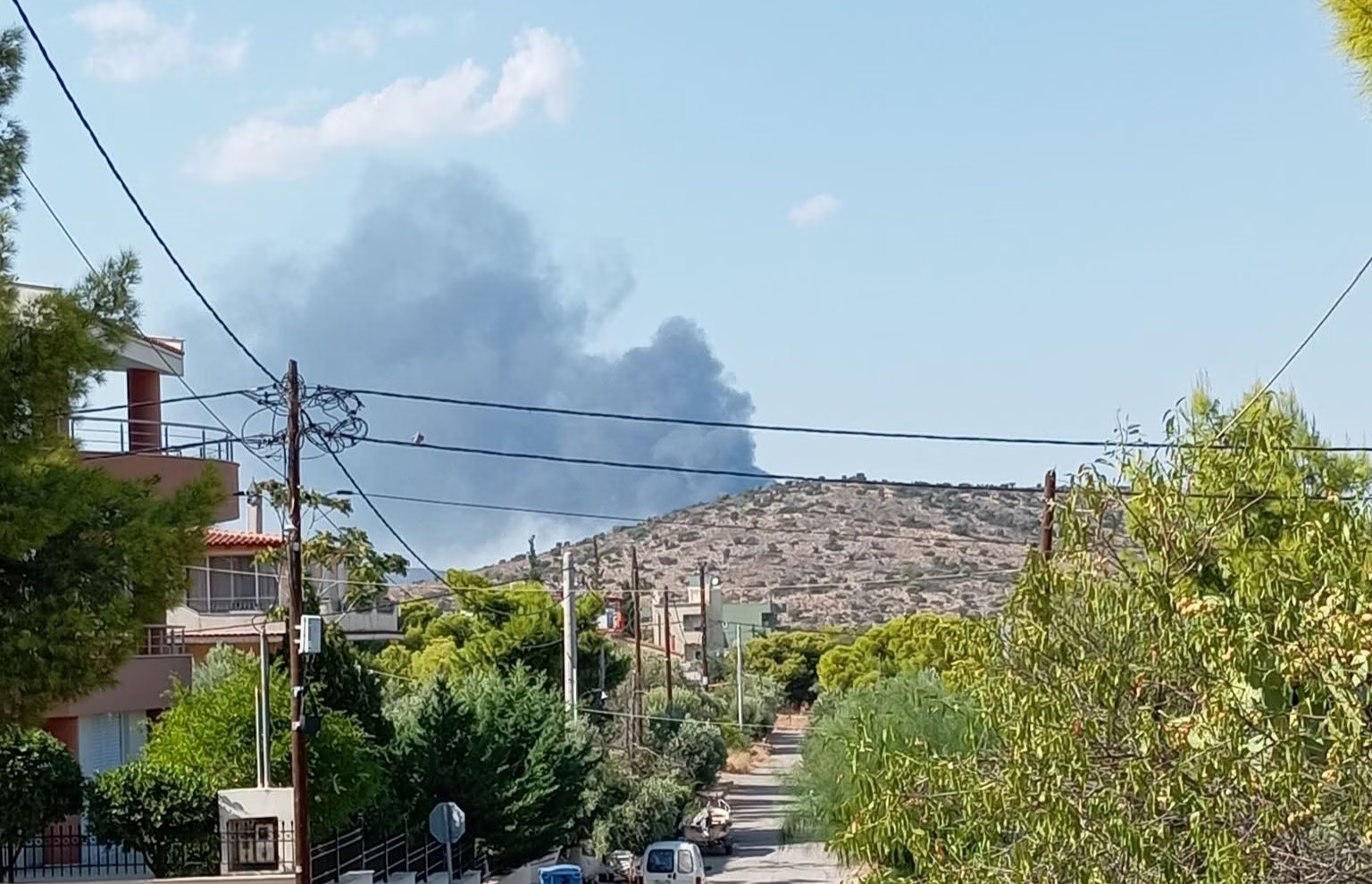
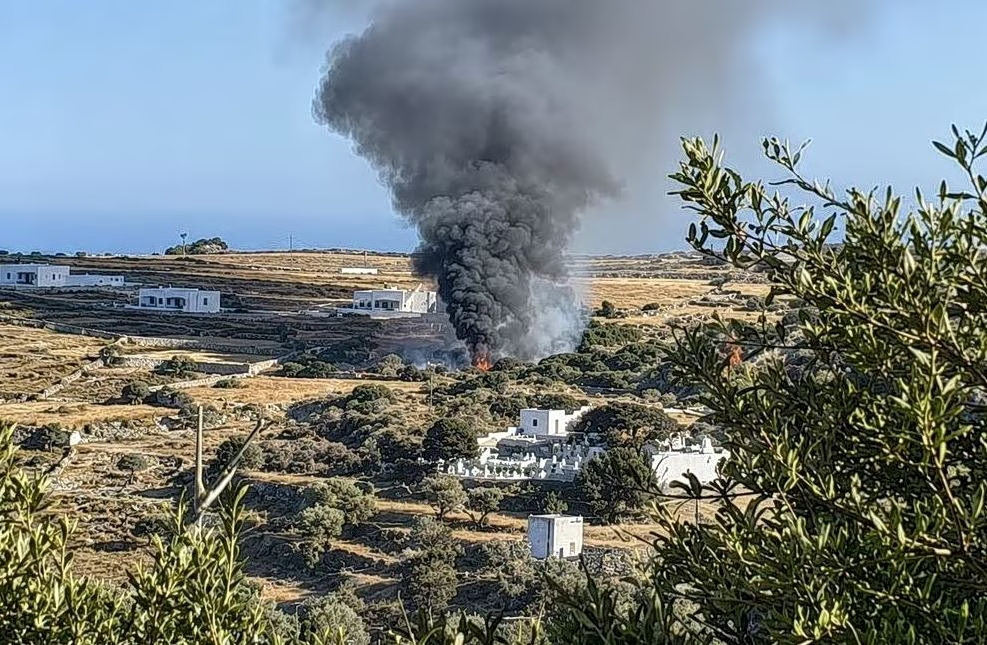
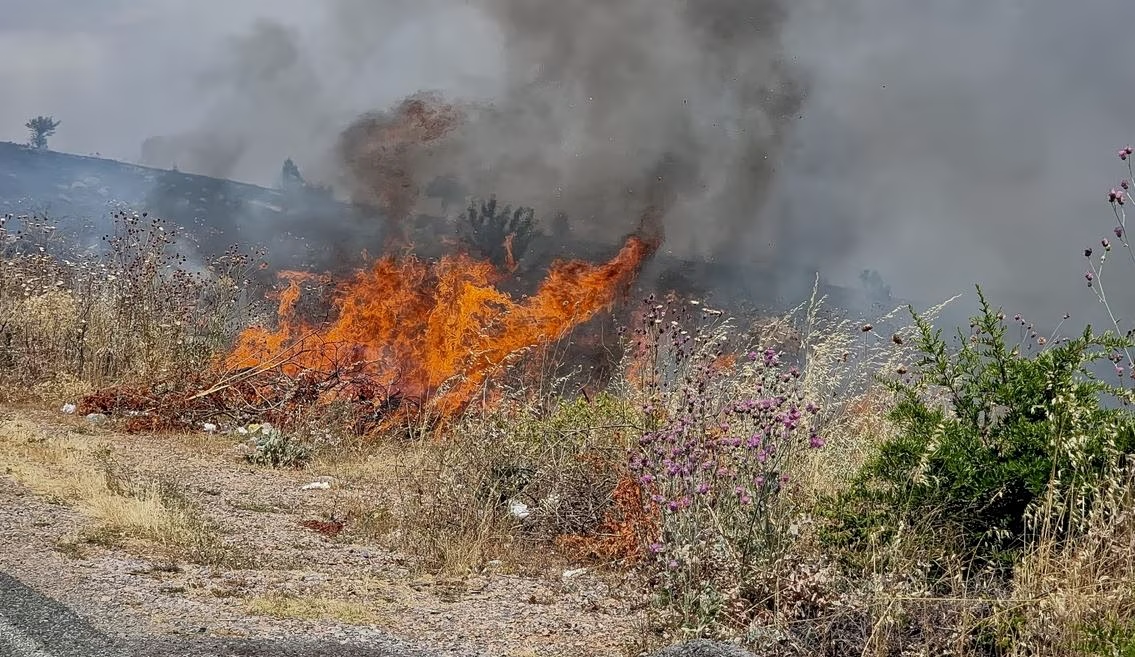
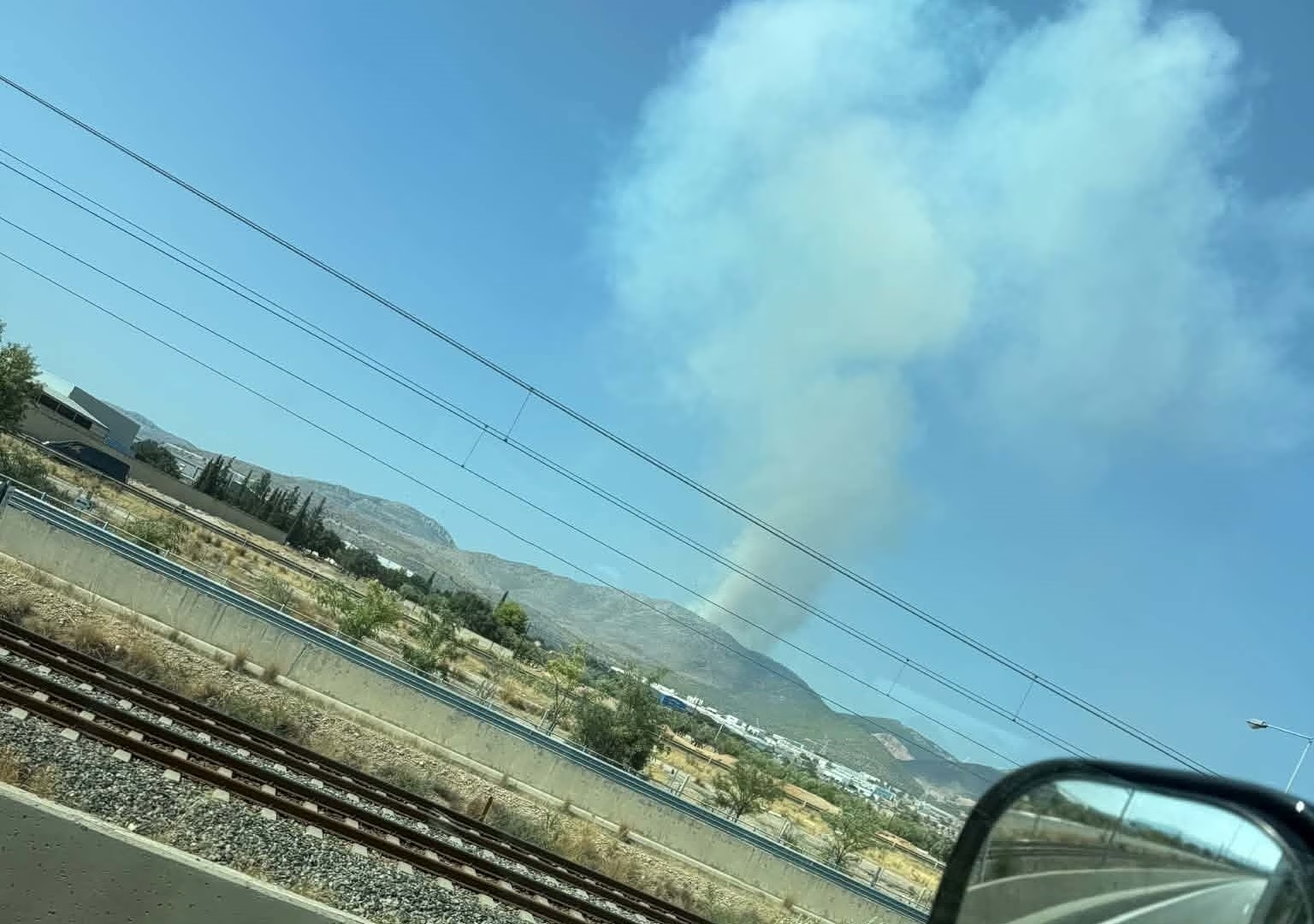
A substantial wildfire has ignited in a forested region in Stefani, Boeotia, leading to a rapid and extensive deployment of emergency services. The Hellenic Fire Service Operations Center received notification of the incident on August 25, 2026, at approximately 3:30 PM local time. The blaze, which poses a considerable threat due to the high-risk fire conditions prevalent in the area, has necessitated a coordinated response involving both ground and aerial assets.
The initial reports indicated a rapidly spreading fire, prompting authorities to escalate their efforts to contain it. The affected region is characterized by dense vegetation, which, combined with prevailing weather conditions, contributes to the challenge of fire suppression. Firefighting teams are working tirelessly to establish perimeters and prevent further expansion into populated areas or more sensitive ecological zones. The immediate priority remains the safety of residents and the protection of natural resources.
Mobilization of Ground and Air Resources
In response to the escalating situation, firefighting forces have been significantly reinforced. Currently, 85 firefighters are actively engaged in the operation, organized into four specialized ground teams (1st and 4th EMODE units). These teams are supported by 28 fire engines, strategically positioned to combat the flames from various angles and to provide water supply. The deployment of such a large ground contingent underscores the severity and scale of the wildfire, requiring a concentrated effort to bring it under control.
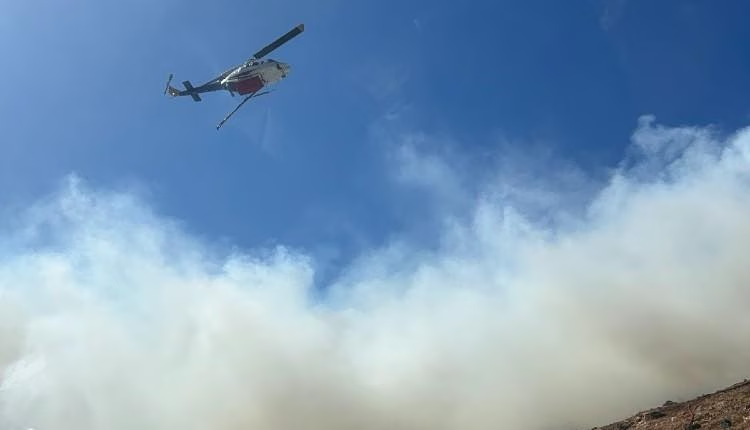
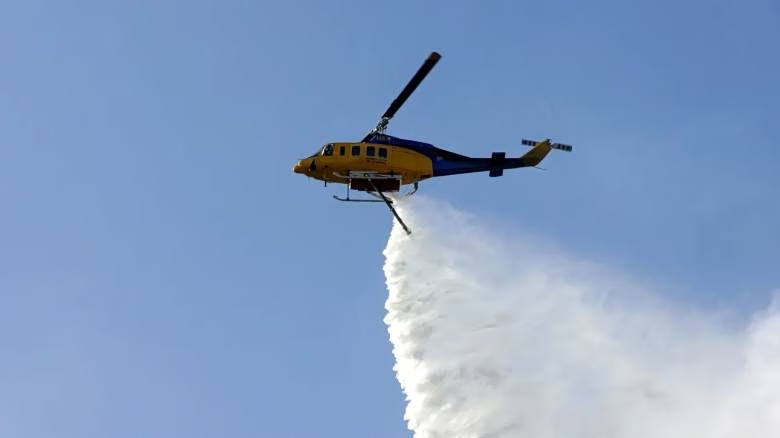
Crucially, aerial firefighting capabilities have been extensively utilized to supplement the ground operations. A total of eight aerial assets have been dispatched to the scene, operating periodically to douse the flames from above. This fleet comprises four fixed-wing aircraft and four helicopters. One of the helicopters has been specifically designated for coordination purposes, ensuring efficient communication and strategic deployment of the aerial resources. The periodic operation of these aircraft allows for refueling and maintenance, maximizing their impact over an extended period. The synergy between ground and air units is vital in tackling wildfires of this magnitude, with aerial drops helping to cool hot spots and create firebreaks, thereby assisting ground crews in their direct suppression efforts.
Local Authority Support and Monitoring Efforts
Beyond the direct firefighting units, local authorities are also playing a crucial role in the response. The Municipality of Tanagra is providing significant assistance to the Hellenic Fire Service, primarily through the provision of water tankers. These tankers are essential for replenishing the water supplies of fire engines and for direct application in areas less accessible to larger vehicles. Such collaborative efforts between municipal and national emergency services are fundamental to effective disaster management.
Throughout the incident, continuous monitoring is being conducted by the National Coordination Center for Operations and Crises Management (ESKEDIK). This center is receiving real-time imagery from drones equipped with both thermal and optical cameras. This advanced surveillance technology provides invaluable data on the fire's progression, allowing commanders to make informed decisions regarding resource allocation and tactical approaches. Thermal imaging, in particular, is critical for identifying hidden hot spots and areas of intense heat that might not be visible to the naked eye, thus enhancing the safety and effectiveness of firefighting personnel.
Investigation into Fire Origin and Prevailing Conditions
The Hellenic Fire Service is not only focused on extinguishing the current blaze but also on understanding its origins. To this end, the Arson Crimes Investigation Department of Fthiotida has been mobilized to conduct a thorough investigation into the causes of the fire. Determining the ignition source is crucial for preventing future incidents and for prosecuting any acts of arson, should they be identified as the cause. Investigations typically involve examining the point of origin, collecting evidence, and interviewing witnesses.
It is important to note that the region is currently experiencing a high risk of fire outbreaks, classified as Category 3 for today. This classification indicates that weather conditions, including temperature, wind speed, and humidity, are conducive to the rapid spread of wildfires. The combination of dry vegetation and potentially strong winds can transform a small spark into a major conflagration within a short timeframe. Public awareness and adherence to fire safety regulations are paramount during such periods of elevated risk. Authorities consistently issue warnings to residents to avoid activities that could inadvertently start fires, such as burning dry grass or using open flames in forested areas.
Broader Context of Wildfire Season
The current wildfire in Stefani, Boeotia, occurs within a broader context of an increasingly challenging wildfire season across many parts of the globe, including Greece. Factors such as climate change, leading to hotter and drier conditions, and changes in land management practices, contribute to the heightened frequency and intensity of these events. The extended periods of drought and high temperatures create an environment where fires can ignite easily and spread rapidly, posing significant threats to ecosystems, infrastructure, and human lives.
The lessons learned from each major fire incident inform future prevention and response strategies. This includes investing in more advanced firefighting equipment, improving early detection systems, and enhancing public education campaigns. Furthermore, proactive forest management, such as controlled burns and clearing of underbrush, can play a vital role in reducing the fuel load and mitigating the risk of catastrophic fires. The coordination among various agencies, from local municipalities to national fire services and environmental protection bodies, is critical for a holistic approach to wildfire management.
Impact on Local Communities and Environment
While the immediate focus is on containment, the long-term impact of such a wildfire on local communities and the environment is also a significant concern. Wildfires can cause extensive damage to agricultural land, destroy homes and infrastructure, and displace residents. Environmentally, they lead to air pollution, soil erosion, and significant loss of biodiversity. The recovery process can be lengthy and arduous, requiring substantial resources and coordinated efforts from government agencies and non-governmental organizations. The psychological toll on affected communities, particularly those who lose their homes or livelihoods, is also a critical aspect that requires support and attention.
As the firefighting efforts continue in Stefani, Boeotia, the determination of emergency services to bring the blaze under control remains unwavering. The comprehensive deployment of personnel and equipment, coupled with advanced monitoring technologies and inter-agency cooperation, represents a robust response to a serious environmental threat. The subsequent investigation will provide insights into the fire's origins, contributing to ongoing efforts to enhance wildfire prevention and management strategies in Greece and beyond.