Introduction to the Sanctions and Their Immediate Impact
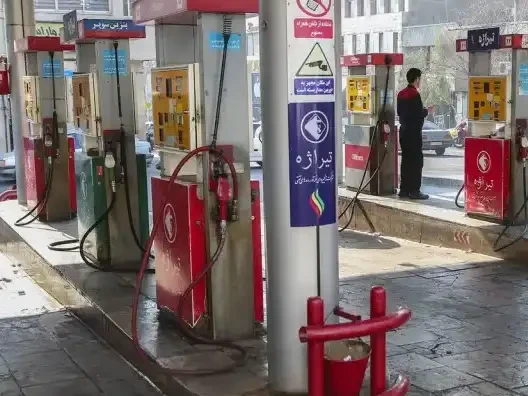
The United States recently unveiled a new set of economic penalties, described as 'secondary sanctions,' which have begun to exert pressure on Iran's already strained economy. These measures, while not directly targeting the Iranian government, aim to deter international entities from engaging in certain transactions with the nation. Immediately following the announcement, reports from Tehran indicated a noticeable disruption in daily life, particularly concerning the availability of fuel. Photographs and anecdotal evidence from the capital city depict lengthy queues forming outside petrol stations, signaling public concern and a potential scarcity of gasoline.
This development underscores the complex and often immediate repercussions of international sanctions on the everyday lives of citizens. Iran has a long history of grappling with various forms of international restrictions, but each new iteration tends to introduce fresh challenges and uncertainties. The current situation highlights the intricate web of global economics and geopolitics, where policy decisions made far away can have tangible, immediate effects on local populations.
Understanding Secondary Sanctions
Secondary sanctions are a potent tool in international relations, designed to extend the reach of a nation's foreign policy beyond its direct borders. Unlike primary sanctions, which prohibit a country's own citizens and entities from engaging with a target state, secondary sanctions target third-party individuals or companies that conduct business with the sanctioned nation. In this context, the recent U.S. sanctions are not directly aimed at Iranian entities, which are already largely isolated by existing measures. Instead, they are designed to discourage non-U.S. companies and financial institutions from doing business with Iran, particularly in sectors deemed critical by the sanctioning authority.
The rationale behind such sanctions is to amplify economic pressure on the target country by making it more difficult and costly for it to conduct international trade and financial transactions. This indirect approach can be highly effective because it leverages the global financial system and the desire of international businesses to maintain access to major markets, such as the United States. Companies often choose to cease dealings with sanctioned nations rather than risk incurring penalties from the U.S. government, which can include hefty fines, restrictions on access to the U.S. financial system, or even being cut off from the U.S. market entirely.
Historical Context of Sanctions Against Iran
Iran has been subject to various forms of international sanctions for several decades, a consequence of geopolitical tensions, its nuclear program, and other policy disagreements with Western powers. These sanctions have evolved over time, ranging from arms embargoes and restrictions on its nuclear industry to comprehensive economic measures targeting its oil sector, banking system, and trade. The cumulative effect of these restrictions has been significant, impacting Iran's economic growth, access to international markets, and the quality of life for its citizens.
Past sanctions have led to periods of high inflation, currency devaluation, and shortages of various goods, including essential medicines and consumer products. The Iranian government has often responded by seeking alternative trade partners, developing domestic production capabilities, and engaging in various strategies to circumvent the restrictions. However, the consistent application of these measures has undeniably shaped Iran's economic landscape, fostering a degree of self-reliance while also limiting its potential for global economic integration.
The continuous imposition of international sanctions has created a complex economic environment in Iran, where resilience coexists with persistent challenges.
The Fuel Sector: A Critical Vulnerability
The recent queues at petrol stations highlight the particular vulnerability of Iran's fuel sector to sanctions. Despite being a major oil-producing nation, Iran's refining capacity has historically struggled to meet domestic demand for refined petroleum products, particularly gasoline. This often necessitates imports, making the country susceptible to disruptions in international trade and financial transactions. When sanctions make it difficult for international suppliers to sell refined products to Iran, or for Iran to pay for them, shortages can quickly emerge.
Furthermore, the psychological impact of such announcements can be immediate. Public perception of impending shortages can lead to panic buying, exacerbating the problem even before actual supply lines are significantly affected. This phenomenon, often observed in times of crisis, can quickly deplete existing reserves and strain distribution networks, leading to the visible queues and public frustration currently reported in Tehran.
Economic Repercussions and Public Sentiment
The latest sanctions are expected to further complicate Iran's economic outlook. Businesses, both domestic and international, will likely face increased scrutiny and hurdles in conducting trade, potentially leading to reduced investment and slower economic activity. For ordinary citizens, this could translate into higher prices for goods, reduced employment opportunities, and a general decline in living standards. The value of the Iranian rial often fluctuates significantly in response to sanctions news, further eroding purchasing power.
Public sentiment in Iran regarding sanctions is often a mix of frustration, resilience, and sometimes anger directed at both external powers and the domestic government. While there is a strong sense of national pride and a determination to overcome external pressures, the daily realities of economic hardship can take a heavy toll. The sight of long queues for essential commodities like fuel serves as a stark reminder of these ongoing challenges and can fuel public discontent.
Geopolitical Implications and Future Outlook
The imposition of new sanctions by the U.S. also carries significant geopolitical implications. It signals a continued policy of pressure on Iran, aimed at influencing its regional policies, nuclear program, or other areas of concern. Such measures often become a point of contention in international diplomacy, with various global actors holding differing views on their effectiveness and legitimacy.
The future trajectory for Iran under these renewed pressures remains uncertain. The government will likely continue to seek ways to mitigate the impact of the sanctions, potentially by strengthening ties with non-Western powers, fostering domestic industries, and encouraging self-sufficiency. However, the long-term effects on the Iranian economy and society will largely depend on the duration and intensity of these sanctions, as well as the resilience and adaptability of the Iranian people and their leadership. The current situation in Tehran, marked by fuel queues, is a tangible manifestation of these ongoing geopolitical struggles and their direct impact on the lives of millions.