Major Wildfire Incident in Heraklion, Crete
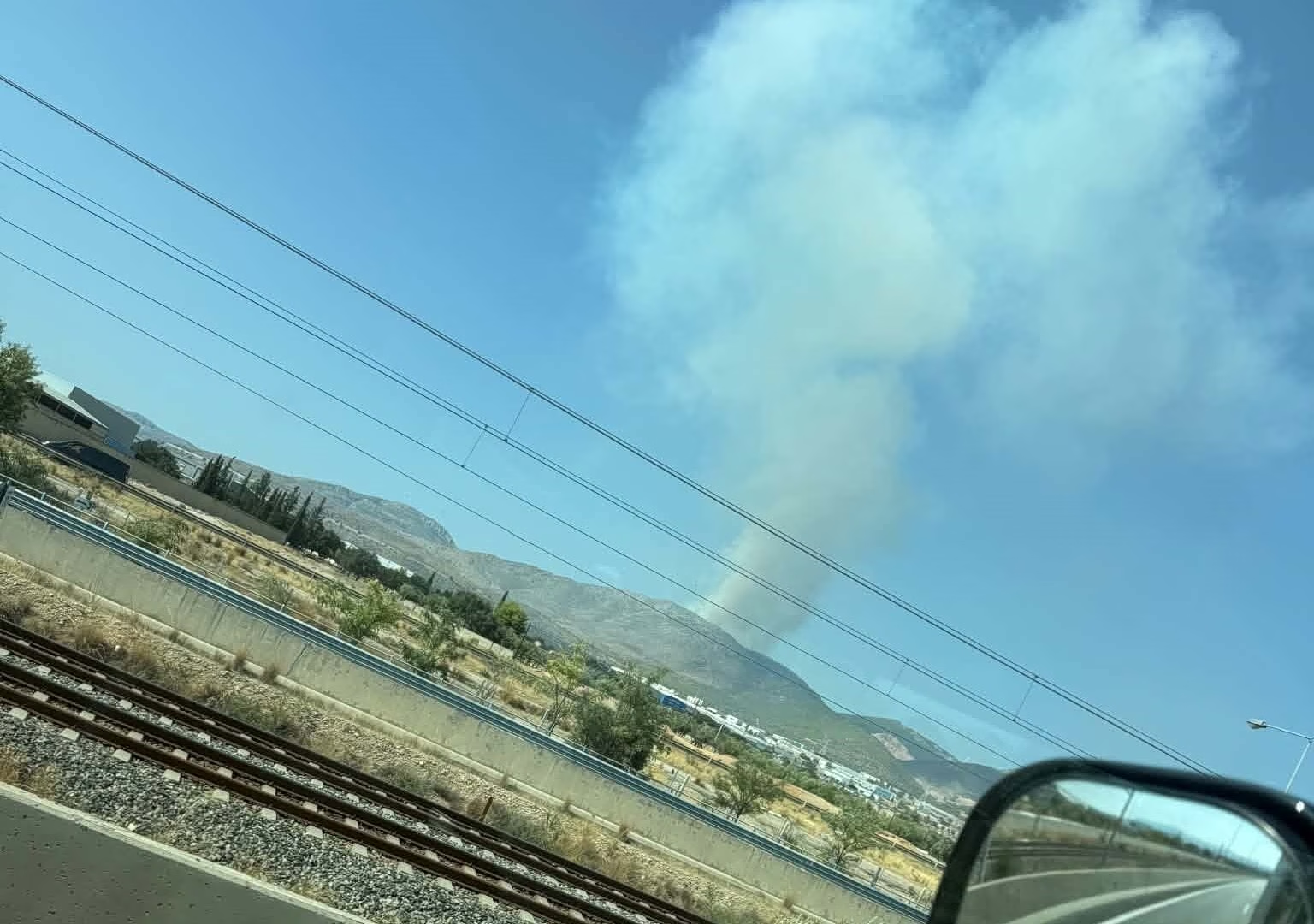
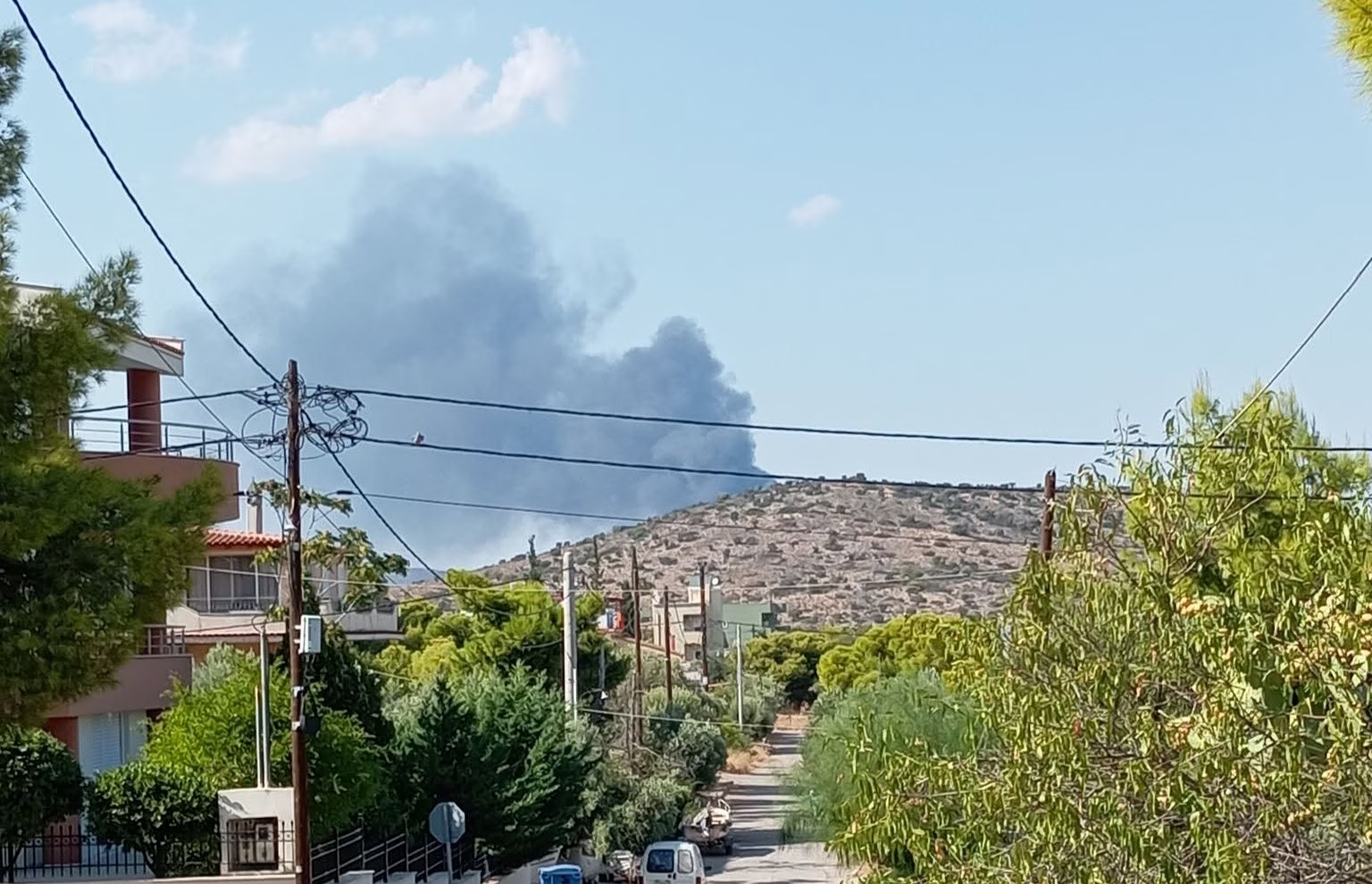
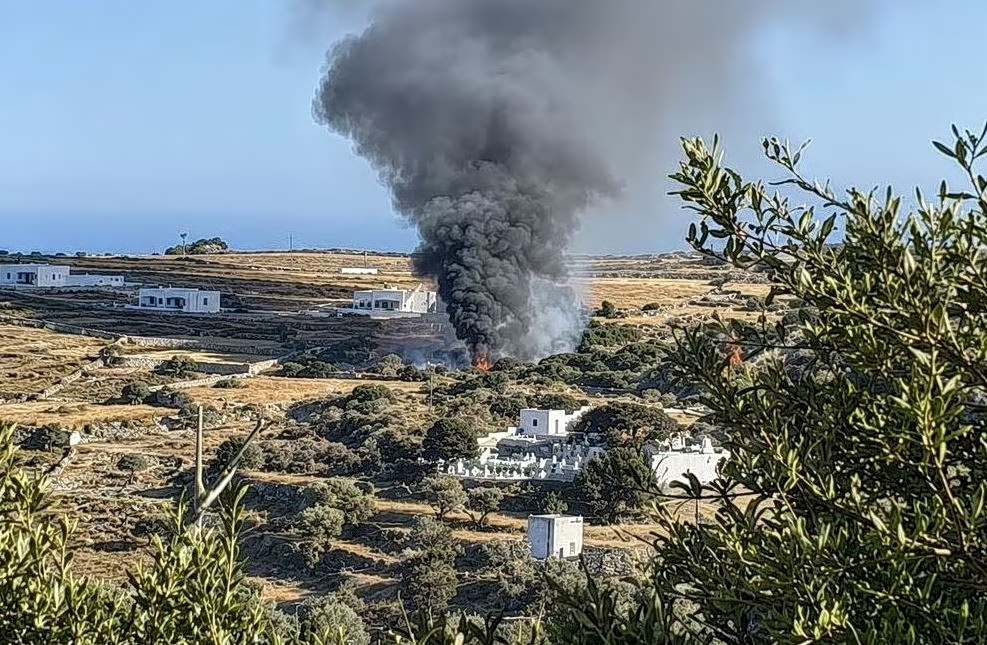
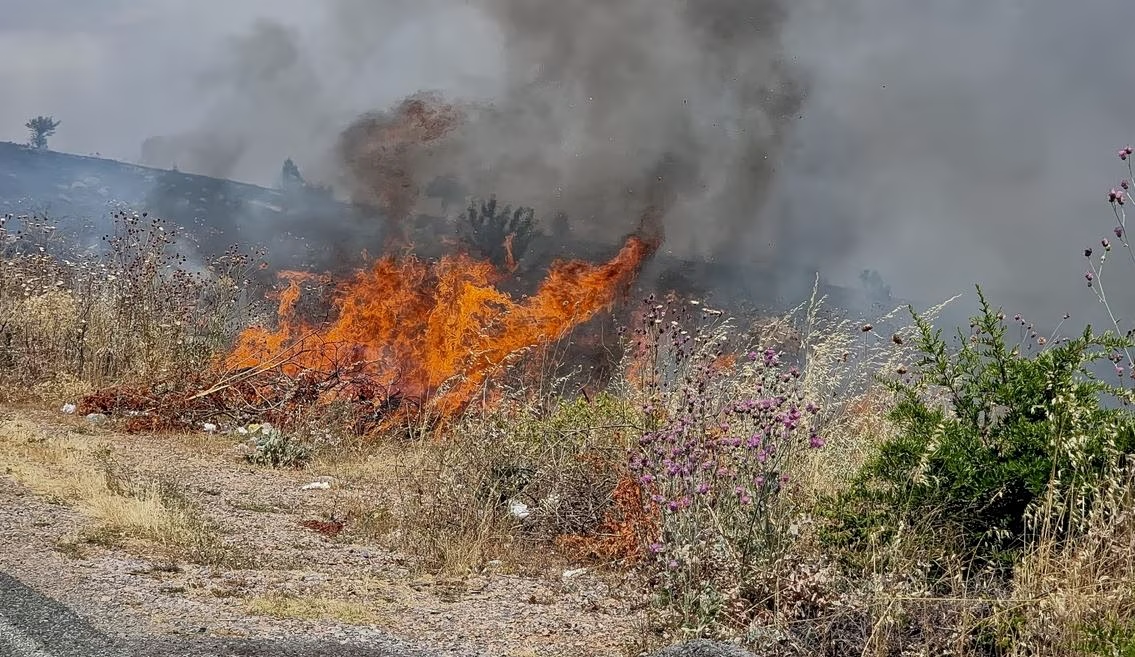
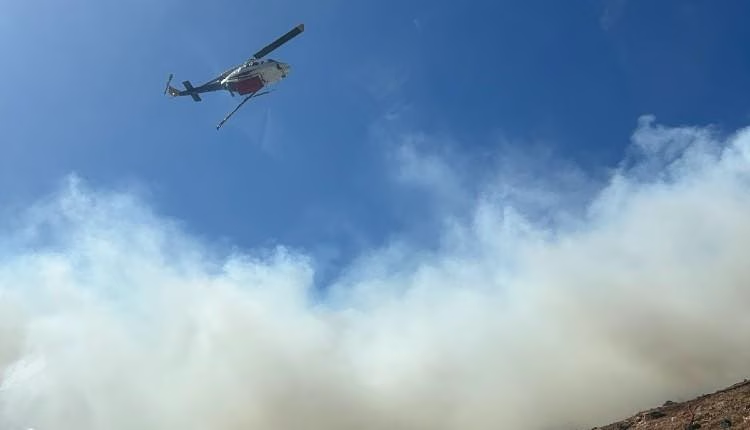
A substantial wildfire has ignited in an agricultural-forest region within Heraklion, Crete, specifically in the area situated between Vourvoulitis and Agioi Deka, within the wider Mesara plain. The incident, which occurred on August 25, 2026, around 4:40 PM local time, has triggered a comprehensive response from emergency services, including the issuance of an alert through the 112 emergency notification system, urging local residents to maintain a state of readiness.
Emergency Response and Mobilization
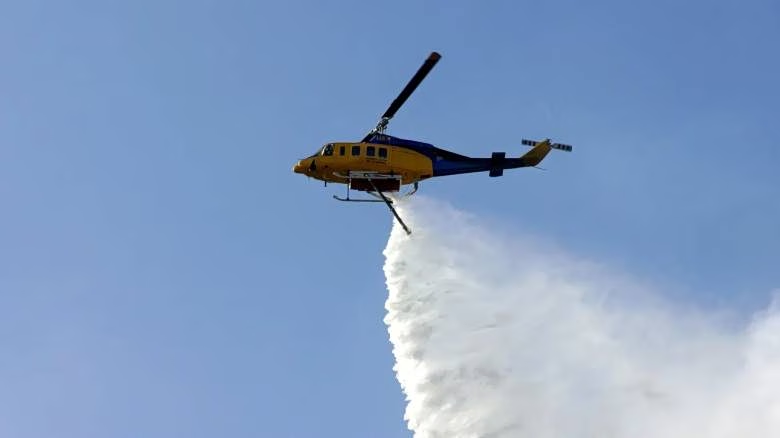
Upon receiving notification of the blaze, the Operations Center of the Fire Department immediately initiated a large-scale mobilization of resources. The firefighting effort currently involves a contingent of 25 firefighters, supported by a specialized ground team from the 3rd Hellenic Mobile Operations Department (EMODE), comprising eight vehicles. In addition to ground operations, aerial firefighting capabilities have been deployed, with four helicopters actively engaged in suppressing the flames from above. The municipal authorities of Gortyna have also contributed to the response, providing water tankers to assist the Fire Department in their efforts, underscoring a coordinated approach to disaster management in the region.
The area where the fire has erupted is currently designated as being at a high risk for wildfires, categorized as a Level 3 threat. This classification indicates a heightened susceptibility to fire incidents, necessitating increased vigilance and preparedness. The Fire Department's investigative unit, specifically the Arson Crime Investigation Department of Heraklion, has been activated to ascertain the precise causes and circumstances surrounding the ignition of this particular fire. Such investigations are crucial for understanding fire origins, which can range from natural causes to accidental human activities or deliberate acts of arson, each requiring a distinct approach to prevention and legal action.
The Broader Context of Wildfire Preparedness
Wildfires pose a perennial threat to many regions globally, particularly those with Mediterranean climates like Crete, characterized by hot, dry summers and abundant flammable vegetation. The frequency and intensity of these events are often exacerbated by factors such as prolonged droughts, heatwaves, and human activities. Effective wildfire management relies on a multi-faceted strategy that encompasses prevention, early detection, rapid response, and community preparedness. Prevention measures include controlled burns, vegetation management, and public awareness campaigns aimed at reducing human-caused ignitions. Early detection systems, often involving watchtowers, satellite imagery, and aerial patrols, enable a quicker response, which is critical in containing fires before they escalate into uncontrollable conflagrations.
The deployment of the 112 emergency notification system in this instance highlights the importance of timely communication with the public during crises. Such systems are designed to disseminate critical information rapidly, allowing residents to take necessary precautions, follow evacuation orders, or prepare for potential impacts. This proactive approach to public safety is essential in minimizing casualties and property damage. The involvement of local municipalities, like Gortyna, further demonstrates the collaborative nature required in tackling such emergencies, where local knowledge and resources can significantly augment the efforts of national firefighting agencies.
Environmental and Socio-Economic Impacts
Wildfires have profound environmental consequences, leading to significant habitat destruction, loss of biodiversity, and soil degradation. The immediate aftermath often sees a dramatic change in landscape, with ecosystems requiring years, if not decades, to recover. Smoke plumes can also impact air quality over wide areas, posing health risks to vulnerable populations. Economically, the costs associated with wildfires are immense, encompassing not only the direct expenses of firefighting operations but also the long-term costs of rebuilding infrastructure, restoring agricultural lands, and supporting affected communities. The destruction of agricultural-forest areas, as is the case in Heraklion, can have a particularly severe impact on local economies reliant on farming and forestry.
Moreover, the psychological toll on communities affected by wildfires can be substantial. The trauma of losing homes, livelihoods, and cherished landscapes can lead to long-term stress and anxiety. Therefore, recovery efforts often extend beyond physical reconstruction to include mental health support for residents. Understanding these broader impacts underscores the critical need for robust wildfire prevention and response strategies, not just for immediate safety but for the long-term well-being and sustainability of affected regions.
Future Outlook and Climate Change Considerations
As climate change continues to alter weather patterns, many regions are experiencing more frequent and intense heatwaves, prolonged dry spells, and altered precipitation regimes. These changes create conditions that are increasingly conducive to the ignition and rapid spread of wildfires. Scientists and policymakers are increasingly recognizing the need to adapt wildfire management strategies to these evolving climatic realities. This includes investing in more advanced firefighting technologies, enhancing forest management practices to create more resilient landscapes, and developing more sophisticated early warning systems.
International cooperation and knowledge sharing are also vital in addressing the global challenge of wildfires. Countries with extensive experience in wildfire management often share best practices, technologies, and even personnel to assist in major incidents. The incident in Heraklion, while localized, is a microcosm of a larger global phenomenon that demands continuous innovation, sustained investment, and a holistic approach to environmental stewardship and disaster preparedness. The ongoing investigation into the causes of this fire will provide valuable insights that can inform future prevention efforts and contribute to a deeper understanding of wildfire dynamics in the region.