Tragic Discovery in Sifnos Helicopter Crash
A recent forensic analysis has shed light on the final moments of the three individuals aboard a helicopter that crashed on the island of Sifnos. The examination conclusively determined that the pilot and a newly married couple, who were the only occupants, survived the initial impact of the crash. Their deaths, a tragic development, were attributed to a subsequent fire that engulfed the wreckage. This finding alters the initial understanding of the incident, suggesting a more prolonged and harrowing ordeal than previously assumed.
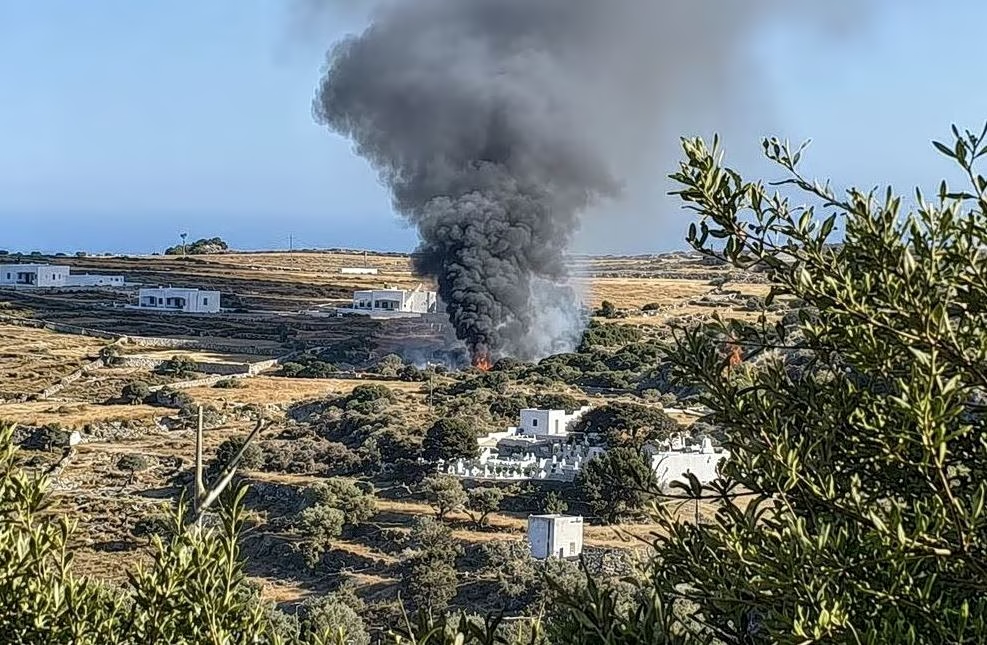
The helicopter, a private charter, was en route to Sifnos, a popular Aegean island, when it experienced an unforeseen malfunction, leading to its catastrophic descent. Emergency services were immediately dispatched upon receiving reports of the crash, but the remote location and the intensity of the post-impact fire posed significant challenges to rescue efforts. The incident has sent shockwaves through the local community and among those who knew the victims, highlighting the inherent risks associated with air travel, even for short distances.
Forensic Insights into the Accident
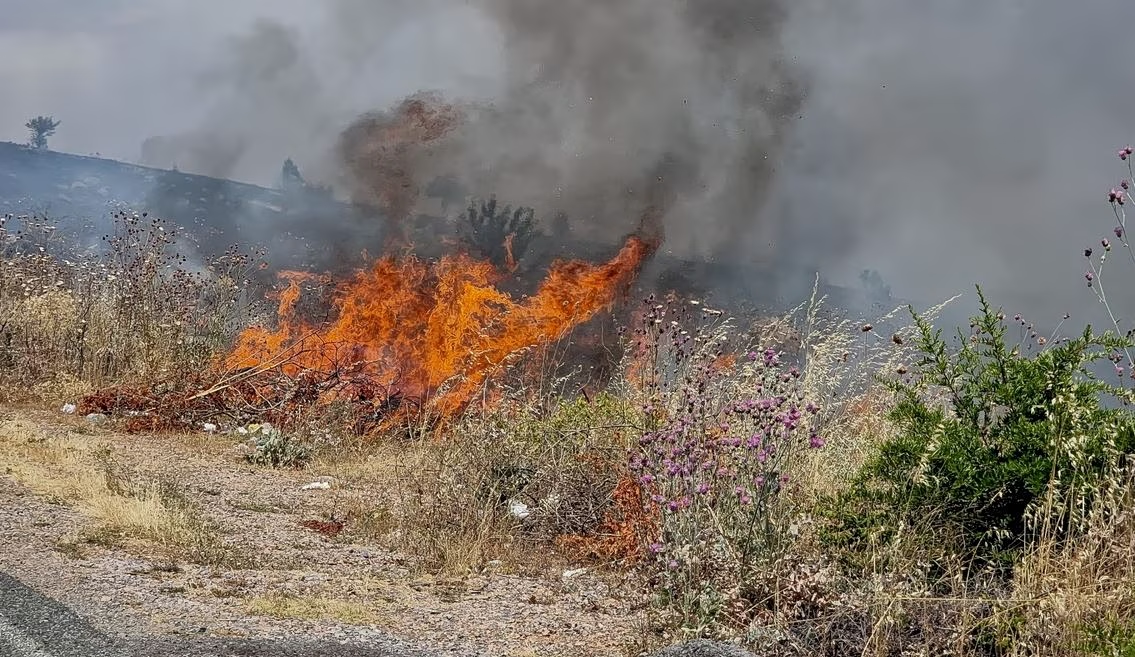
The forensic report, which forms a crucial part of the ongoing investigation, meticulously detailed the findings that led to its grim conclusion. Experts meticulously examined the remains of the victims and the crash site, looking for indicators of the cause of death. The presence of soot in the respiratory systems of all three individuals, along with other markers consistent with smoke inhalation and thermal injuries, provided compelling evidence that they were alive and breathing after the helicopter hit the ground. This evidence strongly suggests that the fire, rather than the impact itself, was the direct cause of their fatalities.
This discovery is particularly poignant as it raises questions about the potential for survival had the fire been contained or if rescue operations could have reached the site more swiftly. While the exact timeline between the crash and the onset or spread of the fire is still under investigation, the forensic findings indicate a window, however brief, during which the occupants were still alive. Such details are vital for aviation safety experts as they seek to understand the full sequence of events and identify any factors that could contribute to preventing similar tragedies in the future.
The Victims: A Pilot and a Newlywed Couple
The identities of the victims were released shortly after the crash, deepening the sense of loss and sorrow. The pilot, a seasoned aviator with many years of experience flying in the Aegean, was known for his professionalism and meticulous attention to safety. His sudden passing has left his colleagues and family in profound grief, remembering him as a dedicated professional who loved his work and the skies.
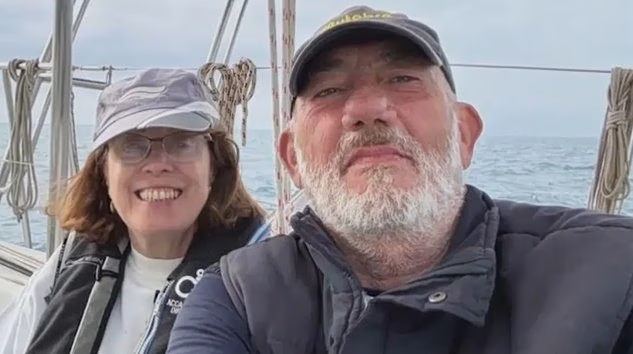
The passenger couple were newlyweds, embarking on what was meant to be a joyous journey to celebrate their recent marriage. Their tragic end, so soon after beginning a new chapter of their lives together, has been met with widespread sympathy and heartbreak. Friends and family described them as vibrant and full of life, with ambitious plans for their future. The community has rallied around their grieving families, offering support and condolences during this unimaginably difficult time.
Ongoing Investigation and Safety Implications
Authorities have launched a comprehensive investigation into the helicopter crash to determine its precise cause. Expert teams from the Hellenic Air Accident Investigation and Aviation Safety Board (HAAIASB) are meticulously examining the wreckage, flight data recorders (if available and recoverable), and air traffic control communications. The investigation aims to uncover any mechanical failures, pilot errors, or environmental factors that may have contributed to the accident.
Understanding why the helicopter crashed is paramount, not only for providing closure to the victims' families but also for enhancing aviation safety protocols. Every detail, from the maintenance history of the aircraft to the weather conditions at the time of the flight, will be scrutinized. The forensic findings regarding the post-crash fire will also be integrated into the broader investigation, prompting a review of emergency procedures and aircraft design features that could mitigate the risks associated with such fires.
Aviation safety is a field of continuous improvement, with each incident providing valuable, albeit tragic, lessons. Investigators will look for any patterns or anomalies that could inform future regulations or technological advancements. The goal is to ensure that such a devastating event is thoroughly understood, allowing for the implementation of measures that could prevent similar occurrences and protect the lives of passengers and crew in the future. The findings of this investigation are eagerly awaited by the aviation community and the public alike, as they will undoubtedly contribute to the ongoing global effort to make air travel safer.
Community Response and Support
The news of the crash and the subsequent revelation of the circumstances surrounding the victims' deaths have deeply affected the close-knit community of Sifnos and beyond. Expressions of grief and solidarity have poured in from all corners, with many reflecting on the fragility of life and the suddenness of tragedy. Local authorities and community organizations have extended their support to the families of the victims, offering assistance with arrangements and providing counseling services.
In times of such profound loss, communities often come together to mourn and to support those most affected. Memorials and tributes are being planned to honor the memories of the pilot and the young couple, ensuring that their lives are remembered with dignity and respect. The incident serves as a somber reminder of the unpredictable nature of life and the importance of cherishing every moment. The collective grief is palpable, yet it is also accompanied by a spirit of resilience and mutual aid, characteristic of island communities facing adversity.
The Broader Context of Aviation Accidents
While helicopter crashes are statistically less frequent than other forms of transportation accidents, they often draw significant public attention due to their dramatic nature and the high potential for fatalities. This incident in Sifnos adds to the global database of aviation accidents, each of which contributes to a deeper understanding of the complexities of flight safety. The aviation industry, including manufacturers, operators, and regulators, continuously works to minimize risks through rigorous training, stringent maintenance schedules, and advanced technological innovations.
Post-crash fires are a particularly devastating aspect of aviation accidents, often complicating rescue efforts and increasing the severity of outcomes. Research into fire-resistant materials, enhanced fuel tank protection, and automatic fire suppression systems is an ongoing area of focus for aviation safety engineers. The Sifnos tragedy underscores the critical importance of these efforts, highlighting the need for continued investment in technologies and procedures that can enhance survivability in the event of an accident.
As the investigation progresses, its findings will be crucial for the broader aviation community. Lessons learned from this incident will likely influence future safety recommendations, potentially leading to revisions in aircraft design, operational procedures, or emergency response protocols. The aim is always to transform tragedy into knowledge that can save lives, reinforcing the commitment to making air travel as safe as possible for everyone.