Extensive Emergency Response Initiated for Crete Wildfire
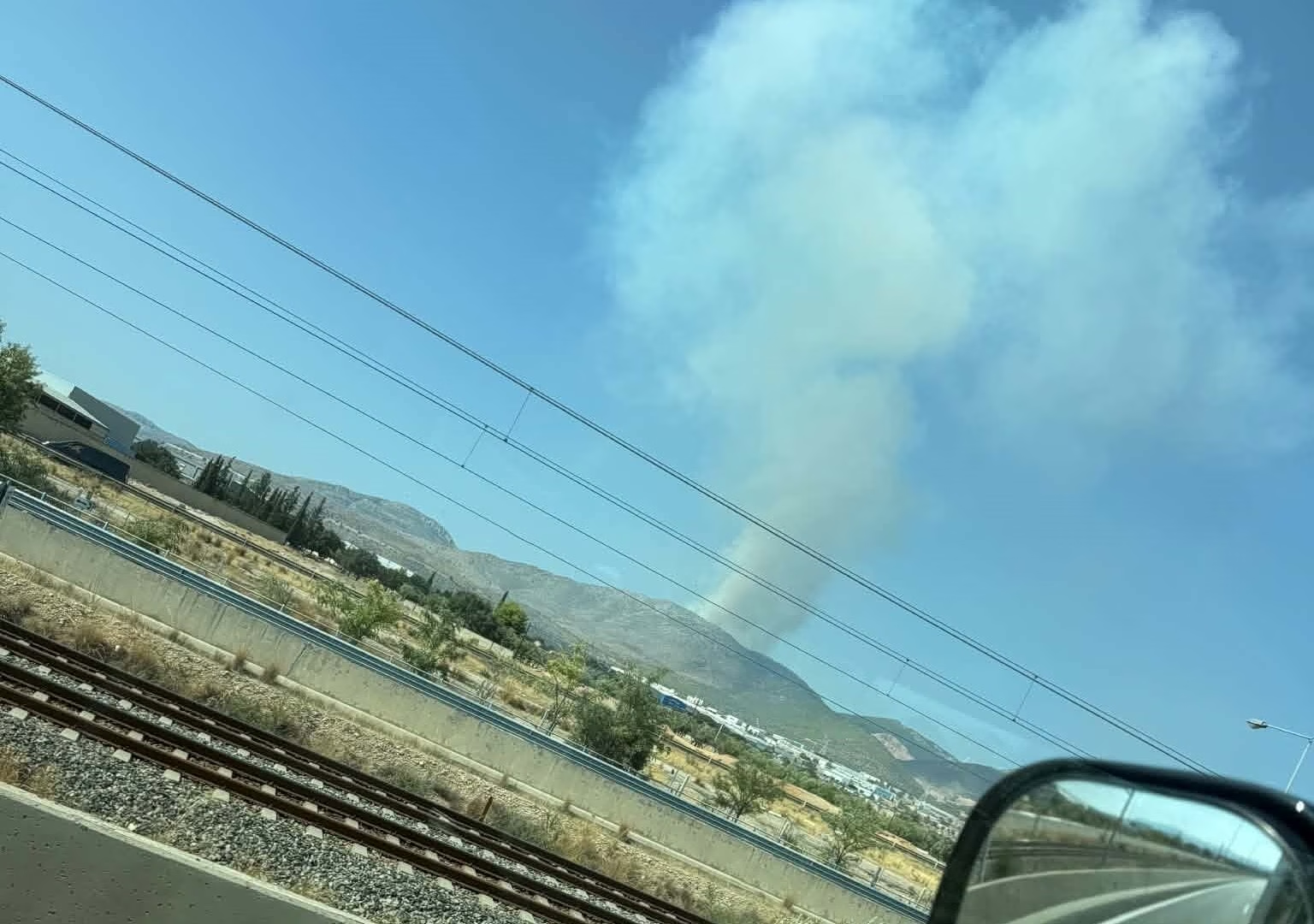
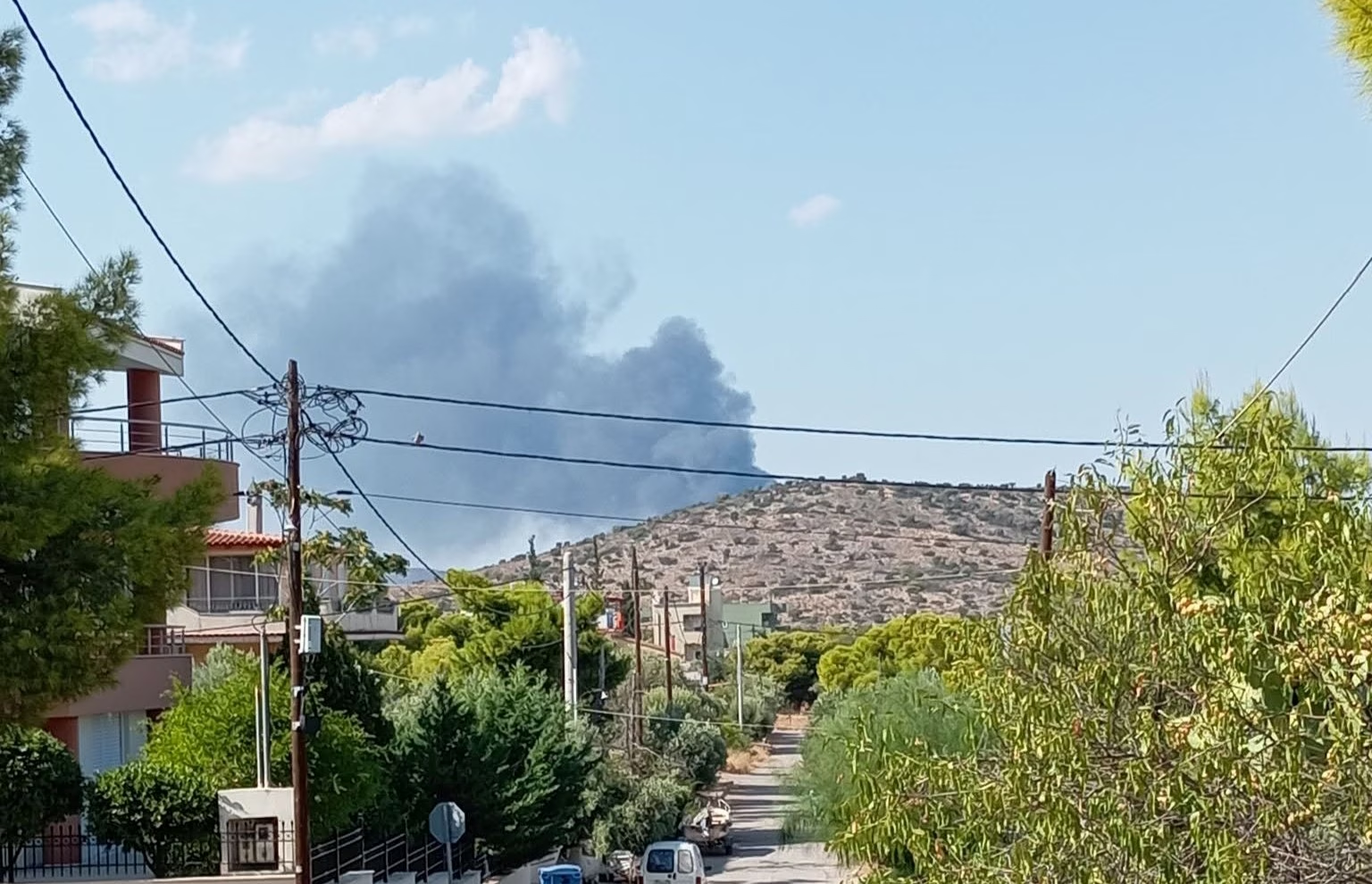
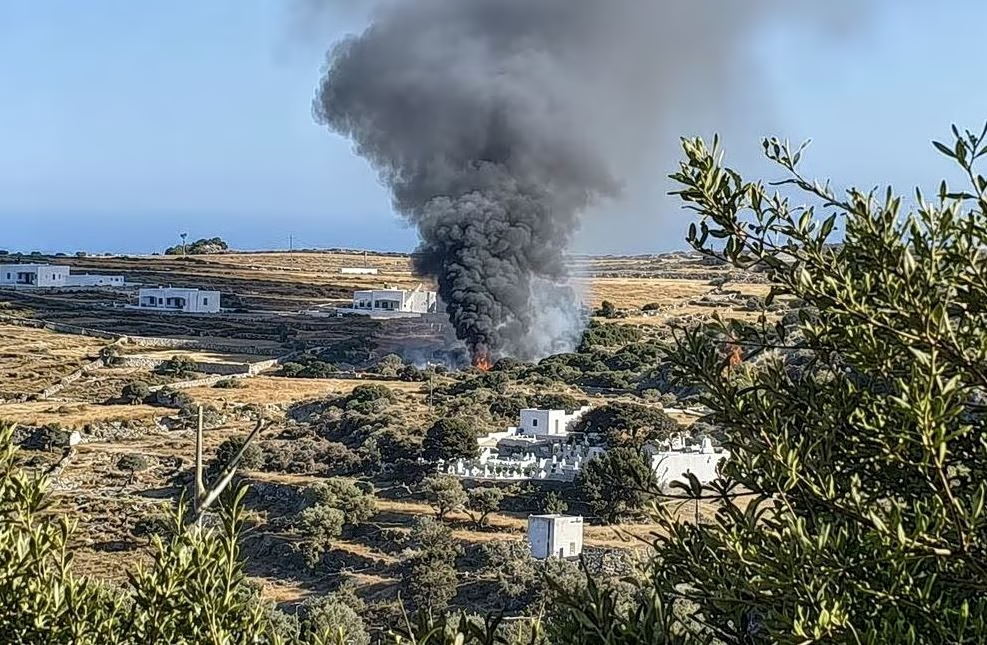
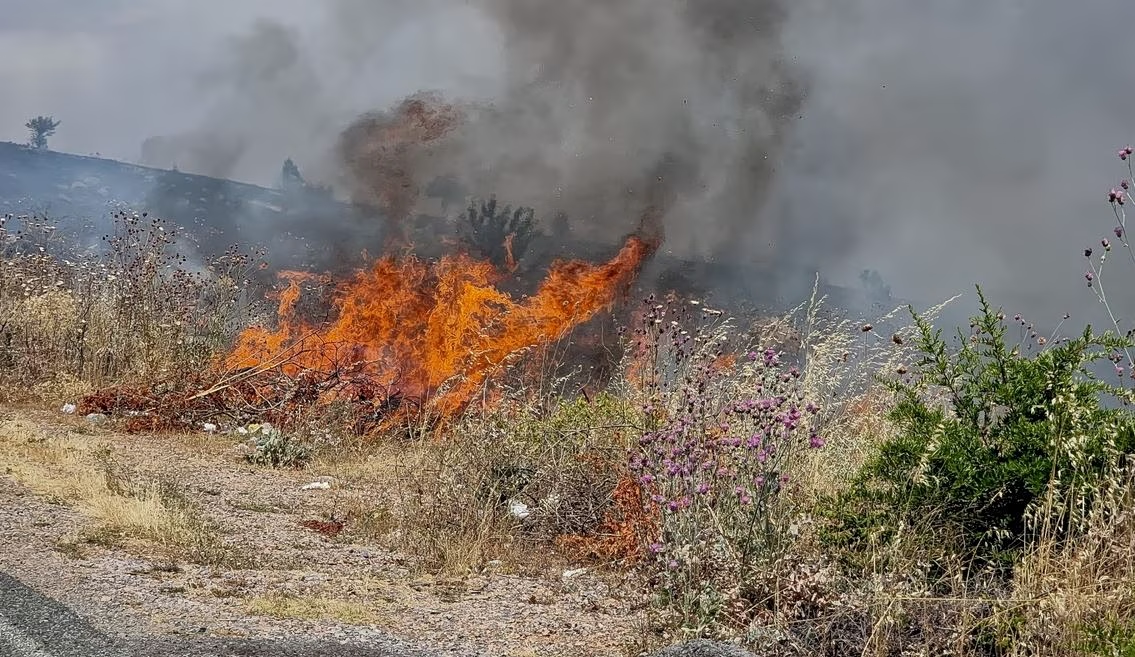
A significant wildfire has ignited in the Paranymfi region, located within the Archanes-Asterousia municipality of Heraklion, Crete. The blaze, which began in low-lying vegetation, was reported to the Fire Service Operations Center on August 25, 2026, at approximately 7:15 PM local time. The incident has triggered a comprehensive emergency response involving both ground and aerial firefighting units.
Initial reports indicate that the fire spread rapidly through the dry undergrowth, a common challenge in the Mediterranean climate during late summer. The specific geographical characteristics of the Paranymfi area, characterized by its natural flora and topography, can contribute to the swift propagation of such incidents. The prompt notification to emergency services was crucial in enabling a rapid deployment of resources to the affected zone.
Mobilization of Firefighting Forces
Upon receiving the alert, the Fire Service immediately dispatched personnel and equipment to the scene. The firefighting contingent has been substantially reinforced to manage the unfolding situation. Currently, 32 firefighters are actively engaged in the effort, supported by a specialized ground team from the 3rd EMΟDE (Emergency Response and Disaster Management Unit). This specialized unit is trained for difficult terrain and complex fire suppression operations, providing a critical component to the ground assault on the flames.
In addition to the human resources, ten fire engines have been deployed to the site. These vehicles are equipped with water tanks and pumping capabilities, essential for direct attack on the fire front and for establishing defensive perimeters. The strategic placement of these engines is vital for containing the fire and preventing its spread to more sensitive areas, including residential zones or protected natural habitats.
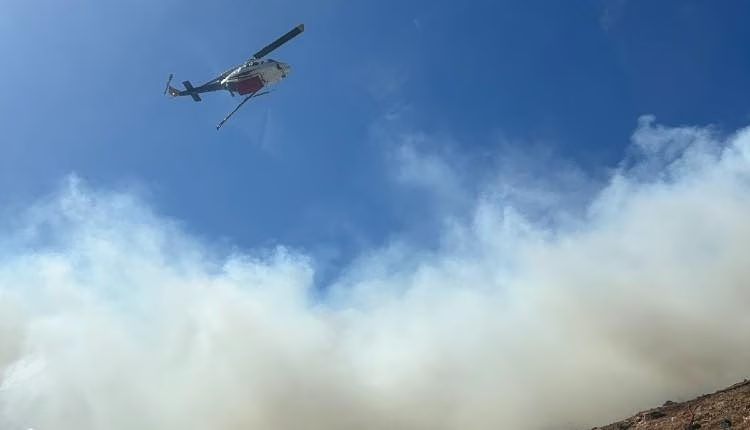
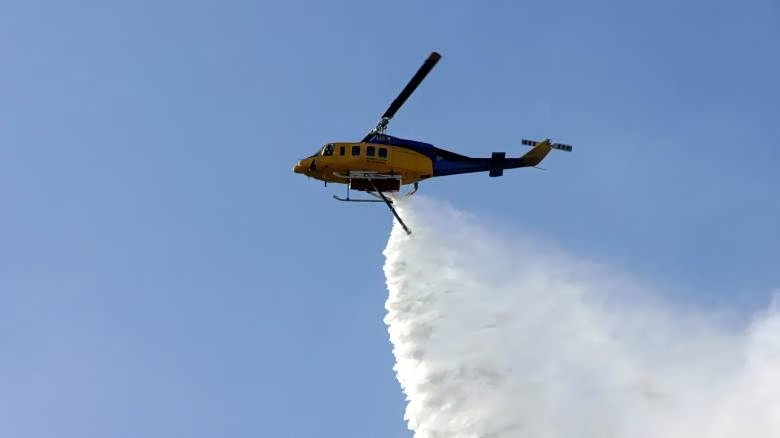
Aerial support has also been mobilized, with two helicopters actively participating in water drops. Helicopters play a crucial role in suppressing wildfires, particularly in areas that are difficult for ground crews to access. Their ability to rapidly deliver large volumes of water from above can significantly slow the fire's progression and create opportunities for ground teams to advance. The coordination between air and ground units is paramount for an effective and safe firefighting operation.
Local Authority Support and High-Risk Conditions
The municipality of Archanes-Asterousia has also joined the efforts, providing crucial logistical support to the Fire Service. The local authority has mobilized water tankers, which are indispensable for resupplying the fire engines and ensuring a continuous water supply at the scene. This collaborative approach between national emergency services and local government is a standard procedure in Greece during major incidents, ensuring that all available resources are utilized efficiently.
It is important to note that the region is currently categorized under a high risk of fire ignition, designated as Category 3. This classification indicates that weather conditions, including temperature, humidity, and wind patterns, are conducive to the rapid development and spread of wildfires. Such high-risk periods necessitate increased vigilance and preparedness from both authorities and the public. The dry vegetation, exacerbated by summer heat, acts as ready fuel for any spark, natural or human-induced.
The Fire Service's decision to deploy such extensive resources reflects the severity of the conditions and the potential for the fire to escalate. Proactive measures and rapid response are critical in mitigating the impact of wildfires, especially in ecologically sensitive areas like Crete, which is known for its unique biodiversity and natural landscapes.
Investigation into the Cause
As is standard procedure for all significant fire incidents, an investigation has been launched to determine the cause of the blaze. The Arson Crime Investigation Department of Heraklion (Anakritiko Klimakio Antimetopisis Egklimaton Emprisou Herakleiou) has been mobilized to conduct a thorough inquiry. This specialized unit is responsible for collecting evidence, interviewing witnesses, and analyzing the circumstances surrounding the fire to ascertain whether it was accidental or the result of arson.
Understanding the cause of wildfires is crucial not only for accountability but also for implementing preventative measures in the future. Human activity, whether accidental through discarded cigarettes or sparks from agricultural machinery, or intentional through arson, is a frequent cause of wildfires. Natural causes, such as lightning strikes, are also investigated, though less common in populated areas during this season.
The investigation process typically involves examining the point of origin, assessing the fire's behavior, and utilizing forensic techniques to identify any accelerants or other indicators of how the fire started. The findings of such investigations are vital for legal proceedings and for informing public awareness campaigns aimed at reducing fire risk.
Broader Context of Wildfires in Greece
Wildfires represent a recurring and significant environmental challenge for Greece, particularly during the hot, dry summer months. The Mediterranean climate, combined with extensive dry vegetation and often strong winds, creates ideal conditions for fires to ignite and spread rapidly. Over recent decades, the country has faced numerous devastating wildfire seasons, leading to substantial ecological damage, loss of property, and, tragically, sometimes loss of life.
In response to these challenges, Greek authorities, including the Fire Service, have continuously worked to enhance their preparedness and response capabilities. This includes investing in modern firefighting equipment, improving coordination mechanisms, and implementing public awareness campaigns about fire prevention. The European Union also provides support through various mechanisms, including the rescEU program, which can deploy additional firefighting aircraft and resources to member states in need.
The current incident in Paranymfi serves as a stark reminder of the ongoing threat posed by wildfires. It underscores the importance of continuous vigilance, adherence to fire safety regulations, and the readiness of emergency services to protect both natural environments and human settlements from the destructive power of uncontrolled fires. As efforts continue to bring the Paranymfi fire under control, the focus remains on ensuring the safety of personnel and preventing further spread, while the investigation seeks to uncover the origins of this latest blaze.