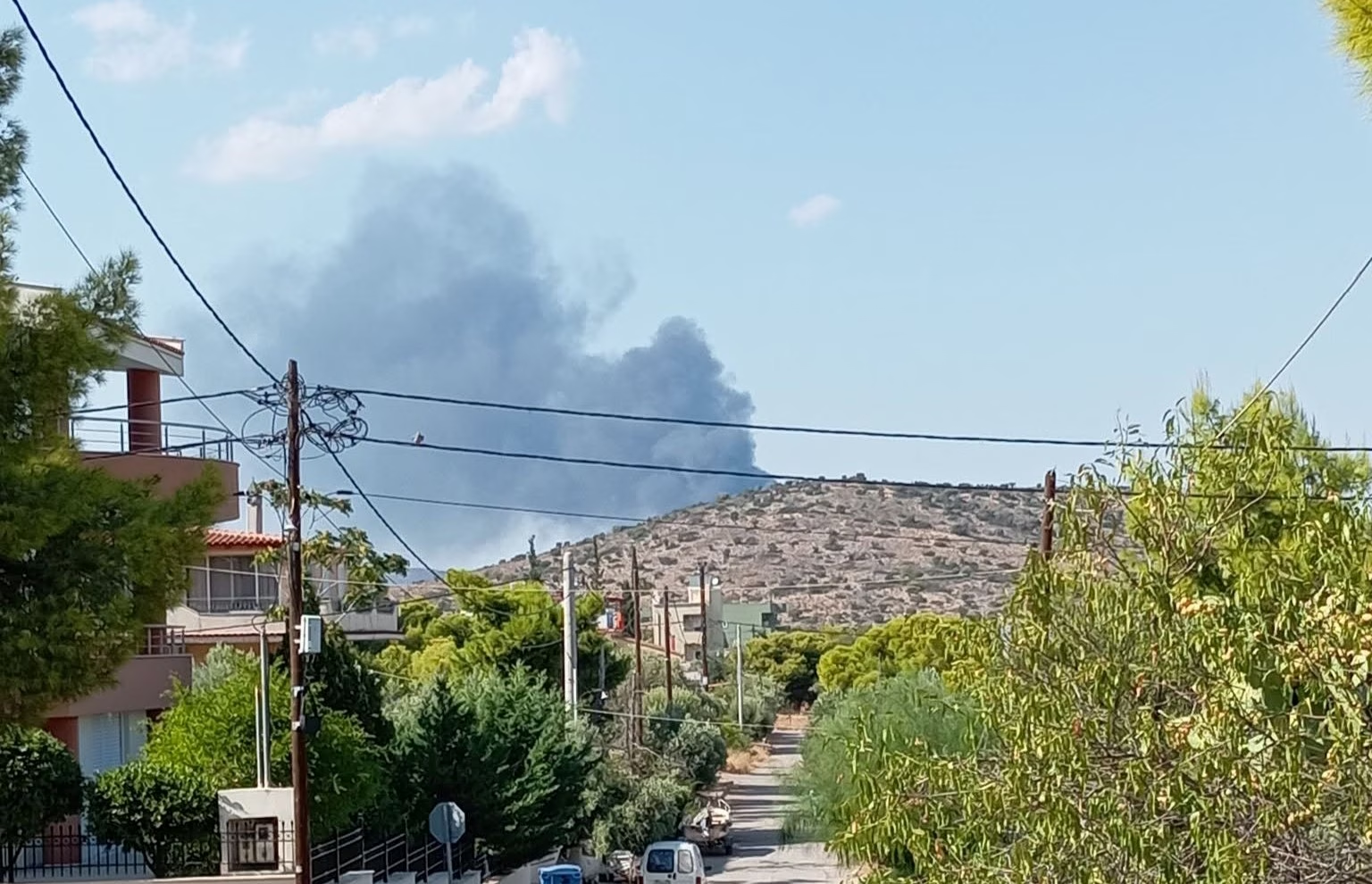
Major Blaze Engulfs Salamina, Evacuation Orders Issued
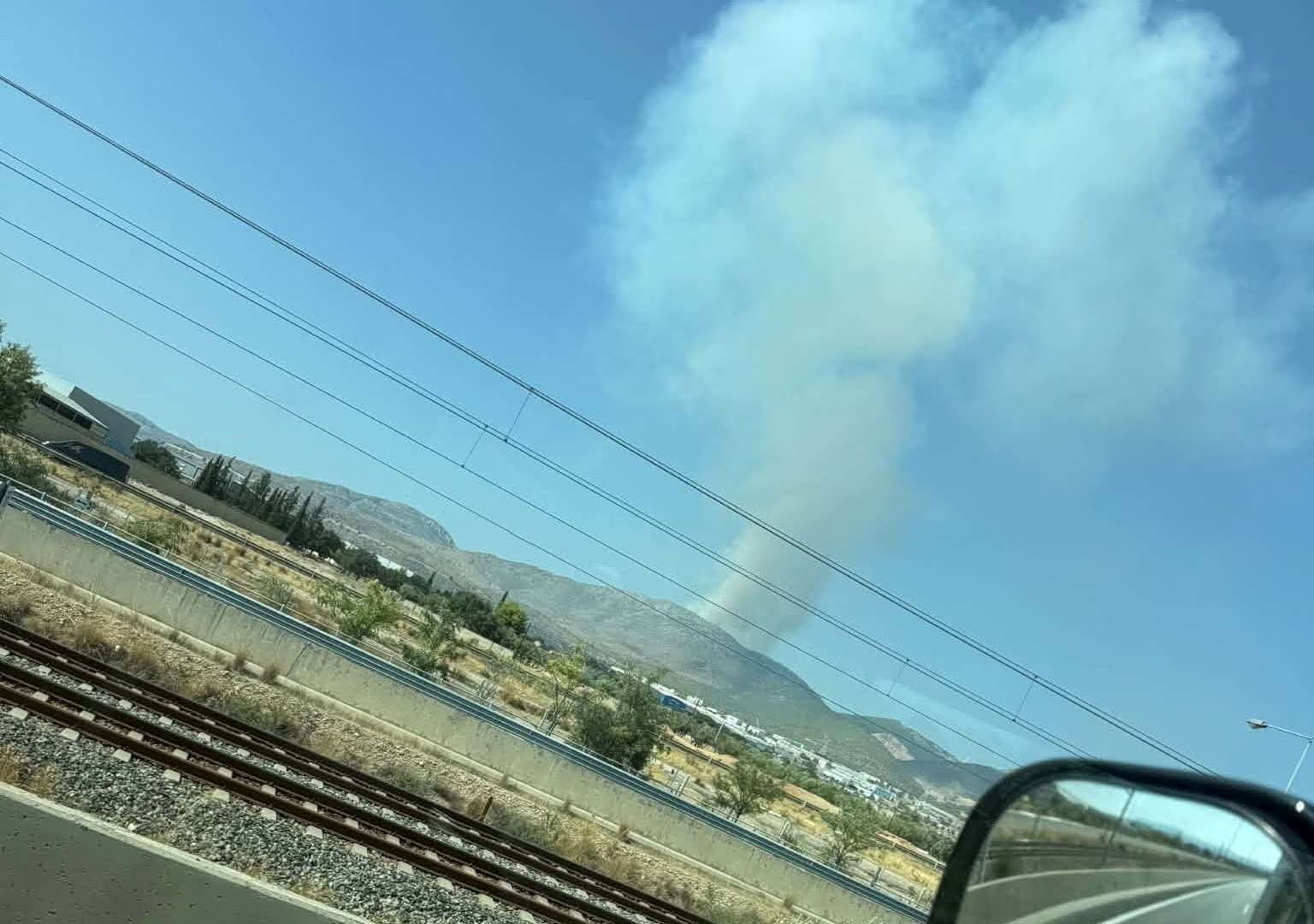
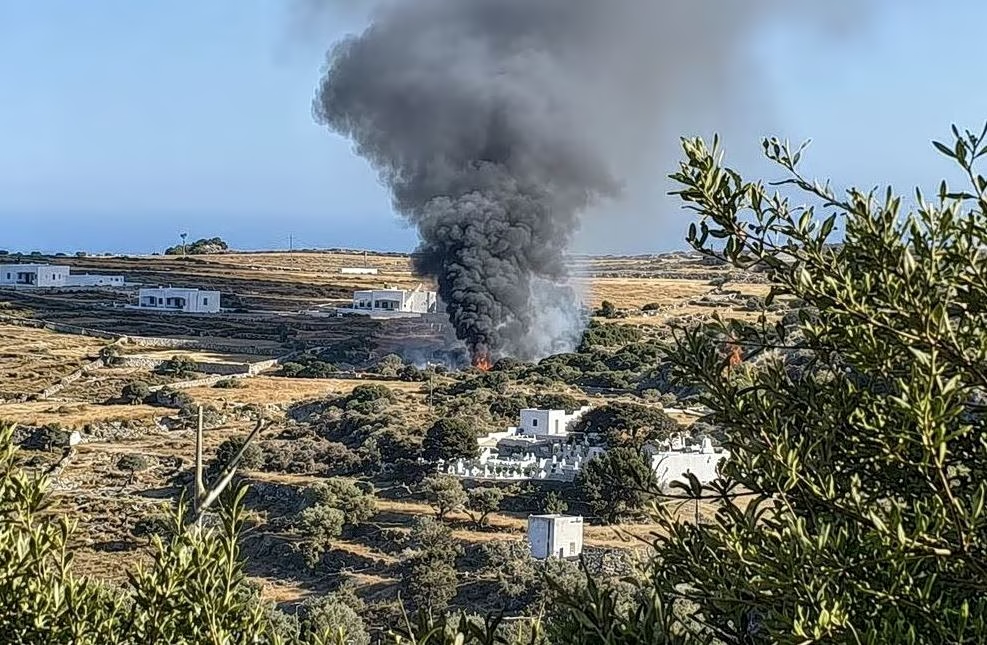
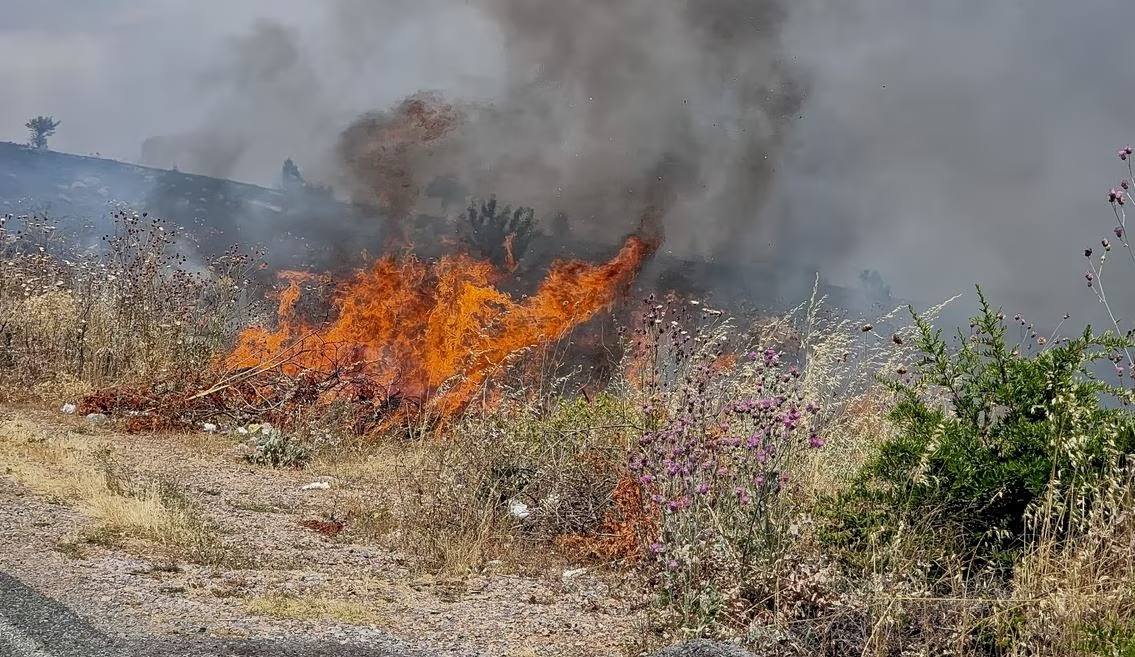
A substantial wildfire has broken out in the Elliniko region of Salamina, triggering an urgent evacuation message via the 112 emergency service. The blaze, which reportedly originated in an area containing refuse and low-lying vegetation, has escalated rapidly, with witnesses reporting audible explosions from the vicinity. Firefighting units have been dispatched to the scene, facing challenging conditions as they work to contain the conflagration and protect residential areas.
The incident began in the early afternoon, quickly spreading due to dry conditions and prevailing winds. Initial reports suggest that the fire started in a landfill or an area where waste had accumulated, combined with dry brush. Such locations are often prone to spontaneous combustion or accidental ignition, especially during periods of high temperatures and low humidity, which are characteristic of the summer months in Greece. The presence of refuse can also exacerbate a fire, providing additional fuel and potentially releasing hazardous fumes.
Emergency Response and Evacuation Procedures
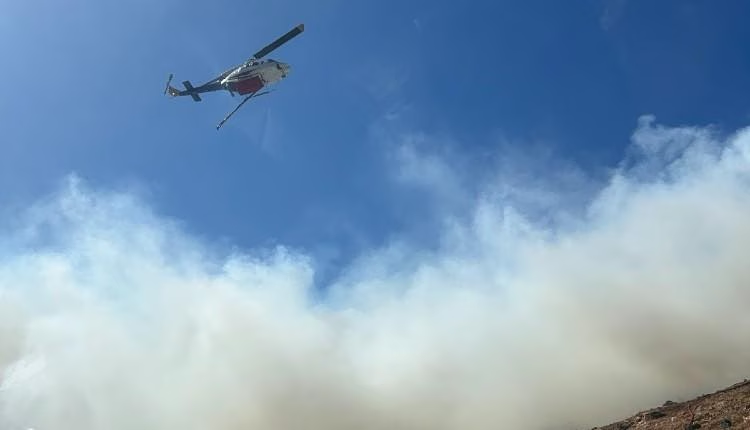
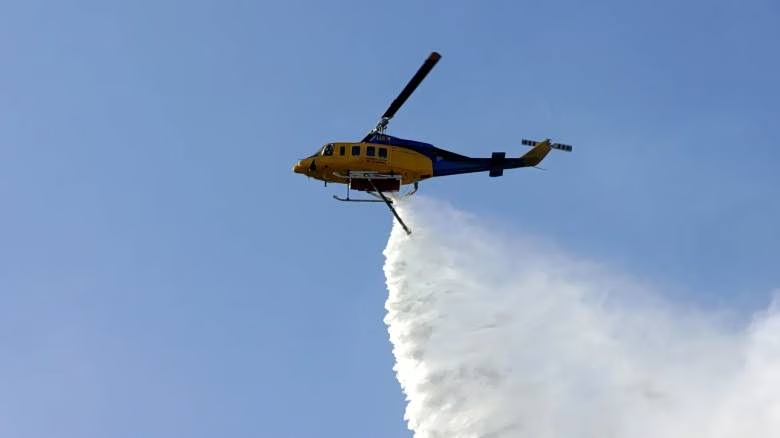
Upon receiving notification of the fire, the Hellenic Fire Service mobilized a significant force, including ground crews and aerial assets. Firefighters are battling the flames on multiple fronts, attempting to establish firebreaks and prevent further expansion towards inhabited zones. The 112 emergency alert system was activated to notify residents in affected or at-risk areas to evacuate. This system, widely used across the European Union, provides critical, real-time information and instructions during emergencies, ensuring that the public can take immediate protective measures.
The decision to issue an evacuation order is a serious one, taken when authorities determine that there is a direct threat to life and property. For residents, receiving such a message can be a source of anxiety, but it is crucial for their safety to comply promptly with the instructions. Evacuation routes are typically pre-determined, and local authorities work to ensure their accessibility during an emergency. In this instance, the evacuation aims to move people away from the immediate danger zone, particularly given the reports of explosions, which suggest the presence of combustible materials.
The Impact of Explosions and Fire Behavior
The reports of explosions emanating from the fire zone are a significant concern. These could be attributed to several factors, including the combustion of gases trapped within refuse, the ignition of propane tanks or other volatile materials often found in residential or industrial areas, or even the rapid heating and bursting of certain types of vegetation. Explosions can complicate firefighting efforts, creating additional hazards for personnel and contributing to the rapid and unpredictable spread of the fire. They can also generate flying debris, posing a risk to those in the vicinity.
Wildfires, particularly those occurring in areas with mixed vegetation and human activity, exhibit complex behavior. Factors such as wind speed and direction, topography, fuel type, and humidity all play critical roles in how a fire spreads and intensifies. In Salamina, the combination of dry brush and potential waste materials creates a highly flammable environment. The terrain of the island, which includes hilly areas and dense vegetation in places, can further challenge firefighting operations, making access difficult for ground crews and potentially creating natural chimneys that accelerate fire progression.
Environmental and Community Concerns
Beyond the immediate threat to life and property, wildfires have significant environmental consequences. The destruction of vegetation leads to habitat loss for wildlife and contributes to soil erosion, especially in mountainous or sloped areas. The smoke produced by large fires can also have far-reaching effects, impacting air quality in neighboring communities and potentially causing respiratory issues for vulnerable populations. The burning of refuse, as reported in this incident, can release toxic pollutants into the atmosphere, posing additional health risks.
For the community of Salamina, a wildfire of this magnitude represents a significant disruption. Residents may face the loss of homes, businesses, and agricultural land. The psychological impact of such events can also be substantial, with individuals experiencing stress, anxiety, and trauma. Post-fire recovery efforts are often extensive, involving not only the rebuilding of infrastructure but also environmental restoration and community support initiatives. Local and national authorities, along with volunteer organizations, typically coordinate these efforts to help affected areas return to normalcy.
Preventative Measures and Future Preparedness
This incident underscores the ongoing challenge of wildfire management, particularly in regions susceptible to dry, hot conditions. Effective prevention strategies are crucial, including regular clearing of dry vegetation, proper waste management, and public awareness campaigns about fire safety. Early detection systems, such as surveillance cameras and aerial patrols, can also play a vital role in identifying fires in their initial stages, allowing for a more rapid and effective response.
As climate change continues to influence weather patterns, increasing the frequency and intensity of heatwaves and droughts, the risk of wildfires is expected to grow. This necessitates a proactive approach to disaster preparedness, involving not only improved firefighting capabilities but also community-level resilience building. Educating residents on emergency protocols, establishing clear communication channels, and ensuring accessible evacuation routes are all essential components of a comprehensive strategy to mitigate the impact of future fire events. The Salamina fire serves as a stark reminder of the destructive power of nature and the importance of continuous vigilance and preparedness in the face of such threats.