Major Wildfire Erupts in Boeotia, Forces Evacuations
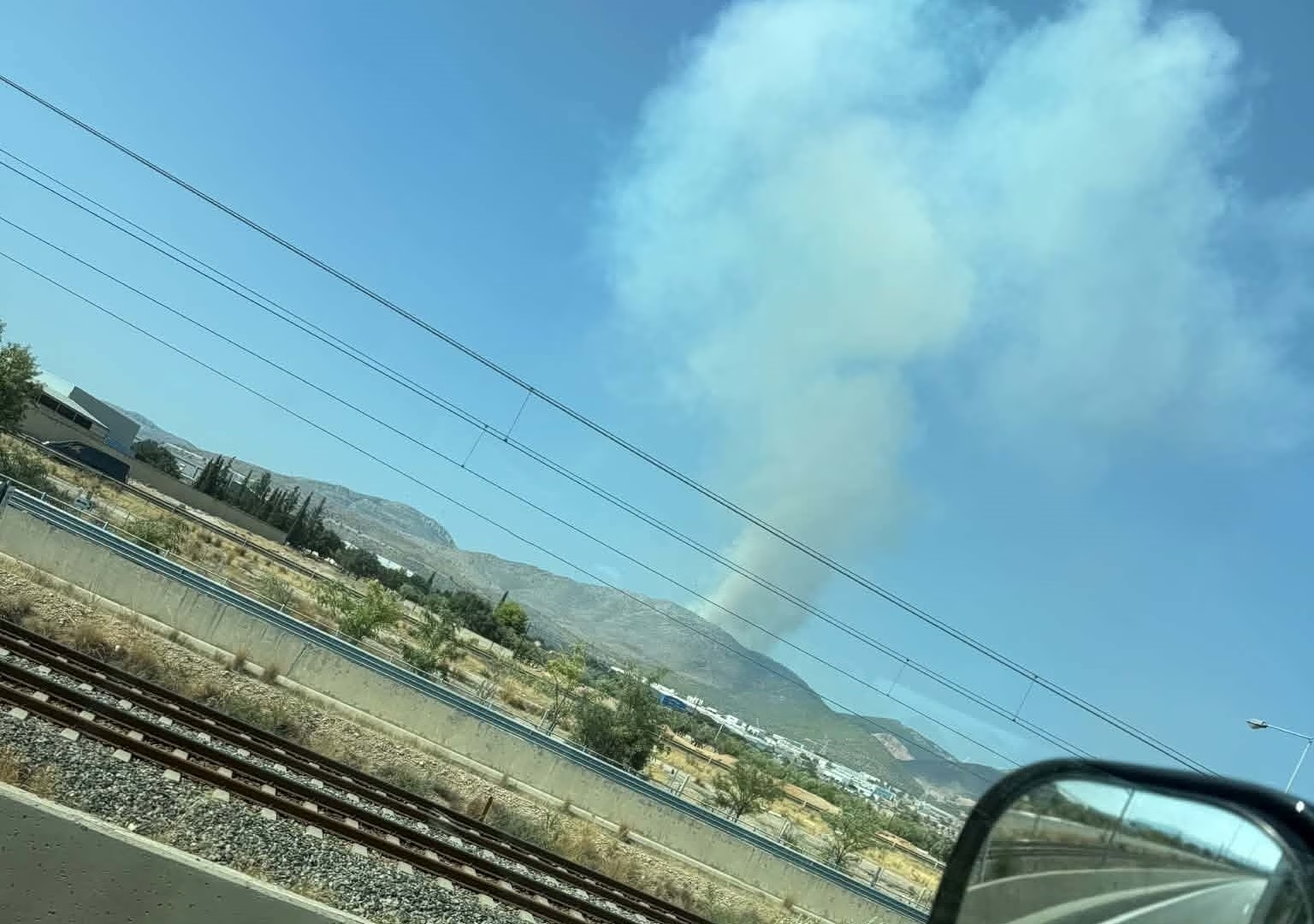
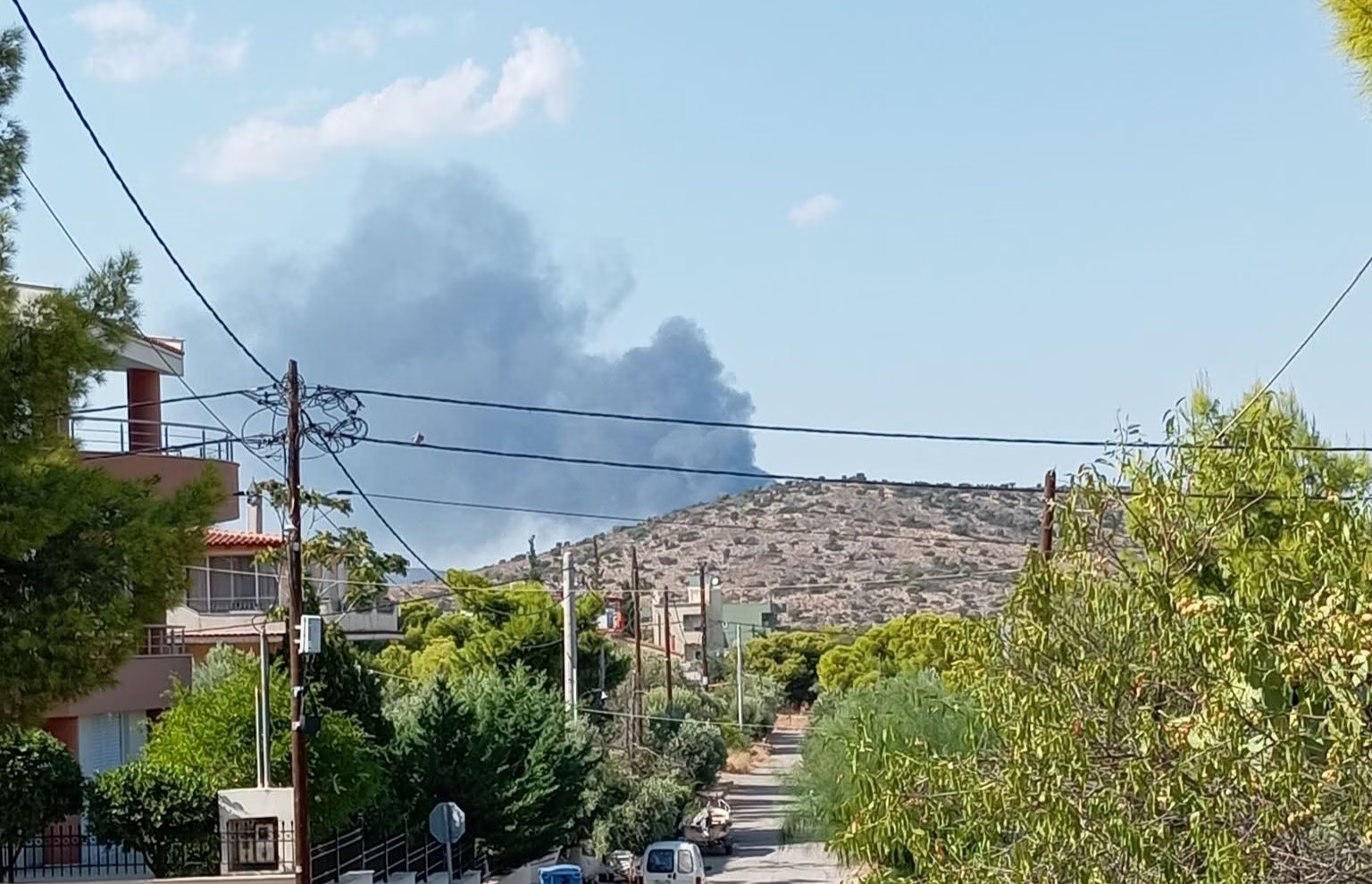
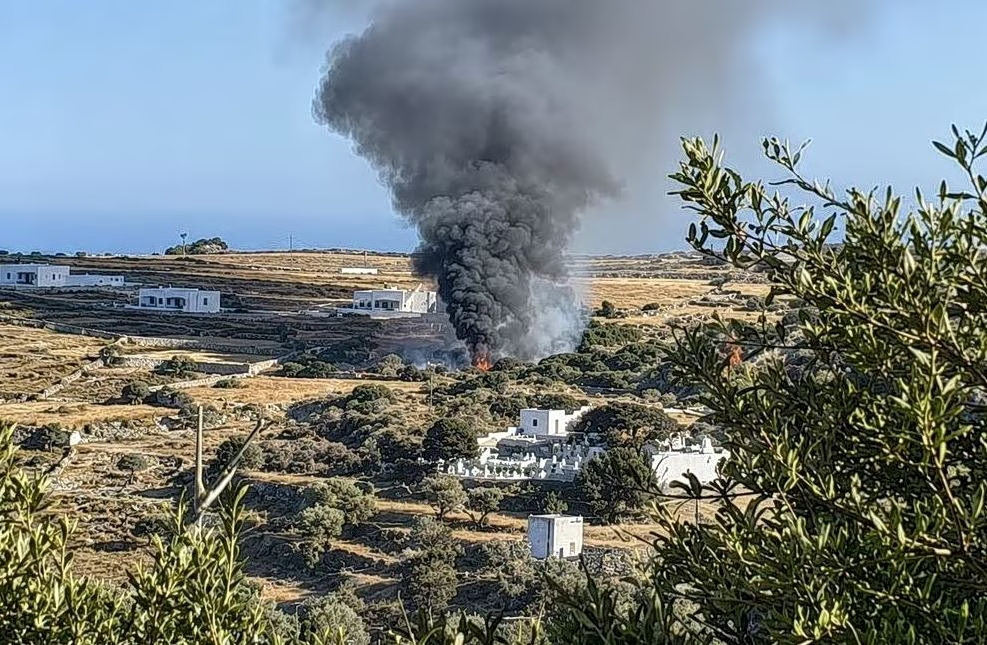
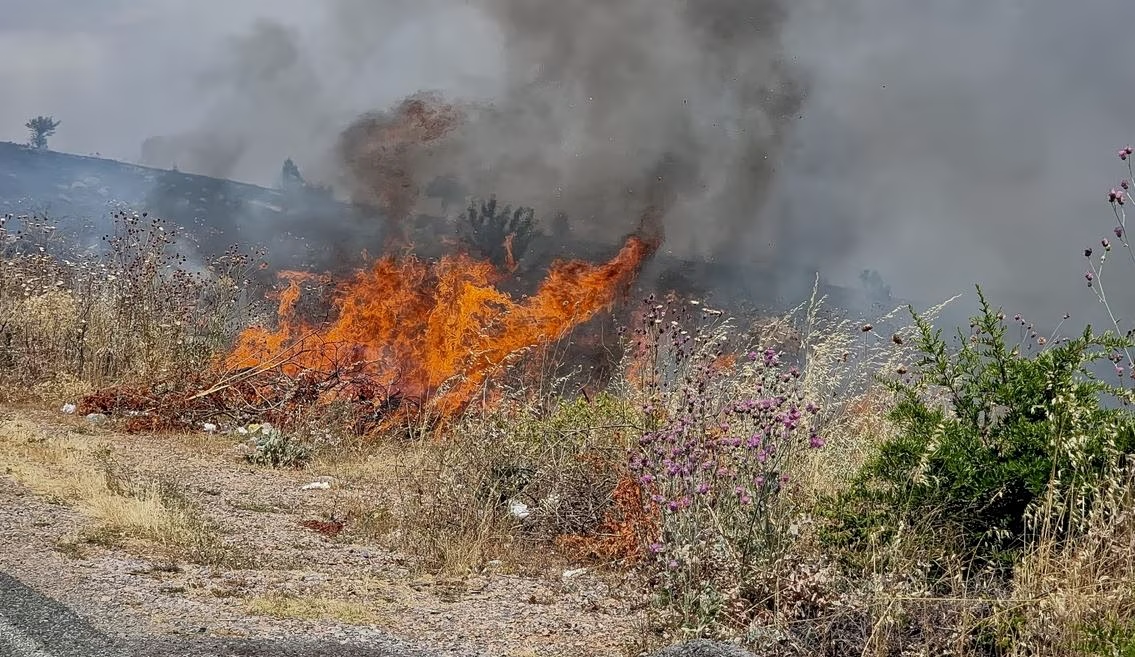
A substantial wildfire has ignited in a rural area of Boeotia, situated between the communities of Agios Vlasios and Tsoukalades. The blaze, which initially affected low-lying vegetation, rapidly expanded and is now threatening dense forestland, prompting an immediate and robust response from firefighting authorities. The escalating situation has necessitated the precautionary evacuation of residents from Tsoukalades, underscoring the severity and potential danger posed by the fire.
The incident began in the early afternoon, with initial reports indicating a fire in an area characterized by dry brush and scattered trees. However, due to a combination of factors including strong winds and high temperatures, the fire's trajectory quickly shifted, pushing it towards more densely forested terrain. This transition has complicated containment efforts, as the fire now has access to a greater fuel load, increasing its intensity and potential for rapid spread.
Emergency Response and Resource Mobilization
Upon receiving notification of the fire, the Hellenic Fire Service immediately dispatched ground units to the scene. These initial crews faced challenging conditions, including difficult access to the fire's origin point and a rapidly moving front. Recognizing the potential for the situation to worsen, authorities quickly escalated the response, mobilizing additional resources from across the region.
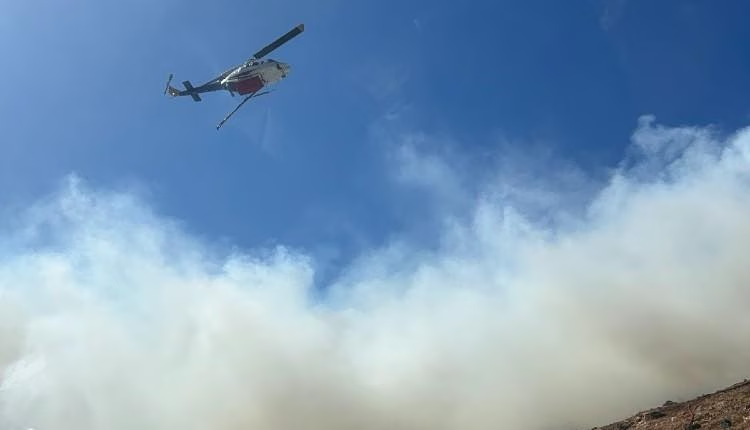
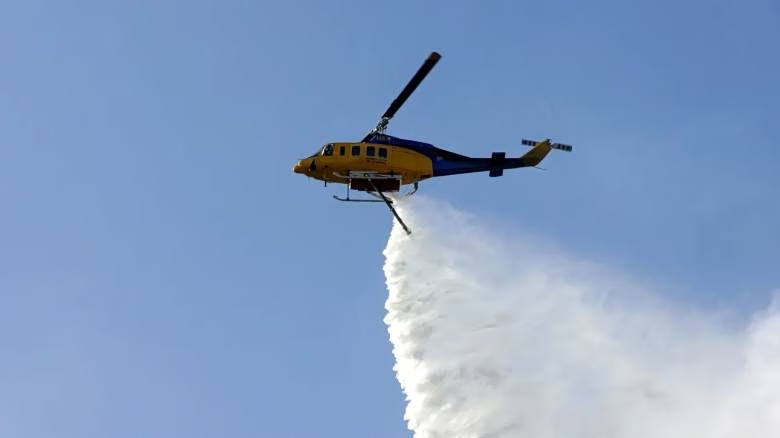
A critical component of the firefighting strategy involves aerial support. Within a short period, a fleet of nine aerial assets, including both firefighting planes and helicopters, was deployed to the area. These aircraft are crucial for delivering large volumes of water directly onto the fire, particularly in areas inaccessible to ground crews. Their coordinated efforts aim to create fire breaks and reduce the overall intensity of the blaze, allowing ground teams to move in safely and establish perimeter control.
In addition to the Hellenic Fire Service, units from the Hellenic Police and the National Centre for Emergency Care (EKAV) have also been deployed. Police forces are primarily responsible for managing traffic, securing evacuation routes, and ensuring the safety of residents. EKAV personnel are on standby to provide medical assistance should it be required, particularly to those affected by smoke inhalation or other fire-related injuries.
Evacuation Protocols and Public Safety
The decision to evacuate Tsoukalades was made as a preventative measure to safeguard human life. As the fire approached the settlement, authorities, in conjunction with local municipal officials, issued an urgent evacuation order. Residents received notifications through the emergency alert system, 112, advising them to leave their homes and proceed to designated safe areas. This proactive approach aims to prevent any potential casualties and allow emergency services to focus entirely on fire suppression without the added concern of civilian safety in immediate danger zones.
Evacuation procedures are being meticulously managed, with police escorts guiding residents away from the affected area. Local community centers and other public facilities have been prepared to accommodate those displaced by the fire, offering temporary shelter, food, and essential services. The well-being of the evacuated population remains a top priority for all agencies involved in the emergency response.
Challenges and Environmental Impact
The terrain in the Boeotia region, characterized by its varied landscape of low vegetation and dense forests, presents significant challenges to firefighting operations. The presence of highly flammable pine trees and dry undergrowth, exacerbated by a prolonged period of drought and high temperatures, creates an ideal environment for wildfires to spread rapidly and intensely. Furthermore, the topography, which includes hills and valleys, can create unpredictable wind patterns, further complicating efforts to contain the blaze.
Beyond the immediate threat to human settlements, the wildfire poses a significant environmental risk. The destruction of forested areas can lead to long-term ecological damage, including habitat loss for wildlife, soil erosion, and a reduction in air quality due to smoke and particulate matter. The recovery of these ecosystems can take many years, if not decades, highlighting the profound impact of such events.
Community Resilience and Support
Amidst the crisis, the local community has demonstrated remarkable resilience and solidarity. Volunteers are assisting emergency services where possible, providing support to evacuated residents, and offering resources to those in need. This community spirit is vital in times of crisis, supplementing the efforts of official agencies and reinforcing the collective response to the disaster.
Local authorities are also working to keep the public informed through regular updates on the fire's status, evacuation orders, and safety guidelines. Transparency and clear communication are crucial in managing public anxiety and ensuring that residents have access to accurate information to make informed decisions for their safety.
Ongoing Efforts and Future Outlook
As of the latest reports, firefighting forces continue their intensive efforts to bring the blaze under control. The focus remains on containing the fire's perimeter, protecting residential areas, and preventing further spread into untouched forestland. While the situation remains dynamic and challenging, the coordinated and robust response from all involved agencies offers hope for eventual containment.
The long-term implications of this wildfire will require careful assessment once the immediate threat has passed. This will include evaluating the extent of environmental damage, planning for reforestation efforts, and reviewing emergency response protocols to enhance future preparedness. The incident serves as a stark reminder of the increasing frequency and intensity of wildfires, particularly in regions susceptible to climate change impacts, underscoring the need for continued investment in prevention and response capabilities.
The residents of Boeotia are urged to remain vigilant, follow all instructions from emergency services, and stay informed through official channels. The safety and well-being of the community remain paramount as the battle against this significant wildfire continues.