Fatal Drowning Incident Strikes Popular Mykonos Beach
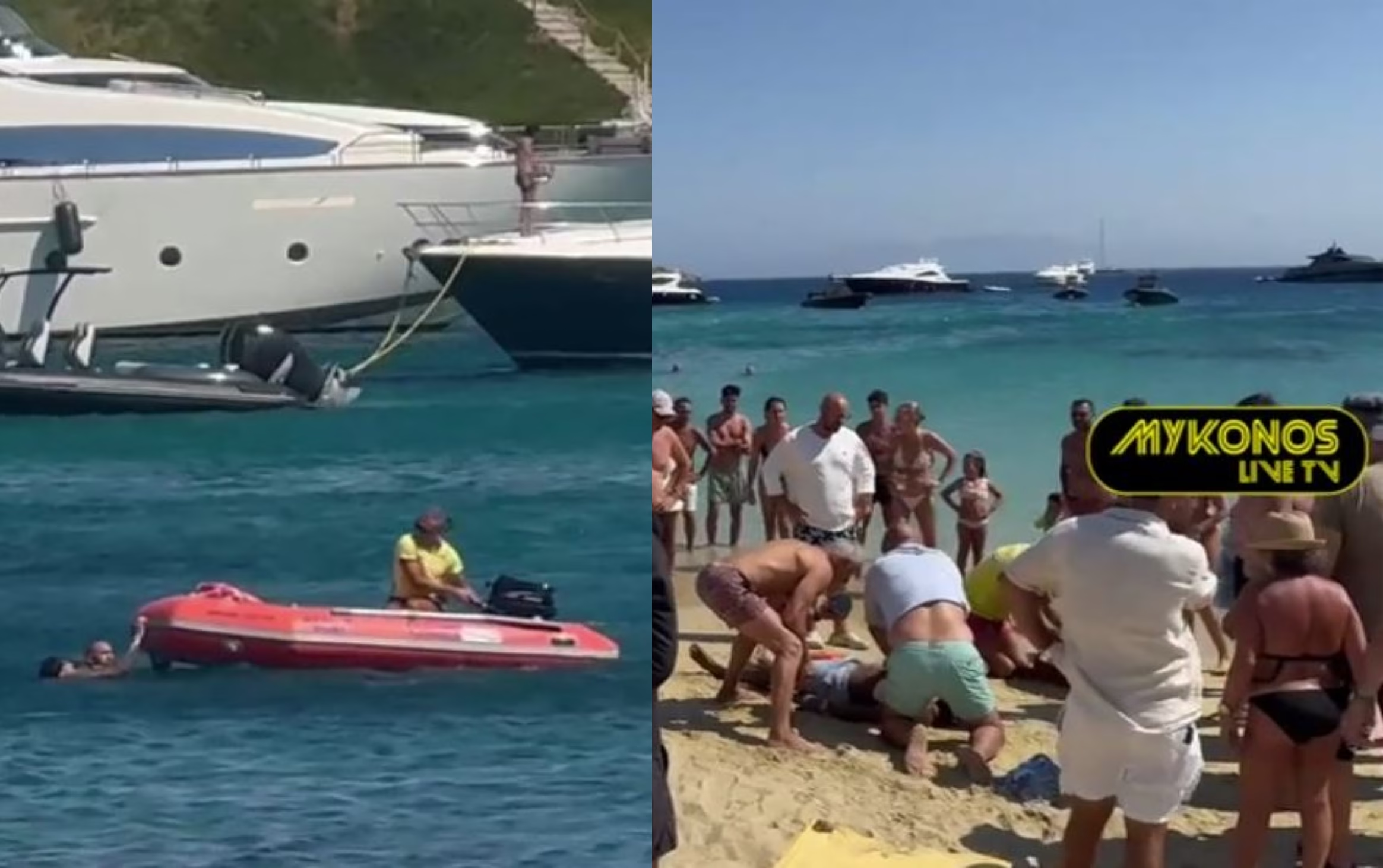
A tragic drowning incident unfolded at Psarrous Beach on the Greek island of Mykonos on Monday afternoon, claiming the life of an Arab tourist. Despite urgent and sustained efforts by a lifeguard on duty and several beachgoers who witnessed the emergency, the man could not be saved.
What Happened at Psarrous Beach
The incident occurred during the midday hours when the beach was populated with tourists enjoying the summer weather. The man, identified as an Arab national, got into serious difficulty in the water and was pulled from the sea by those who noticed he was in distress.
Once on shore, a lifeguard immediately began cardiopulmonary resuscitation, commonly known as CPR. Nearby swimmers and beachgoers also stepped in to assist, participating in the desperate bid to revive the man. The collective efforts continued for an extended period, but ultimately failed to produce a positive result.
Emergency services were alerted and responded to the scene, but medical personnel were unable to restore the tourist's vital signs. The man was pronounced dead at the location.
A Grim Reminder of Water Safety Risks
The incident has cast a shadow over what is typically one of the busiest tourist periods on Mykonos, one of Greece's most visited and internationally recognized islands. Psarrous Beach, known for its vibrant atmosphere and popularity among visitors from around the world, became the site of a deeply distressing scene on what would otherwise have been a routine summer afternoon.
Drowning incidents at Greek beaches during the peak tourist season raise persistent concerns about water safety awareness, particularly among visitors who may not be familiar with local sea conditions. Strong underwater currents, sudden changes in sea depth, and the physical demands of swimming in open water can present serious hazards even to individuals who consider themselves capable swimmers.
Lifeguard Presence and Emergency Response
The presence of a trained lifeguard at the scene meant that resuscitation efforts began almost immediately after the tourist was brought out of the water. CPR was administered without delay, which is widely regarded as a critical factor in determining outcomes in drowning cases. However, even prompt and correctly performed resuscitation does not guarantee survival, particularly when a person has been submerged or in cardiac arrest for an extended period.
The rapid response from fellow beachgoers also highlighted the importance of public awareness around basic emergency first aid. Bystanders who know how to assist during a medical emergency can play a meaningful role in supporting professional responders, though outcomes ultimately depend on a wide range of medical and circumstantial factors.
Mykonos and the Broader Context of Tourist Safety in Greece
Greece welcomes millions of tourists each summer, with the Cyclades islands — including Mykonos — among the most sought-after destinations in the Mediterranean. The combination of clear blue waters, scenic beaches, and warm temperatures draws visitors from across Europe, the Middle East, and beyond.
However, the high volume of visitors also brings with it an increased responsibility for safety infrastructure and public awareness. Greek authorities and local municipalities have invested in lifeguard services across many popular beaches, but not every stretch of coastline is covered, and not every visitor is adequately informed about the risks associated with sea swimming.
Water-related fatalities among tourists are not uncommon in Greece during the summer months. Each year, a number of incidents are recorded involving foreign nationals who encounter difficulty in the sea, with outcomes ranging from successful rescues to tragic deaths. The causes are varied and can include overestimating one's swimming ability, ignoring warning flags, consuming alcohol before swimming, or being caught off guard by sudden changes in conditions.
Reactions and Ongoing Investigation
Local authorities on Mykonos are expected to conduct a standard investigation into the circumstances of the drowning. Such investigations typically seek to establish the sequence of events, assess whether all appropriate safety protocols were followed, and determine whether any contributing factors could have been prevented.
The identity of the deceased has not been publicly released, and consular authorities from the man's home country are expected to be notified in accordance with standard procedures for handling the deaths of foreign nationals abroad.
The incident has prompted renewed discussion on social media and among travel communities about the importance of exercising caution at the beach, respecting posted safety warnings, and being honest with oneself about one's physical capabilities in open water.
Key Takeaways on Beach Safety
- Always swim in designated areas monitored by qualified lifeguards
- Pay close attention to flag warning systems indicating sea conditions
- Avoid swimming alone or immediately after consuming alcohol or a heavy meal
- Be aware of your physical limits, especially in unfamiliar or open-water environments
- Learn basic CPR and first aid techniques, as bystander intervention can be critical in emergencies
The death of the tourist at Psarrous Beach serves as a sobering reminder that the sea, however inviting it may appear, carries inherent risks that should never be underestimated. As Greece continues to receive large numbers of international visitors each summer season, the need for robust safety measures and informed, cautious behavior at the beach remains as relevant as ever.