A Dental Trip Abroad Turns Into a Life-Threatening Crisis
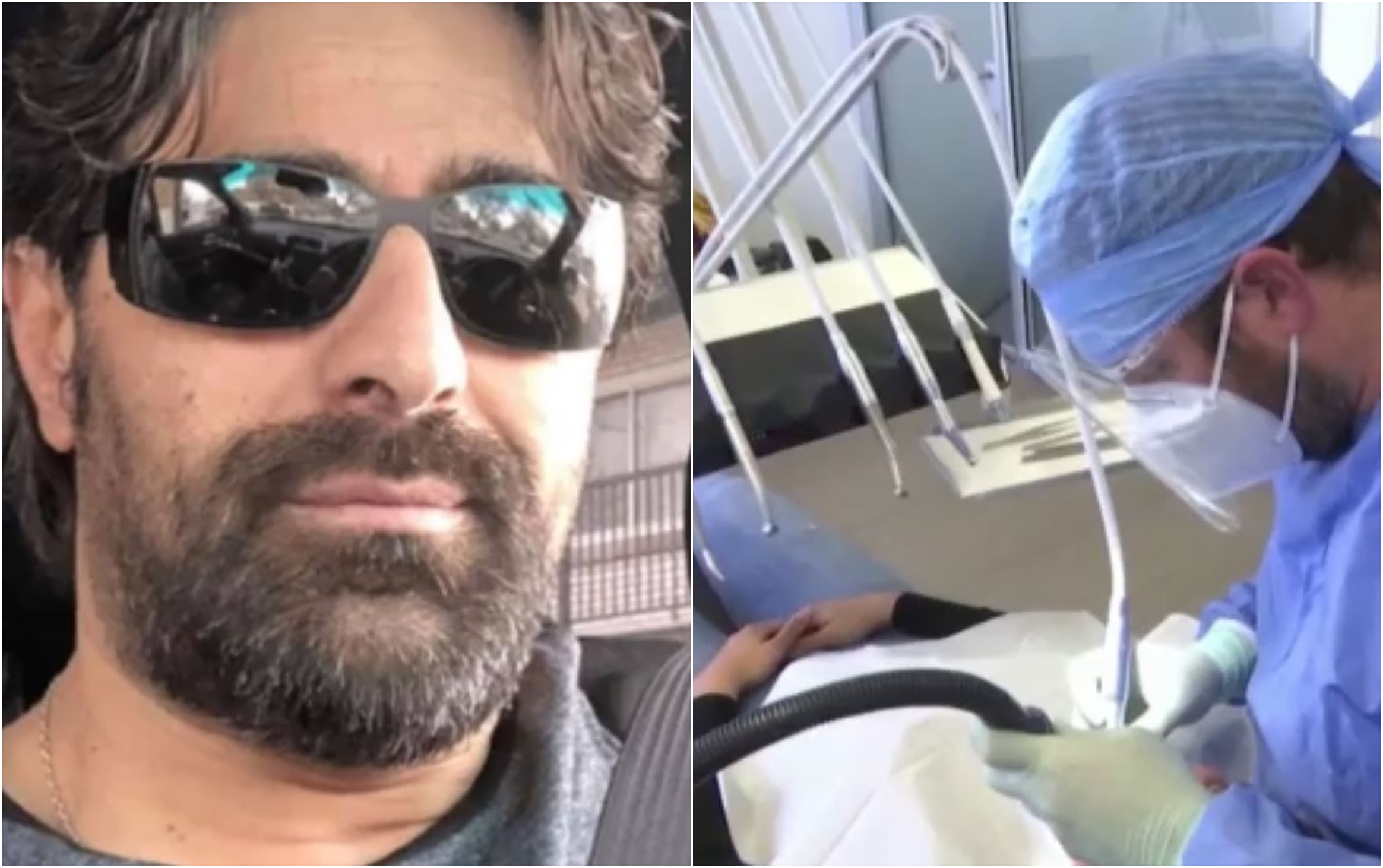
What began as a straightforward decision to save money on dental care has turned into a medical emergency for a 53-year-old man, who has now been lying in a coma in an intensive care unit for approximately one month. The man had chosen to travel to Turkey specifically to undergo a dental implant procedure, attracted by the significantly lower costs compared to having the same treatment performed in his home country.
The case has drawn considerable public attention, raising difficult questions about the risks associated with traveling abroad for medical and dental procedures — a practice that has grown increasingly common in recent years as healthcare costs continue to rise across Europe and beyond.
The Growing Trend of Dental Tourism
Dental tourism — the practice of traveling to another country to receive dental care at a fraction of the price one would pay domestically — has become a widespread phenomenon. Countries such as Turkey, Hungary, Poland, and several others in Eastern Europe and the Middle East have positioned themselves as popular destinations for patients from Western Europe seeking affordable procedures ranging from teeth whitening and veneers to full dental implant surgeries.
Turkey in particular has invested heavily in its medical and dental tourism sectors, with clinics in major cities like Istanbul and Antalya advertising packages that bundle treatment with accommodation and transportation. For many patients, the financial savings can be substantial, sometimes reaching tens of thousands of euros depending on the complexity of the procedure required.
However, medical professionals and health authorities have consistently warned that opting for treatment abroad carries inherent risks, including differences in clinical standards, limited post-operative follow-up care, and the complications that can arise from traveling shortly after a surgical procedure.
A Month in Intensive Care
According to available information, the 53-year-old man's condition deteriorated following the dental implant procedure, ultimately resulting in him being admitted to an intensive care unit, where he has remained in a coma for around one month. The precise nature of the medical complications that led to his critical condition has not been fully disclosed publicly, but the severity of his situation has understandably alarmed both his family and the broader public.
Dental implant surgery, while considered routine in well-equipped and properly staffed dental facilities, does involve a degree of surgical risk. The procedure typically requires the insertion of titanium posts into the jawbone, which then fuse with the bone over time to serve as anchors for artificial teeth. Complications, though relatively uncommon in standard practice, can include infection, nerve damage, sinus problems, implant failure, and in rare but serious cases, reactions to anesthesia or systemic infections that can become life-threatening.
Balancing Cost Savings Against Potential Risks
The case of the 53-year-old man serves as a stark illustration of the potential consequences that can accompany decisions driven primarily by cost considerations. While the vast majority of patients who seek dental or medical care abroad return home without serious incident, cases like this highlight the importance of thoroughly researching any clinic or practitioner before committing to treatment in a foreign country.
Health experts generally recommend that patients considering treatment abroad take several precautions, including:
- Verifying the credentials and qualifications of the treating dentist or medical professional
- Researching the clinic's reputation through independent reviews and, where possible, accreditation by recognized international healthcare organizations
- Consulting with a domestic healthcare provider before and after any procedure performed abroad
- Ensuring that comprehensive travel and medical insurance is in place prior to departure
- Planning for adequate recovery time before undertaking return travel
Authorities and consumer protection organizations in several European countries have also issued guidelines for patients interested in medical tourism, emphasizing that the lowest price does not necessarily equate to the best value when health and safety are factored into the equation.
Broader Implications for Healthcare Policy
Beyond the immediate human tragedy of this individual case, the incident points to a wider systemic issue: the high cost of dental care in many countries is pushing patients toward alternatives that may carry greater risk. Unlike many other forms of healthcare, dental treatment is frequently not covered — or only partially covered — by public health insurance systems, leaving patients to bear significant out-of-pocket expenses.
This financial pressure creates a situation where individuals, particularly those on modest incomes, feel compelled to seek care wherever it is most affordable, sometimes without fully understanding or being able to adequately assess the risks involved. Critics of current dental healthcare policy argue that if access to affordable, high-quality dental treatment were more readily available domestically, fewer people would feel the need to travel abroad and expose themselves to the uncertainties that come with receiving care in an unfamiliar healthcare environment.
Advocates for patients' rights have used cases like this one to call for greater regulation of the dental tourism industry, including clearer information requirements for clinics that market their services internationally, as well as improved mechanisms for patients to seek recourse if something goes wrong during or after treatment received in another country.
A Family Left Waiting
At the center of this story is a man and his family, who are now navigating an agonizing period of uncertainty. While broader policy discussions continue, those closest to the 53-year-old are focused entirely on his recovery, hoping that he will emerge from his critical condition. His case is a reminder that behind every statistic and every policy debate, there are real people making difficult decisions under real financial pressure — and sometimes facing devastating consequences as a result.
As of the time of reporting, the man remains in intensive care, and updates on his condition are being closely watched by those who know him, as well as by a wider public that has been moved by the circumstances surrounding his medical crisis.