Fire Erupts in Forest Zone on Samos
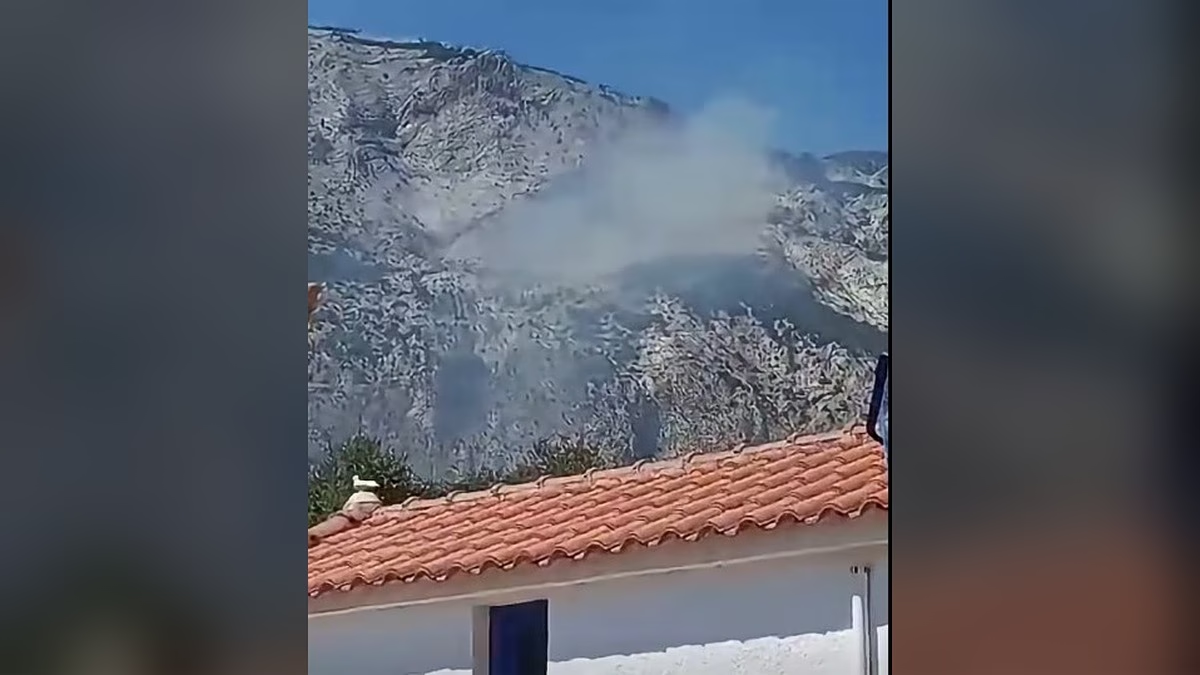
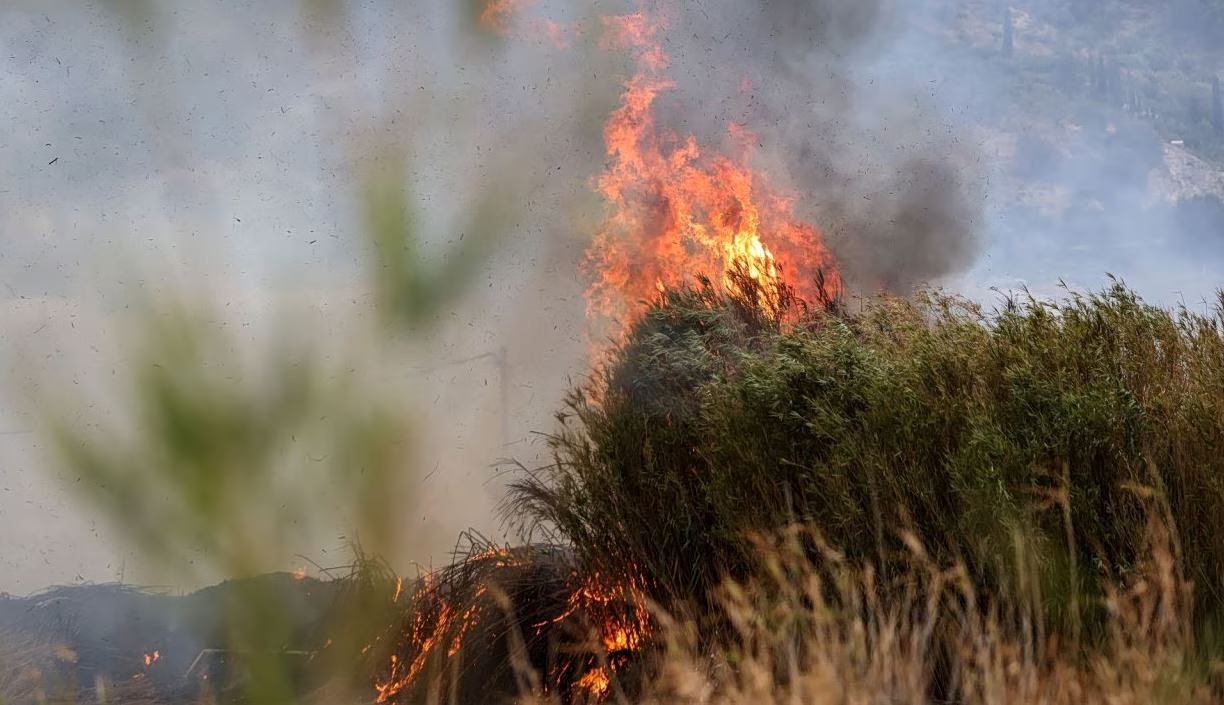
A wildfire broke out on August 24, 2026, in a forested area known as Vangelistra, situated near the village of Marathokampos on the Greek island of Samos. The Fire Service Operations Center received the initial alert at approximately 2:15 p.m. local time, triggering an immediate and coordinated emergency response.
The blaze spread through dense woodland terrain, raising concerns about its potential to expand further given the conditions typical of late summer in the eastern Aegean region. Authorities moved swiftly to contain the fire before it could threaten nearby inhabited areas or cause significant environmental damage.
Firefighting Forces Mobilized on Multiple Fronts
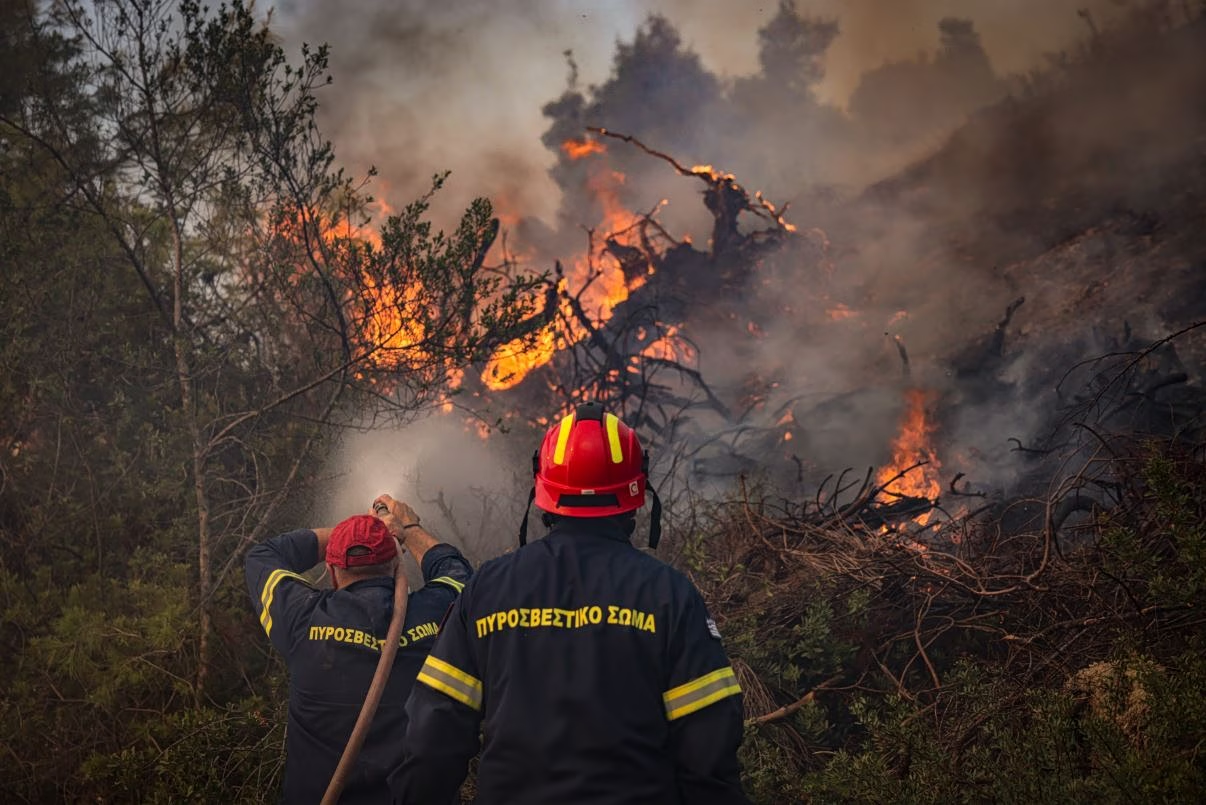
In response to the outbreak, the Hellenic Fire Service deployed a substantial force to the scene. A total of 28 firefighters were dispatched to the area, supported by 10 firefighting vehicles. Additionally, a ground team from the 14th EMODE — a specialized firefighting unit — was activated to assist with operations in terrain where vehicle access is limited.
Aerial support was also called in, with one helicopter joining the operation to assist with water drops over the affected woodland zone. The coordination of ground and air resources reflects standard procedure for wildfires in remote or rugged areas, where swift containment is critical to preventing further spread.
Local Municipality Provides Additional Support
The Municipality of Western Samos was also mobilized as part of the broader emergency response effort. Local authorities were called upon to provide water-carrying vehicles, supplementing the resources already deployed by the national fire service. This kind of municipal involvement is common during wildfire incidents in Greece, where local infrastructure and equipment can play a meaningful role in supporting frontline firefighting efforts.
The collaboration between national firefighting bodies and local government agencies is a key component of Greece's approach to managing the increasing frequency and intensity of wildfires, particularly during the high-risk summer months when hot and dry conditions create ideal circumstances for fires to ignite and spread rapidly.
Arson Investigation Unit Called In
Alongside the firefighting operation, authorities initiated steps to determine the cause of the blaze. The Arson Crimes Investigation Unit based in Lesbos was activated and deployed to Samos to conduct a formal inquiry into how the fire started.
The involvement of the arson investigation unit does not necessarily indicate that foul play is suspected, as it is standard procedure in Greece to investigate the origins of wildfires. However, it does signal that officials are taking seriously the possibility that the fire may not have been accidental. Investigators will examine the ignition point and surrounding evidence to establish whether the fire resulted from natural causes, human negligence, or deliberate action.
Samos and the Broader Context of Greek Wildfires
The island of Samos, located in the eastern Aegean Sea close to the Turkish coastline, has experienced wildfire incidents in previous years, as have many Greek islands and mainland regions. Greece has faced an escalating wildfire crisis in recent summers, with climate change, prolonged droughts, and rising temperatures contributing to an environment where fires ignite more easily and spread more aggressively than in past decades.
The 2020s have seen a series of major fire events across Greece, including devastating blazes on Evia, Rhodes, Corfu, and other regions that attracted international attention and prompted significant debate about fire prevention, land management, and the adequacy of firefighting resources. While the Samos fire appears to have been detected and responded to quickly, the ongoing vulnerability of Greek forests and rural communities to wildfire remains a serious public safety concern.
Response Continues as Investigation Begins
At the time the incident was first reported, firefighting operations were actively ongoing. The combination of ground crews, specialized foot teams, and aerial resources represented a significant mobilization for what authorities clearly treated as a potentially serious incident from the outset.
The Fire Service announced the deployment via its official channels, noting the scale of the response and the involvement of the arson investigation team. Updates on the situation, including whether the fire was successfully contained and whether any structures or individuals were affected, were expected to follow as the operation progressed throughout the afternoon.
Residents and visitors in the vicinity of Marathokampos were advised to remain alert and follow any guidance issued by local authorities. Samos is a popular tourist destination during the summer season, and fire incidents in such areas carry additional risks related to the presence of visitors who may be unfamiliar with local evacuation routes or emergency procedures.
The incident serves as a reminder of the persistent threat that wildfires pose to Greek islands and rural communities during the summer months, and the importance of rapid, well-coordinated emergency responses in limiting the damage they can cause.