Over a Month in Intensive Care
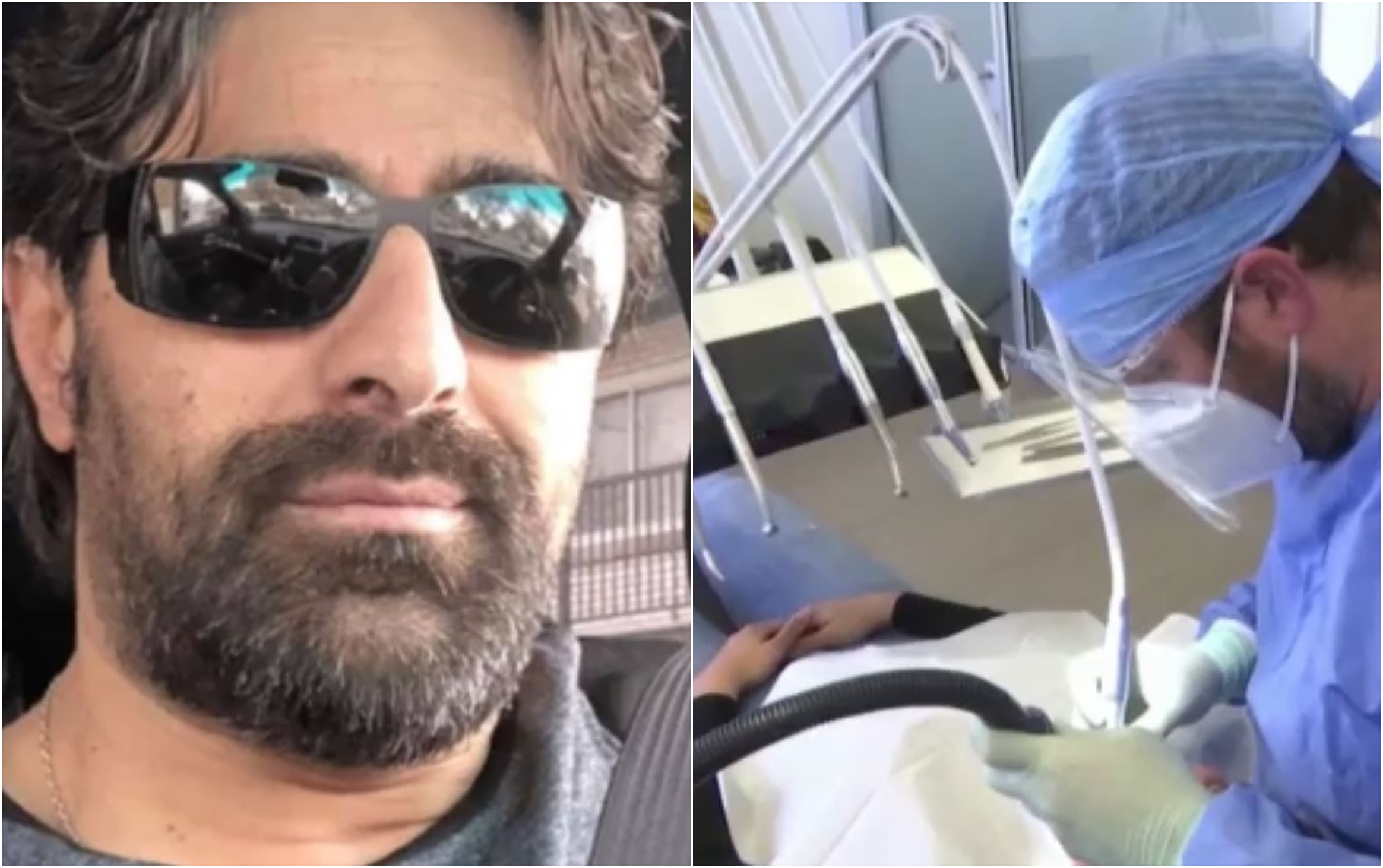
Antonis Panoutsos, a well-known Greek public figure, has now spent more than a month in the intensive care unit of Evangelismos Hospital in Athens. His condition continues to be described as critically stable, meaning that while he has not experienced a dramatic deterioration, he remains in a serious and precarious state of health that requires constant medical supervision and intervention.
The prolonged hospitalization has drawn significant public attention in Greece, with many following updates on his condition closely. Friends, colleagues, and fans have expressed concern and offered messages of support as medical staff continue to work tirelessly to stabilize his health.
Battling West Nile Virus
The cause of Panoutsos's hospitalization has been identified as the West Nile virus, a mosquito-borne illness that, while often mild or asymptomatic in many individuals, can in some cases lead to severe neurological complications and life-threatening conditions. Panoutsos appears to be among those who have experienced a particularly severe form of the infection, necessitating his extended stay in the ICU.
According to available information, he is currently undergoing a strong and intensive course of treatment aimed at helping his body overcome the virus and manage its most serious effects. The medical team at Evangelismos Hospital has been administering a robust therapeutic regimen designed to support his vital functions and combat the progression of the disease.
What Is West Nile Virus?
West Nile virus is transmitted primarily through the bites of infected mosquitoes, particularly of the Culex species. The virus was first identified in Uganda in 1937 and has since spread to various parts of the world, including Europe, where outbreaks have been reported with increasing frequency over recent decades. In Greece, the virus has been responsible for a number of serious cases during summer months, when mosquito activity is at its peak.
- The majority of people infected with West Nile virus show no symptoms at all.
- Approximately 20 percent of those infected may develop a fever, headache, body aches, or a skin rash.
- Less than one percent of infected individuals develop severe neurological illness, such as encephalitis or meningitis.
- Elderly individuals and those with underlying health conditions are at higher risk of developing severe forms of the disease.
There is currently no specific vaccine or antiviral treatment approved for West Nile virus in humans. Medical management focuses on supportive care, which may include hospitalization, intravenous fluids, respiratory support, and other interventions depending on the severity of symptoms.
Concern Grows Among the Public
The news of Panoutsos's extended stay in intensive care has sparked considerable anxiety among those who know him personally and among the broader Greek public. His case has also reignited discussions about the risks posed by mosquito-borne diseases in the country, particularly during the warm summer months when such infections tend to peak.
Health authorities in Greece have periodically issued warnings and recommendations regarding the prevention of West Nile virus infection, urging citizens to take protective measures such as using insect repellent, wearing long-sleeved clothing during dawn and dusk when mosquitoes are most active, and eliminating standing water near homes where mosquitoes may breed.
A Difficult Road Ahead
While the situation remains serious, those close to Panoutsos have not lost hope. The medical team continues to monitor his condition around the clock, adjusting treatment as necessary in response to any changes in his health status. The fact that his condition has remained stable, even if critically so, is seen by some as a cautious indicator that the treatment is helping to prevent further deterioration.
His case underscores the unpredictable and sometimes severe nature of West Nile virus, even in individuals who may have been in otherwise reasonable health. It also highlights the critical role that intensive care units and highly trained medical professionals play in managing complex and life-threatening infectious diseases.
Wider Context: West Nile Virus in Greece
Greece has faced recurring challenges with West Nile virus over the years, with cases reported in several regions during the summer season. Public health authorities have emphasized the importance of mosquito control programs and personal protective measures as key strategies for reducing the risk of infection across the population.
The country's warm Mediterranean climate provides favorable conditions for mosquito populations, and health officials continue to monitor the situation closely each year. Surveillance programs have been put in place to track the spread of the virus in both bird populations, which serve as a reservoir for the disease, and in human cases reported by healthcare providers.
The Greek government and regional health organizations have invested in mosquito abatement programs, including the spraying of insecticides in high-risk areas, as well as public awareness campaigns designed to educate citizens about the risks and preventive steps they can take to protect themselves and their families.
Hopes for Recovery
As Panoutsos continues his fight in the ICU of Evangelismos Hospital, the thoughts of many in Greece remain with him and his loved ones. Medical professionals emphasize that recovery from severe West Nile virus infection is possible, though it may be a long and challenging process, particularly for those who have experienced the most acute symptoms.
The coming days and weeks will be critical in determining the trajectory of his recovery. For now, the medical team remains focused on providing the best possible care, while his family and supporters hold onto hope that he will eventually overcome this serious health challenge and begin the road to rehabilitation.
The case serves as a reminder of the serious public health risks that vector-borne diseases can pose, and the importance of continued vigilance, research, and preventive action in addressing such threats within communities across Greece and beyond.