Fire Breaks Out in High-Risk Conditions in Corinthia
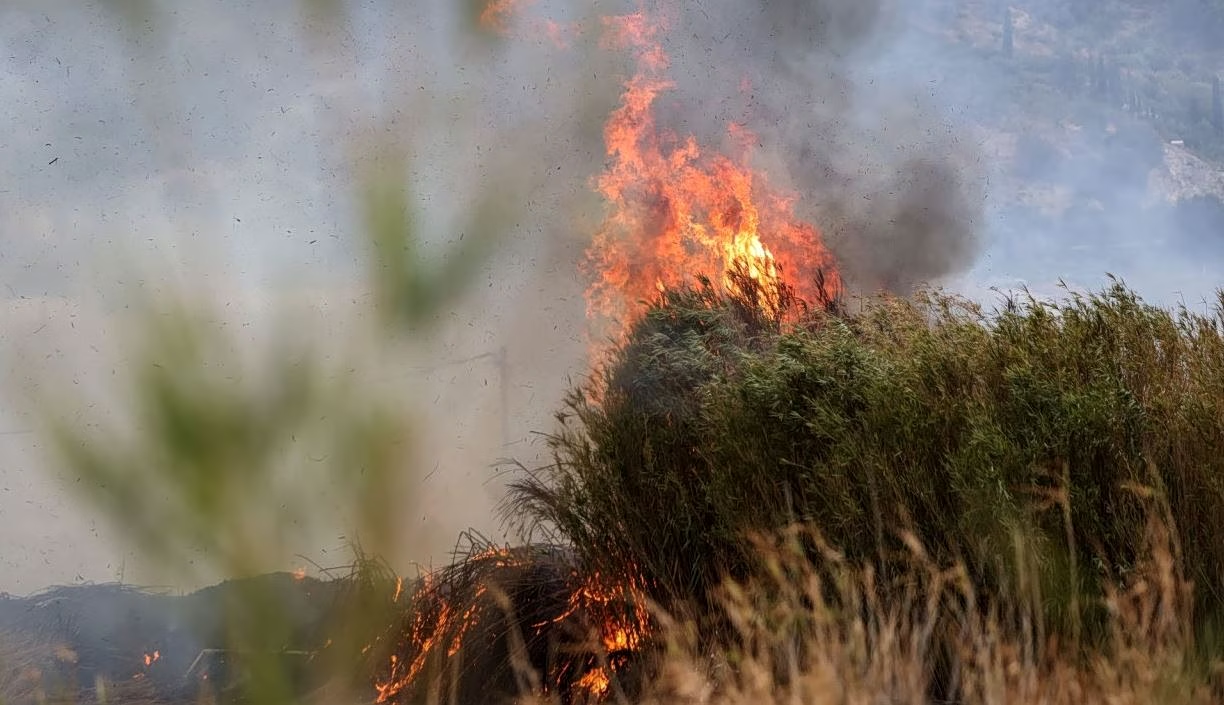
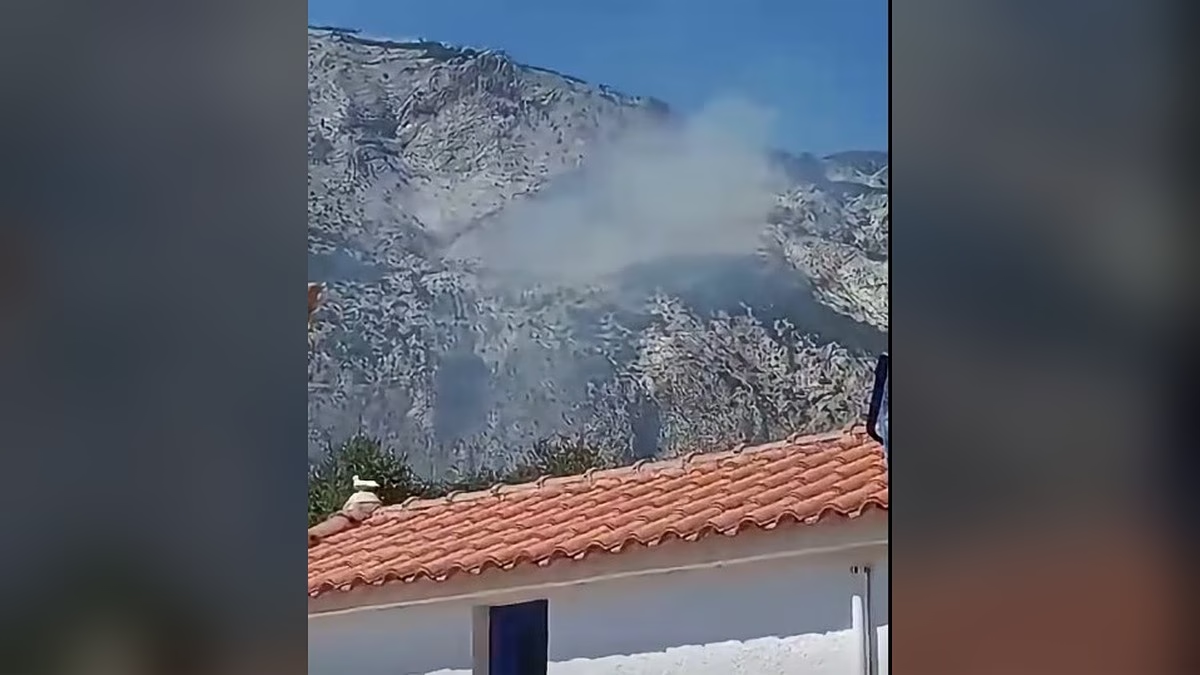
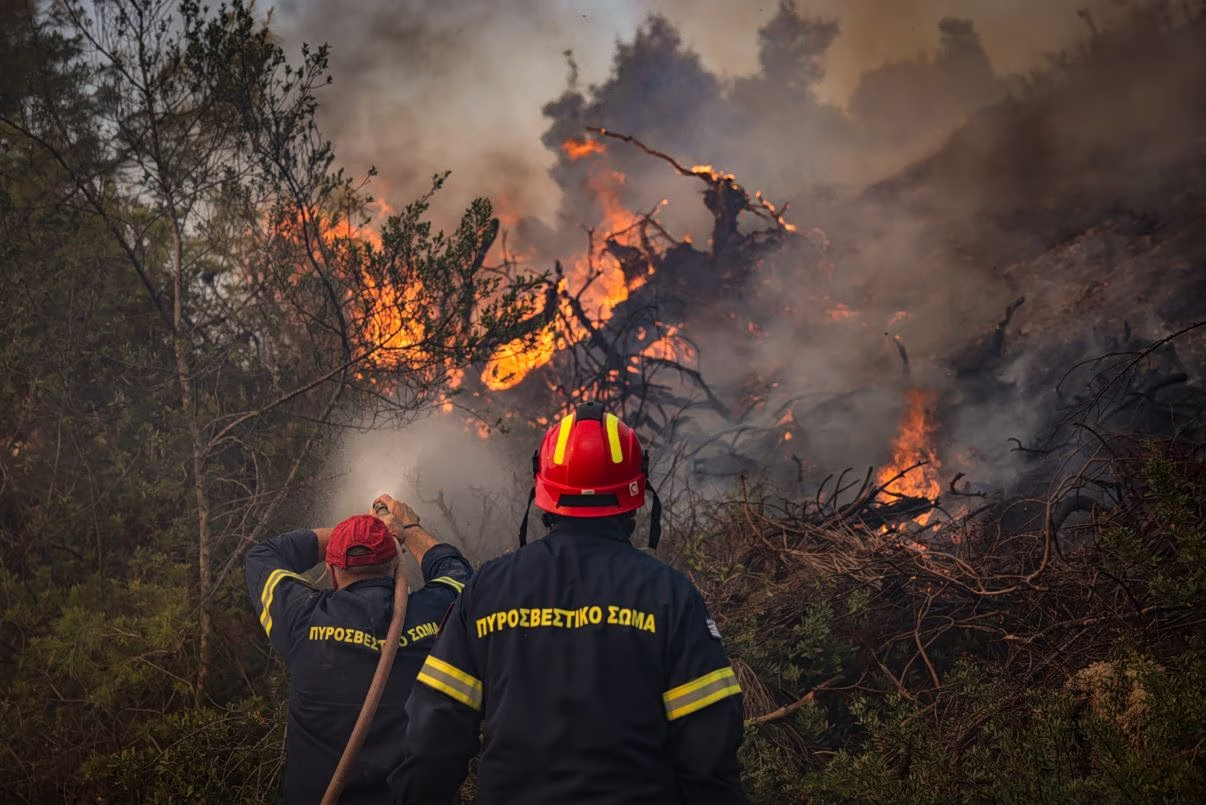
A wildfire ignited in a mixed agricultural and forested area in Agios Vasileios, a locality in the regional unit of Corinthia, Greece, on August 24, 2026. The Fire Service Operations Center received the alert at approximately 2:30 p.m. local time and immediately set emergency response procedures in motion. The fire broke out on a day when the region was already classified under a very high fire danger rating, specifically Category 4 — one of the most severe levels on the national fire risk scale.
The combination of dry vegetation, elevated temperatures, and strong seasonal winds characteristic of late summer in the Greek countryside created conditions that fire authorities consider especially volatile. Category 4 designations are issued when environmental factors align to make the spread of fire both rapid and difficult to contain, and they typically trigger heightened alert protocols across emergency services.
Large-Scale Firefighting Response Deployed
In response to the incident, a substantial firefighting force was mobilized to the scene within a short period of the initial report. A total of 28 firefighters were dispatched to Agios Vasileios, supported by eight firefighting vehicles. Among the responding units was a foot patrol team from the 9th EMODE — a specialized mobile firefighting unit of the Hellenic Fire Service trained to operate in difficult terrain where wheeled vehicles have limited access.
The deployment of ground crews alongside vehicle-based units reflects the operational challenges posed by rural and semi-forested fire environments, where accessibility can significantly affect the speed and effectiveness of suppression efforts. Foot teams are particularly critical in containing fires along slopes, dense vegetation, or areas where ground is uneven.
Municipal Resources Called In to Support Operations
Recognizing the scale of the emergency and the demands it placed on firefighting resources, the Municipality of Corinth was also activated to provide assistance. Municipal water tankers were mobilized to supplement the water supply available to firefighting crews on the ground. This type of inter-agency cooperation between the national fire service and local authorities is a common and necessary feature of wildfire response operations in Greece, particularly during the peak summer fire season.
The involvement of municipal infrastructure highlights the broader coordination required when fires break out in areas that may be distant from large water sources or where the volume of water needed exceeds what dedicated fire service vehicles can readily carry. Local governments often maintain water trucks as part of civil protection preparedness measures specifically for scenarios such as this.
Arson Investigation Unit Activated
Alongside the operational response, authorities initiated a separate investigative process to determine the origin of the fire. The Corinth Arson Crimes Investigation Unit was called to the scene to look into the possible causes of the blaze. This unit specializes in examining fire scenes for evidence that may indicate whether a fire started accidentally, through negligence, or as the result of deliberate action.
The activation of an arson investigation team does not necessarily imply that foul play is suspected from the outset; rather, it is standard procedure in Greece for fires of this nature to undergo formal cause-determination analysis. Arson remains a concern during fire season, and Greek law enforcement agencies are routinely deployed in parallel with firefighting operations to preserve evidence and conduct preliminary assessments.
Context: Greece's Ongoing Wildfire Challenges
Wildfires are a recurring and serious problem across Greece during the summer months, when prolonged periods of heat and drought combine with strong winds to create highly flammable conditions across large areas of the country. The Peloponnese region, of which Corinthia is a part, has historically experienced significant fire activity, and communities throughout the area remain on high alert during the fire season, which typically runs from late June through September.
Authorities at the national level issue daily fire danger maps that categorize risk across regions, and these classifications inform decisions about personnel deployment, public movement restrictions in forest areas, and the readiness posture of emergency services. On days when large portions of the country are rated at Category 4 or the maximum Category 5, fire service resources can be stretched considerably as multiple incidents may occur simultaneously.
Local residents and visitors are generally advised to exercise caution in forested and rural areas during high-risk periods, and open burning of any kind is typically prohibited. Emergency services continue to stress the importance of early reporting of smoke or fire activity, as rapid response in the first minutes of a fire can be decisive in determining whether it is quickly controlled or develops into a larger-scale incident affecting homes, farmland, and wildlife habitats.
Situation Monitoring Continues
As of the time of reporting, firefighting operations were ongoing at the Agios Vasileios site. Authorities had not issued any evacuation orders or reports of injuries in connection with the fire. The full extent of the area affected by the blaze, as well as the outcome of both the suppression effort and the arson investigation, were expected to be clarified in subsequent official updates from the Hellenic Fire Service and regional civil protection agencies.